

Italian Fontina Fondue from Valle d’Aosta | Fonduta Valdostana
Updated: 7 days ago

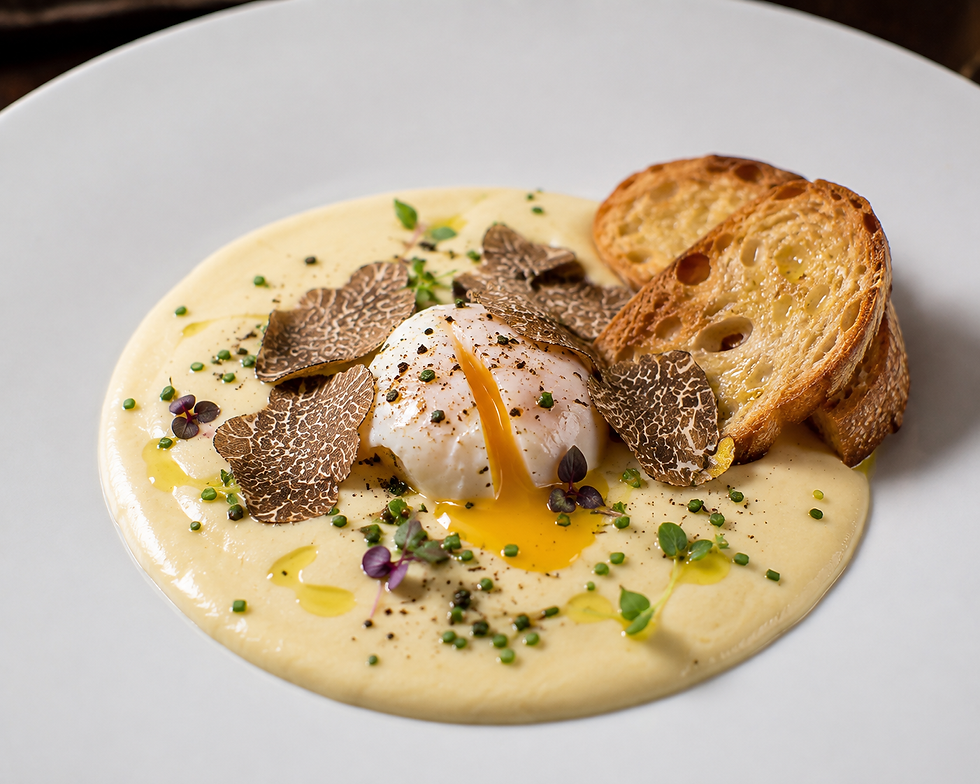
Fonduta Valdostana belongs to the cooking tradition of Valle d’Aosta. the classic Alpine fondue centered on Fontina DOP, milk and egg yolks. The dish is built around Fontina fondue, and its character comes from restraint rather than unnecessary complication. The ingredients are familiar, but the result depends on proportion, timing and respect for the texture of each component.
In its best form, this is food with a clear regional identity. The preparation should taste of its principal ingredients first, with supporting aromatics kept in balance. That is especially important in traditional Italian cooking, where a short ingredient list leaves no place for careless technique. Good raw materials, measured seasoning and controlled heat make the difference between a heavy version and one that tastes precise and natural.
For a professional result, prepare the mise en place before cooking and keep the final service simple. The finished dish should look generous and recognizably Italian rather than overworked. Serve it at the temperature that best preserves its texture, and avoid decorative elements that do not belong to the flavor of the recipe.
Ingredients
Serves 4
14 oz Fontina DOP, rind removed and diced (400 g)
1 cup whole milk (240 ml)
4 large egg yolks
3 tbsp unsalted butter (45 g)
Freshly ground white or black pepper
Rustic bread, toasted, for serving
Preparation
Place the diced Fontina in a bowl, cover with milk and refrigerate for 2 hours.
Transfer the cheese and most of the milk to a heavy saucepan or double boiler.
Add the butter and heat very gently, stirring continuously until the cheese is nearly melted.
Whisk the egg yolks separately.
Temper the yolks with a little warm cheese mixture, then return everything to the pan.
Cook over very low heat, stirring constantly, until the fondue is smooth, glossy and thick enough to coat a spoon.
Do not boil.
Season lightly with pepper and serve immediately with toasted bread or polenta.
Professional Technique
Fontina must melt gradually. High heat causes the proteins to tighten and the fat to separate; a double boiler gives the most forgiving control.
Taste and adjust seasoning in stages rather than at the end. Keep the cooking vessel appropriately sized, work in batches when browning is required, and allow the main ingredient to remain identifiable. These small controls produce cleaner flavor, better texture and a more restaurant level result without changing the identity of the dish.
Chef Tips
Prepare every ingredient before you start cooking so the timing remains controlled.
Use moderate seasoning at the beginning and adjust only after reductions, cheese, cured meat or shellfish have contributed their natural salt.
Choose the best version of the principal ingredient you can find; this recipe has nowhere to hide poor quality.
Serve on warm plates for hot dishes and cool plates for chilled preparations so the texture remains correct.
Keep the garnish restrained and connected to the actual flavor of the recipe.
Common Mistakes
Using heat that is too aggressive and losing control of texture.
Crowding the pan when the recipe requires browning.
Adding too much salt before concentrated ingredients have finished cooking.
Overcomplicating the plate with ingredients that are not part of the regional character.
Holding the finished dish too long before serving.
Technical Deepening and Service Control
For Fonduta Valdostana (Italian Fontina Fondue from Valle d’Aosta), the central professional checkpoint is Fontina fondue where low heat and correct dairy handling prevent the cheese from splitting and keep the final texture glossy, elastic and spoonable. This is not a matter of adding more ingredients; it is about controlling temperature, moisture and timing so the traditional character stays clear. Work with measured portions, keep the mise en place complete before cooking, and judge doneness by texture and aroma rather than by a timer alone. Small changes in heat or hydration can alter the final result dramatically, especially in regional recipes built from a short ingredient list.
Ingredient temperature matters from the beginning. Cold ingredients slow cooking and can tighten doughs or sauces, while ingredients that are too warm may release fat before structure has formed. Bring components to the temperature appropriate for the technique, season in stages, and reserve the final adjustment until concentrated ingredients such as cured meat, cheese, shellfish or reduced wine have contributed their own salt and intensity.
Texture should be evaluated at several points rather than only at the end. The cook should know what the mixture feels like before heat, how it changes during cooking, and what resistance indicates that it is ready. If the preparation contains starch, allow enough time for full hydration; if it contains lean meat or seafood, stop cooking as soon as tenderness is achieved. Resting is part of the cooking process because internal moisture continues to redistribute after the heat is removed.
For consistent production, record the weight of each portion, the size of the cooking vessel and the approximate final yield. Traditional cooking is often described visually, but professional repetition depends on measurable controls. A wider pan evaporates faster, a deeper pot retains more heat, and a larger batch changes recovery time after ingredients are added. Those variables should be adjusted deliberately instead of compensated for later with extra liquid, fat or seasoning.
Service should remain restrained. Warm plates for hot preparations, cool plates for chilled foods, and avoid decorative garnishes that do not belong to the flavor of the dish. The principal ingredient must be immediately recognizable. Rustic food still benefits from precise portioning, clean plate edges and a deliberate final finish. A drizzle, grating or spoonful added at the last moment should have a culinary purpose rather than exist only for appearance.
The most common failure is trying to correct weak technique with richness. Too much cheese, butter, oil, wine or sugar can hide the regional identity instead of improving it. If the food tastes flat, check salt, acidity and temperature first. If it feels heavy, reduce finishing fat and increase freshness rather than adding another dominant ingredient. The best version should taste complete but not crowded.
When preparing the dish in advance, separate components that lose texture quickly from those that improve with resting. Crisp elements should stay dry, cooked starches should be protected from dehydration, and sauces should be cooled rapidly and reheated gently. Avoid repeated heating cycles. The goal is to reproduce the texture of the original service, not simply to make leftovers hot again.
A final tasting should include every element that will reach the diner in one bite. Evaluate aroma first, then salt, acidity, richness and aftertaste. The finish should remain clean enough that the main ingredient is still identifiable several seconds later. This final check is particularly important in mountain and coastal Italian cooking, where strong cheeses, cured meats, shellfish or preserved ingredients can easily dominate if proportion is not controlled.
Final Professional Control for Service: before plating Fonduta Valdostana (Italian Fontina Fondue from Valle d’Aosta), taste and evaluate the complete preparation at serving temperature. Salt perception, aroma and texture change as food cools, so the last adjustment should happen immediately before service. The goal is a clean, recognizable main flavor rather than maximum intensity. If the dish contains cheese, cured meat, seafood or reduced wine, remember that these ingredients continue to concentrate the palate even after cooking has stopped.
Batch size must also be considered. A recipe that works perfectly for four portions can behave differently when doubled because evaporation, pan recovery and cooking time change. Use wider vessels rather than simply deeper ones when scaling, keep ingredients in manageable batches, and preserve the same ratio of exposed surface area to food. This is especially important for browning, frying, simmering and emulsifying, where overcrowding quickly destroys texture.
For restaurant-level consistency, identify one visual cue and one tactile cue for doneness. Color alone is not enough, and time alone is not enough. Combine surface appearance with resistance, moisture or internal structure. Once the correct point is reached, remove the food from aggressive heat immediately and allow the required rest. Carryover cooking can be useful, but uncontrolled carryover is one of the main reasons traditional dishes become dry, dense or greasy.
Serve with restraint and regional logic. The plate should communicate what the dish is before the diner reads a description. Keep garnish connected to ingredients already present in the recipe, avoid unnecessary sauces, and preserve contrast between soft, crisp, creamy or juicy elements. A professional finish comes from control and clarity, not from adding more components.
Wine Pairing
Valle d’Aosta Petite Arvine balances the dish with freshness and enough structure to support its principal flavors without covering them.
Valle d’Aosta Donnas DOC adds acidity and aromatic lift, keeping the finish precise when the dish carries fat, cheese, cured meat or concentrated savory notes.
Valle d’Aosta Fumin offers a complementary regional profile and a clean finish that respects the texture and seasoning of the recipe.
Storage & Reheating
Store leftovers in a clean airtight container in the refrigerator as soon as they have cooled. Most cooked versions of this dish are best within 2 to 3 days; fried foods, delicate seafood and crisp pastries are best eaten the day they are prepared. If the recipe contains cheese or dairy, reheat gently to avoid separation.
For reheating, use low to moderate heat and restore moisture only when the original preparation requires it. Avoid repeated reheating. Crisp preparations should be refreshed in a dry oven rather than microwaved, while soups, braises and sauces should be brought back slowly over low heat.
Nutrition per Serving
Calories 540; Protein 28 g; Carbohydrates 6 g; Fat 45 g; Saturated Fat 27 g; Fiber 0 g; Sugars 4 g; Sodium 920 mg; Cholesterol 270 mg.




Comments