Vegan Dark Chocolate Sauce with Cocoa and Oat Cream, Reinterpreted | Salsa al Cioccolato Fondente Vegana Rivisitata

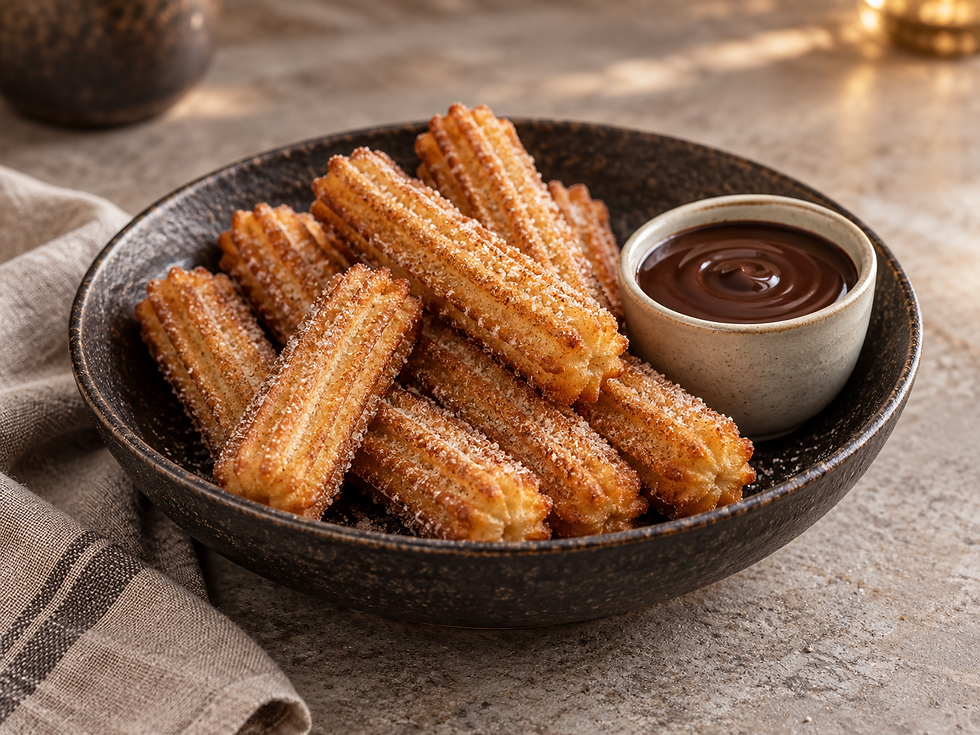
This vegan salsa al cioccolato fondente is the sauce of the pastry kitchen: deep, glossy and intensely chocolate, fluid enough to pour in a fine ribbon and rich enough to coat a spoon. It is built in two layers of flavor. A syrup of water, sugar and cocoa powder, boiled to bloom the cocoa, gives the base its body and dark color; a fine 70 percent dark chocolate, emulsified into the syrup with oat cream, gives aroma, gloss and length. The classic pastry sauce is made with heavy cream and often butter; this vegan version is a reinterpretation, and no dairy is missed. Serve it warm over vegan gelato, poached pears, churros or a slice of plain olive oil cake, or cold as a dip for fresh strawberries.
Yield: about 1 3/4 cups (420 ml), 14 servings of 2 tbsp. Prep: 10 minutes. Cook: 10 minutes. Rest: 15 minutes. Course: dessert sauce. Origin: European pastry tradition, with a long Italian history of chocolate in Turin and Modica.
The Story
Chocolate reached Europe from Mesoamerica through Spain in the sixteenth century, first as a drink of ground cacao beans, water, sugar and spices. Italy was among the first countries to adopt it. The kingdoms of southern Italy and Sicily were under Spanish rule at the time, and the cities of the north traded intensely with Spain and with the rest of Europe. Within a century chocolate had become a fashionable drink in the courts and noble houses of the peninsula, and Italian confectioners began to work it with great skill.
Turin became one of the great chocolate cities of Europe. Under the House of Savoy, chocolate makers multiplied there in the eighteenth century, and the city is still famous for its cafés and its specialties: the bicerin, a layered drink of coffee, chocolate and cream served in a small glass, and gianduja, the smooth paste of chocolate and toasted Piedmont hazelnuts. At the other end of Italy, in Modica in southeastern Sicily, chocolate is still worked by an old cold method that keeps the sugar crystals whole and gives a grainy, aromatic bar; the Cioccolato di Modica is protected as an IGP. Perugia, in Umbria, became a third great Italian chocolate city in the twentieth century.
Chocolate sauce as it is used today belongs to modern European pastry, which turned chocolate from a drink into a material for creams, glazes, mousses and sauces. In Italian pastry shops and restaurants, a warm salsa al cioccolato goes over profiteroles, gelato, semifreddo and pear desserts, and a classic Italian combination, pere e cioccolato, pairs poached pears with a dark chocolate sauce. The pastry chef's version is never just melted chocolate: it is a balanced emulsion of chocolate, water or cream and sugar, designed to stay fluid and glossy at serving temperature.
Many chocolate sauces are made with dairy cream, butter and milk chocolate, which makes them unsuitable for a vegan table. This recipe is a vegan reinterpretation built on a method that has always been dairy-free in the professional kitchen, the water-based chocolate sauce, and enriches it with a little oat cream for roundness. Water carries the flavor of chocolate more cleanly than dairy, which tends to soften and mute it. The result tastes more of chocolate than many cream-based sauces. The only rule is to check the label of the chocolate: a true dark chocolate contains cocoa mass, cocoa butter, sugar and sometimes vanilla or lecithin, and no milk powder.
Ingredients
Quality of chocolate decides everything here. Choose a dark chocolate of 68 to 72 percent cocoa, sold in bars or pastry buttons, and read the ingredient list: it must contain no milk solids, milk fat or whey. A balanced chocolate, not too acidic or smoky, gives the most versatile sauce. Use unsweetened Dutch-process cocoa powder, which is less acidic and darker than natural cocoa and dissolves more smoothly. The oat cream should be an unsweetened cooking cream with about 15 percent fat. A small amount of glucose syrup keeps the sauce glossy and prevents it from turning dull as it cools.
For the cocoa syrup
Water, 2/3 cup (160 ml)
Granulated sugar, 1/3 cup (65 g)
Glucose syrup or light corn syrup, 2 tbsp (40 g)
Unsweetened Dutch-process cocoa powder, sifted, 1/4 cup (25 g)
Fine sea salt, 1 pinch (0.5 g)
For the chocolate emulsion
Dark chocolate, 68 to 72 percent cocoa, dairy-free, finely chopped, 5 oz (140 g)
Unsweetened oat cooking cream, 1/3 cup (80 ml)
Pure vanilla extract, 1/2 tsp (2.5 ml)
Optional flavorings
Freshly brewed espresso, 1 tbsp (15 ml), added with the vanilla
Finely grated orange zest, 1/2 tsp (1 g), from an organic orange
Ground cinnamon, 1 pinch, for a Modica-style note
Preparation
Step 1

Chop the chocolate. Chop the chocolate finely and evenly with a serrated knife on a dry board, into pieces no larger than a pea, and place it in a tall heatproof container, ideally a narrow jug that fits an immersion blender. Even, small pieces melt at the same speed when the hot syrup reaches them, so none are left solid while others overheat. The container and the board must be perfectly dry: a few drops of water on chocolate before the liquid is added can make it seize into a thick, grainy paste.
Step 2

Bloom the cocoa. In a small heavy saucepan, whisk the sugar, sifted cocoa powder and salt together, so the sugar separates the cocoa particles and prevents lumps. Add the water and the glucose syrup and whisk until smooth. Bring the mixture to a boil over medium heat, whisking constantly, then boil gently for 1 minute. Boiling the cocoa in water, a process called blooming, hydrates its starch and fibers and releases aromatic compounds locked in the powder, so the syrup tastes deeper and smoother than cocoa simply stirred into a cold liquid.
Step 3

Add the oat cream. Take the syrup off the heat and whisk in the oat cream. Return the pan to low heat and bring it back just to a simmer, about 190°F (88°C), whisking, then turn off the heat. The liquid must be hot enough to melt the chocolate completely, but not boiling when it meets it: liquid above 200°F (93°C) can scorch the delicate aromas of fine chocolate and make the cocoa butter separate.
Step 4

Pour over the chocolate. Pour the hot liquid over the chopped chocolate in one go, making sure all the pieces are covered. Do not stir. Leave it for 1 minute, so the heat penetrates the chocolate evenly and the pieces soften from the outside in. Stirring immediately would cool the liquid before the chocolate has melted and leave small unmelted grains that are hard to remove later.
Step 5

Emulsify the sauce. Insert an immersion blender at the bottom of the container, tilted slightly, and blend without lifting it above the surface, so no air enters the sauce. Within 30 seconds the mixture turns from dull and streaky to smooth, dark and shiny. If you do not have an immersion blender, stir with a spatula in small circles starting from the center and gradually widen the circles until the whole mixture is glossy. This is an emulsion: the cocoa butter of the chocolate is dispersed as tiny droplets in the water of the syrup, held there by the lecithin and solids of the chocolate and the cocoa.
Step 6

Flavor and strain. Add the vanilla extract and any optional flavoring, the espresso, the orange zest or the pinch of cinnamon, and blend for 5 seconds more. Pass the sauce through a fine strainer into a clean jar or a small saucepan, pressing it gently with a spatula. Straining removes any unmelted fragment of chocolate and any small air bubbles and gives the perfectly smooth, mirror-like texture of a professional sauce.
Step 7

Rest and adjust the consistency. Leave the sauce for 15 minutes at room temperature, stirring once, while it cools to about 105°F (40°C), the ideal temperature for serving. Test it on the back of a spoon: it should coat it evenly and run off in a slow, continuous ribbon. If it is too thick, stir in hot water a teaspoon at a time; if it is too thin, warm it gently and add a little more finely chopped chocolate, blending until smooth. The sauce thickens considerably as it cools, so always judge it at the temperature at which it will be served.
Plating
Serve the sauce warm, at 95 to 105°F (35 to 40°C): fluid, glossy and warm enough to release its aroma, but not so hot that it melts gelato on contact or makes a delicate dessert soggy. Keep it in a small jug with a fine spout over a warm water bath during service. On a plate, draw a single confident line or a pool slightly off center, then place the dessert so that part of the sauce stays visible and shiny.
Count about 2 tbsp (30 ml) per serving. Over gelato, pour the sauce at the table so the guest sees it flow down the scoop. With poached pears, coat only the upper half of the fruit, leaving its color and shape visible. A few toasted, chopped hazelnuts or a pinch of flaky salt add contrast. The guest should taste the dark chocolate first, then the roasted depth of the cocoa and a long, clean finish.
Professional Technique
The key ratio is the balance between chocolate and liquid. Here 5 oz (140 g) of 70 percent chocolate and 1/4 cup (25 g) of cocoa meet about 1 cup (240 ml) of liquid, counting the water and the oat cream. This ratio gives a sauce that pours at 105°F (40°C) and thickens to a spoonable cream in the refrigerator. More chocolate makes a thicker sauce, close to a ganache; more water makes it thinner and lighter in taste.
The hidden variable is the cocoa butter content of the chocolate. Two bars with the same percentage of cocoa can contain different proportions of cocoa butter and cocoa solids, and they produce sauces of different thickness. A chocolate rich in cocoa butter gives a fluid, glossy sauce; one rich in cocoa solids gives a thicker, more matte result. The consistency test at the end of the recipe exists precisely to correct this difference.
The doneness test is the gloss. A correctly emulsified sauce is uniformly shiny and smooth, with no streaks or oily patches. If the surface looks dull, grainy or slightly oily, the emulsion is incomplete or has broken; a few seconds of blending with a teaspoon of hot water almost always restores it.
Emulsion and Temperature Control
Chocolate is a suspension of solid particles, cocoa solids and sugar, in cocoa butter, a fat. When it meets water, two things can happen. With enough liquid, added all at once and hot, the fat disperses in the water and forms a smooth emulsion, the basis of every chocolate sauce and ganache. With too little liquid, especially a few drops, the sugar and cocoa particles absorb the water and stick together, and the chocolate seizes into a stiff, grainy mass. This is why the liquid is poured over the chocolate in one single addition.
Temperature protects both flavor and texture. Above about 120°F (49°C) for a long time, dark chocolate begins to lose its finest aromas, and at much higher temperatures it can scorch and taste burnt. The liquid at 190°F (88°C) cools as soon as it touches the chocolate, and the mixture settles around 115 to 120°F (46 to 49°C), hot enough to melt everything without damage. For the same reason, the sauce is always reheated gently in a water bath, never over direct heat.
Glucose syrup controls the gloss and the texture over time. Ordinary sugar tends to crystallize as the sauce cools and rests, which makes the surface dull and the texture slightly sandy after a few days. Glucose interferes with crystallization and keeps the sauce smooth and shiny from the first hour to the last spoonful.
Professional Mise en Place
The sauce takes less than 30 minutes and keeps well, so it is always prepared ahead and simply rewarmed for service.
Equipment and tools
Serrated knife and dry cutting board
Tall, narrow heatproof jug and immersion blender
Small heavy saucepan, whisk, flexible spatula
Fine strainer, instant-read thermometer
Clean glass jars, small pouring jug, water bath for service
Prepared ahead
Chocolate chopped and weighed, up to 1 day ahead, in a dry covered container
Sugar, cocoa and salt whisked together, up to 1 week ahead
Finished sauce, up to 10 days ahead, refrigerated in a closed jar
Service setup
Sauce rewarmed in a water bath to 95 to 105°F (35 to 40°C)
Pouring jug, small cup of hot water to adjust the consistency
Toasted hazelnuts and flaky salt for garnish
Chef Tips
Taste the chocolate before you buy a large amount. Melt a small piece on your tongue: a good dark chocolate for sauce melts smoothly, without waxiness, and its flavor lasts several seconds. Very acidic or very smoky chocolates dominate a sauce; balanced ones with notes of dried fruit and roasted nuts are the most versatile.
For a richer, Turin-style variation, replace 1 oz (30 g) of the dark chocolate with 1 oz (30 g) of pure hazelnut paste, made only from roasted hazelnuts. Blend it in with the chocolate. The sauce becomes softer, nuttier and reminiscent of gianduja, perfect with pears.
For a Sicilian note inspired by Modica, add the pinch of cinnamon and the orange zest from the optional list. Keep both subtle: the spice and the citrus should frame the chocolate, never cover it.
Make a chocolate glaze from the same recipe. Reduce the water to 1/2 cup (120 ml) and use the sauce at 90°F (32°C) to coat cakes and cookies. It sets to a soft, shiny layer that cuts cleanly once cooled.
Common Mistakes
Using chocolate with milk solids. Many dark chocolates contain milk fat or milk powder, which makes the sauce unsuitable for a vegan table. Read the ingredient list and choose a chocolate with cocoa, sugar and nothing of animal origin.
Chopping unevenly. Large pieces stay solid while small ones melt and overheat. Chop the chocolate finely and evenly before adding the liquid.
Adding a little liquid at a time. Small amounts of water make chocolate seize into a grainy paste. Pour all the hot liquid over the chocolate at once.
Stirring immediately. Stirring before the chocolate has softened cools the mixture and leaves unmelted grains. Wait 1 minute, then emulsify.
Whisking air into the sauce. A whisk or a blender lifted above the surface fills the sauce with bubbles that dull its gloss. Keep the blender head submerged.
Boiling the finished sauce. Direct heat scorches chocolate and breaks the emulsion. Reheat gently in a water bath, stirring.
Judging the consistency hot. A sauce that looks perfect at 140°F (60°C) becomes too thick at serving temperature. Test it at 105°F (40°C).
Wine Pairing
Recioto della Valpolicella DOCG: The historic sweet red of the hills north of Verona, made from Corvina and other local grapes dried for months after harvest, with aromas of cherry jam, plum and spice. Its fruit and soft tannins embrace the dark chocolate and the cocoa. Serve it at about 59°F (15°C).
Montefalco Sagrantino Passito DOCG: A sweet red from Umbria, made from dried Sagrantino grapes, with notes of blackberry, cocoa and spice and a firm tannic structure. Its tannins meet the bitterness of the chocolate and keep the pairing balanced rather than cloying. Serve it at about 59°F (15°C).
Brachetto d'Acqui DOCG: A sweet, lightly sparkling red from Piedmont with aromas of rose and wild strawberry. Its bubbles and low alcohol refresh the palate between spoonfuls of a rich sauce, especially with fresh strawberries. Serve it at about 46°F (8°C).
Marsala DOC: The fortified wine of western Sicily, in a sweet Superiore style, with notes of dried figs, dates, walnut and toffee. Its oxidative character matches the roasted depth of the cocoa and echoes the Sicilian chocolate tradition. Serve it at about 57°F (14°C).
Storage & Reheating
Refrigerator: keep the chocolate sauce in a clean, closed glass jar for up to 10 days. It sets to a thick, spoonable cream when cold, which can be used as it is to fill cookies or to top a tart. Always use a clean spoon. Freezer: the sauce freezes well for up to 3 months in a small airtight container; thaw it overnight in the refrigerator and blend it briefly after reheating to restore the emulsion.
Reheat in a water bath, with the open jar in a pan of hot, not boiling, water over low heat, stirring gently until fluid, about 5 to 8 minutes. In the microwave, heat at 50 percent power in 15-second bursts, stirring well between each, until the sauce reaches 95 to 105°F (35 to 40°C). If it looks thick or dull after reheating, stir in a teaspoon of hot water.
Nutrition
Per serving, based on 14 servings of 2 tbsp (30 ml):
Calories: 100 kcal
Total Fat: 5 g
Saturated Fat: 3 g
Trans Fat: 0 g
Unsaturated Fat: 2 g
Cholesterol: 0 mg
Sodium: 20 mg
Total Carbohydrates: 13 g
Fiber: 2 g
Total Sugars: 10 g
Added Sugars: 9 g
Protein: 1 g
Principal micronutrients: iron, magnesium, copper, manganese, phosphorus
These figures are estimates, calculated on the quantities listed and rounded to the nearest whole number, without the optional flavorings. They vary with the cocoa percentage and the brand of chocolate and oat cream.


Comments