
Italian Hunter Style Chicken with Tomato, Rosemary and Olives | Pollo alla Cacciatora
Updated: 3 days ago
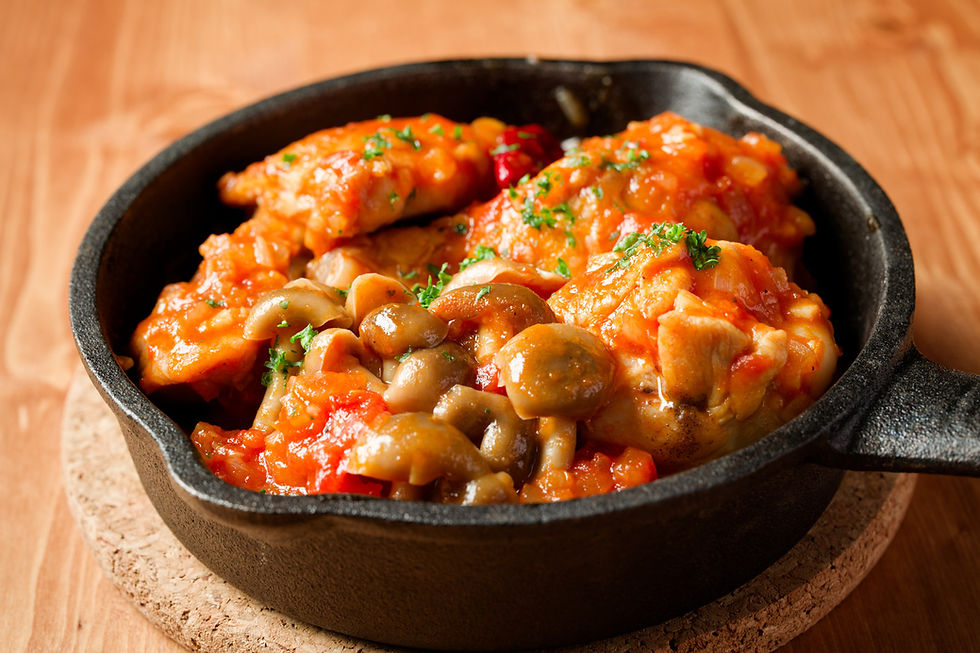
Italian Hunter-Style Chicken with Tomato, Rosemary and Olives — Pollo alla Cacciatora is built around hunter-style chicken braised with tomato, white wine, rosemary, and olives, supported by the measured aromatics, cooking fat, seasoning, and finishing ingredients listed in the formula. The recipe succeeds when those elements remain connected, producing tender chicken with crisp-edged skin in a concentrated rustic sauce. It preserves the original verified quantities and organizes them into a workflow, with US measures first and metric equivalents when supplied.
The critical instruction is to brown chicken skin deeply, reduce wine before tomato, and braise to 165°F (74°C). It governs browning, moisture, doneness, and the service window. Read every stage before beginning, prepare the listed tools, and keep rosemary, olives, parsley, and reduced tomato juices ready before the principal component reaches its endpoint. Serve as soon as the specified rest, cooling, or finishing stage is complete.
The Story
This complete recipe rebuilds hunter-style chicken braised with tomato, white wine, rosemary, and olives with explicit quantities, controlled sequencing, and professional service standards.
The dish's Italian name is more than a label: it identifies the ingredient relationship and the cooking logic that should remain recognizable on the plate. Hunter-style chicken braised with tomato, white wine, rosemary, and olives provides the central flavor, while the measured aromatics, cooking fat, seasoning, and finishing ingredients listed in the formula create depth, contrast, or structure. The ingredient list is therefore intentionally functional. Removing the main flavor under excessive sauce or garnish would weaken the recipe's identity rather than modernize it.
Italian cooking often achieves complexity through sequence instead of ingredient count. Browning, infusion, reduction, resting, and correct cutting change flavor and texture without adding components. That principle matters here because the goal is tender chicken with crisp-edged skin in a concentrated rustic sauce. The professional method defines repeatable checkpoints while respecting the original formula.
Rosemary, olives, parsley, and reduced tomato juices should complete the plate without concealing the work established earlier. Correct cooking liquid, crust, crumb, set, or interior communicates the recipe's character clearly, naturally, professionally, and without any unnecessary decorative excess in the finished service presentation itself.
Ingredients
Main Components
8 bone-in chicken thighs (1.6 kg)
3 cups crushed tomatoes (710 ml)
1 cup white wine (240 ml)
1 cup chicken stock (240 ml)
Additional Ingredients
3/4 cup olives (120 g)
1 onion, diced (150 g)
3 garlic cloves (15 g)
3 tbsp olive oil (45 ml)
2 rosemary sprigs
Optional Components
No optional component is specified in the verified original formula.
Preparation: Base Components
Dry and season chicken and brown skin side deeply in olive oil.
Remove chicken, cook onion and garlic, add wine, and reduce by two-thirds.
Before heat begins, arrange hunter-style chicken braised with tomato, white wine, rosemary, and olives separately from the measured aromatics, cooking fat, seasoning, and finishing ingredients listed in the formula. This prevents cross-contact between raw and ready-to-use components and makes every addition deliberate. The first visual checkpoint is preparation quality: surfaces that must brown should be dry, aromatics should be evenly cut, and measured liquids should be within reach so the pan never waits at a critical temperature.
Season in a uniform layer and choose the vessel before cooking begins. Give every component enough surface area, prepare a clean landing tray, and confirm that any resting, proofing, chilling, or infusion time can be completed without interruption. These controls protect both flavor and the final physical structure.
Preparation: Assembly
Add tomatoes and stock and simmer until the raw tomato aroma disappears.
Return chicken skin side up with rosemary and braise uncovered.
The order of combination protects the dish. Follow the verified quantities and let each stage reach its visual cue before adding the next component. For hunter-style chicken braised with tomato, white wine, rosemary, and olives, follow the verified browning, liquid, and doneness sequence. Scrape useful browned residue into the cooking liquid, but never compensate for weak browning by excessive reduction or seasoning.
Keep the heat stable as the components come together. Add measured liquid gradually where the original sequence requires it, distribute solid ingredients evenly, and avoid aggressive stirring that would break fibers, coatings, fruit, vegetables, or a developing set. The mixture should remain recognizable at every stage.
Pause before the final combination and check distribution, pan temperature, and liquid level. Correct those variables now; later cooking cannot fully repair uneven portions or a diluted base.
Preparation: Finishing
Cook to 165°F (74°C), adding olives during the final 15 minutes.
Rest 5 minutes and serve with parsley and reduced sauce.
Judge completion by texture as well as elapsed time. The target is tender chicken with crisp-edged skin in a concentrated rustic sauce. Remove spent woody aromatics when they have delivered their flavor, correct salt only after reduction, and keep the final heating interval short enough to preserve the principal ingredient. Finish with rosemary, olives, parsley, and reduced tomato juices, then move directly into the stated rest or service sequence.
Use the final minute to check the center and the surrounding sauce, crust, crumb, or set separately. Carryover heat continues working after the vessel leaves the stove or oven, so stop at the verified endpoint rather than extending the cooking merely for darker color. Protect the clean flavor already developed.
Transfer with the correct utensil and keep the finished surface intact. Do not leave the completed food over residual burner heat while preparing the plates.
Final Plating and Presentation
Divide among warm plates, finishing with fresh herbs and a drizzle of good olive oil.
Select the serving vessel before the final cooking stage. The plate must support hunter-style chicken braised with tomato, white wine, rosemary, and olives without forcing the sauce, garnish, or accompaniment underneath it. Portion with a clean spoon, spatula, or slicing knife appropriate to the texture, and maintain consistent weight from the first serving to the last.
Use warm plates for savory dishes and correctly chilled plates for cold desserts. Portion the principal ingredient first, then add only the sauce or accompaniment needed to show its texture. The finished presentation should emphasize tender chicken with crisp-edged skin in a concentrated rustic sauce. Apply rosemary, olives, parsley, and reduced tomato juices with restraint, wipe the rim, and send every portion at the same temperature.
Use the first plate to establish the sauce and garnish quantities for every portion. Work efficiently so temperature and texture remain consistent.
Professional Technique
The defining technical control for this recipe is to brown chicken skin deeply, reduce wine before tomato, and braise to 165°F (74°C). Build the workflow around that point instead of treating every stage as equal. Dryness before searing, uniform size before cooking, stable temperature, and disciplined reduction directly affect the result. Taste seasoning after liquids reduce, because salt concentration changes as water evaporates.
Use the stated equipment—a chef knife, cutting board, mixing bowls, appropriate heavy cookware, tongs or spatula, thermometer, rack, and serving plates—and avoid changing pan size casually. A crowded pan lowers heat and traps steam; an oversized pan may reduce liquids before the principal component cooks. Move ingredients with tongs or a flexible spatula rather than piercing or crushing them, and keep a clean tray available for any component that must leave the heat temporarily.
Professional consistency depends on repeating the same physical controls: measured portions, stable heat, clean utensils, and a defined stopping point. In this recipe, brown chicken skin deeply, reduce wine before tomato, and braise to 165°F (74°C). Record the useful visual cue as well as time, because pan width, ingredient temperature, and batch size can change the rate of cooking without changing the desired result.
Texture and Moisture Control
The finished texture must be tender chicken with crisp-edged skin in a concentrated rustic sauce. Wet surfaces inhibit browning, uneven portions cook at different rates, and cold centers extend heating. Prepare consistent dimensions and drain or evaporate excess moisture as directed.
Distinguish useful moisture from free liquid. A glaze, jus, sauce, custard, or crumb must support the principal ingredient rather than pool separately. Control evaporation through heat and lid position, add reserved liquid in measured increments, and follow the specified rest or cooling period so the structure stabilizes.
Texture is protected by controlling free water and residual heat. The required result is tender chicken with crisp-edged skin in a concentrated rustic sauce. Dry components that need browning, reduce liquids before they dilute the plate, and avoid crowding. Resting, cooling, or immediate service must be treated as part of the method because the structure continues changing after direct heat stops.
Professional Mise en Place
Set up in cooking order. Separate raw proteins or eggs from ready-to-serve garnishes, measure the liquids, and reserve a clean landing area. Use a chef knife, cutting board, mixing bowls, appropriate heavy cookware, tongs or spatula, thermometer, rack, and serving plates.
Equipment and Tools
a chef knife, cutting board, mixing bowls, appropriate heavy cookware, tongs or spatula, thermometer, rack, and serving plates
Digital scale, US measures, heatproof spatula, clean towels, and labeled containers.
Pre-preparation Steps
Prepare hunter-style chicken braised with tomato, white wine, rosemary, and olives as listed.
Measure the measured aromatics, cooking fat, seasoning, and finishing ingredients listed in the formula.
Review all time, temperature, and resting controls.
Keep finishing elements and reserved liquid separate.
Serving Setup
Prepare warm or chilled plates.
Set out the portioning utensil and a clean cloth.
Hold rosemary, olives, parsley, and reduced tomato juices separately.
Serve after the required rest, set, or reduction.
Chef Tips
Make the first batch or portion the reference for every one that follows; uniform size is the foundation of even cooking.
Do not rush the central control: follow the verified browning, liquid, and doneness sequence.
Taste after reduction or setting, not only at the beginning, because concentration and temperature change perceived seasoning.
Keep rosemary, olives, parsley, and reduced tomato juices separate until service so the final contrast remains clear.
Common Mistakes
1. Starting with disorganized mise en place. Once heat begins, delayed measuring interrupts browning, reduction, proofing, or setting and changes the result.
2. Ignoring the critical control. You must follow the verified browning, liquid, and doneness sequence; shortening or combining those stages produces uneven doneness.
3. Treating all moisture as beneficial. Excess water prevents the required result of tender chicken with crisp-edged skin in a concentrated rustic sauce; drain, dry, reduce, or rest exactly as directed.
4. Over-finishing the plate. Rosemary, olives, parsley, and reduced tomato juices must support the principal ingredient, not hide its crust, shape, crumb, or natural sauce.
Wine or Beverage Pairing
Chianti Classico DOCG contributes acidity and aromatic clarity. Its freshness resets the palate while moderate structure follows the dish without heaviness. Serve at an appropriate cool or cellar temperature. The pairing should support the principal ingredient, preserve the intended finish, and leave the final bite clean. Avoid excessive oak or sweetness.
Montepulciano d'Abruzzo Colline Teramane DOCG contributes acidity and aromatic clarity. Its freshness resets the palate while moderate structure follows the dish without heaviness. Serve at an appropriate cool or cellar temperature. The pairing should support the principal ingredient, preserve the intended finish, and leave the final bite clean. Avoid excessive oak or sweetness.
Fiano di Avellino DOCG contributes acidity and aromatic clarity. Its freshness resets the palate while moderate structure follows the dish without heaviness. Serve at an appropriate cool or cellar temperature. The pairing should support the principal ingredient, preserve the intended finish, and leave the final bite clean. Avoid excessive oak or sweetness.
Storage and Make-Ahead Options
Cool promptly in a shallow covered container and refrigerate for up to 3 days. Reheat once to the appropriate safe serving temperature while protecting the original texture.
For make-ahead work, complete only the stages that improve during holding and keep crisp, fresh, or emulsified finishes separate. Label and chill every component promptly. Reheat or temper the food once, finish it immediately, and discard any portion that has been held outside safe temperature control for an extended period.
Use shallow covered containers for rapid, even cooling and note the preparation date. Never mix a newly cooked batch with older leftovers, and do not return a reheated portion to long-term storage.
Nutrition Information
Approximate nutrition per serving: Calories: 590 kcal; Protein: 52 g; Carbohydrates: 16 g; Fat: 34 g; Saturated Fat: 8 g; Fiber: 4 g; Sugars: 9 g; Sodium: 820 mg; Cholesterol: 175 mg
Potential allergens identified from the listed ingredients: milk, eggs.
About the Recipe
Italian Hunter-Style Chicken with Tomato, Rosemary and Olives — Pollo alla Cacciatora is a complete working recipe for hunter-style chicken braised with tomato, white wine, rosemary, and olives. It uses the existing Zafferano & Co. ingredient formula and image while clarifying preparation, timing, moisture control, professional technique, plating, storage, nutrition, and wine service. The intended result is tender chicken with crisp-edged skin in a concentrated rustic sauce. The bilingual identity, original URL, verified cover, and principal ingredients remain connected to the same published recipe, while the expanded method gives each component a defined purpose and stopping point.
Summary
Italian Hunter-Style Chicken with Tomato, Rosemary and Olives — Pollo alla Cacciatora succeeds when every stage protects hunter-style chicken braised with tomato, white wine, rosemary, and olives. Organize the measured aromatics, cooking fat, seasoning, and finishing ingredients listed in the formula before cooking, maintain the correct vessel and heat, and never compress several checkpoints into one rushed step. Follow the original quantities and use visual and tactile cues with time. Above all, follow the verified browning, liquid, and doneness sequence. The finished result must be tender chicken with crisp-edged skin in a concentrated rustic sauce. Complete the plate with rosemary, olives, parsley, and reduced tomato juices, respect the specified rest, cooling, or immediate-service window, and deliver every portion at the same temperature and consistency.


Comments