
Italian Friulian Braised Chicken | Pollo alla Friulana
Updated: Aug 31

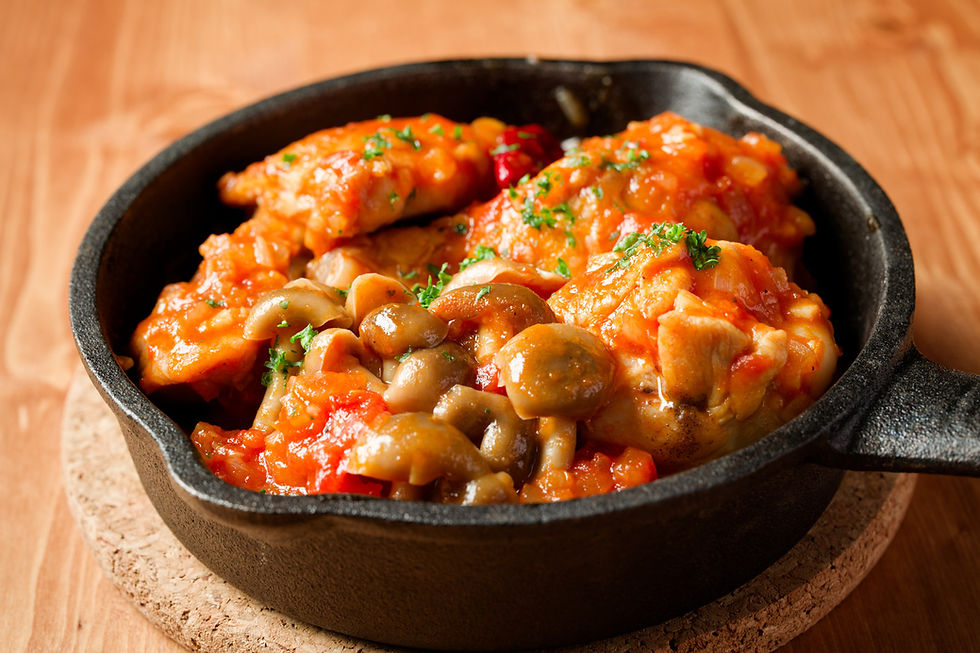
Story of the Dish Pollo alla Friulana reflects the straightforward farmhouse cooking of Friuli Venezia Giulia, where poultry, white wine, herbs and simple pan sauces form the foundation of many home dishes. Friulian cooking sits at a crossroads between Italian, Austrian, Slovenian and Adriatic influences, but this chicken preparation remains deliberately uncomplicated: good meat, patient browning and dry local white wine. The dish should be lighter than a heavy stew.
The chicken is browned first, then gently braised with wine and stock until tender. The sauce is reduced at the end so it becomes glossy and concentrated rather than watery. White wine contributes acidity and aroma, while rosemary, sage and garlic provide the rustic profile expected from northern Italian country cooking.
The Story
Regional Context and Menu Planning: Friuli Venezia Giulia has a culinary identity shaped by the Alps, the Adriatic and neighboring Central European traditions, yet many home chicken dishes remain beautifully direct. White wine is especially natural in this region because Friuli is one of Italy's great white-wine territories. Using Friulano, Ribolla Gialla or another dry local style in the pan creates a direct link between the food and the landscape. When planning a menu around Pollo alla Friulana, begin with something light and acidic, then keep the side dish simple. Roasted potatoes, polenta or sautéed greens all work because they absorb sauce without competing with it. The finished chicken should taste savory, herbal and wine-scented, with a clean sauce and distinct browned skin. That clarity is more important than adding cream, cheese or unnecessary garnish.
Ingredients
For the recipe
Pollo alla Friulana is at its best when the chicken has good flavor and enough skin to brown properly. Bone-in pieces provide more flavor and resist drying better than boneless cuts. Dry the surface carefully, then season before cooking so the salt begins penetrating the meat. Use a dry Friulian white wine that you would willingly drink; poor or oxidized wine becomes more noticeable after reduction. Fresh sage and rosemary should be used with restraint, because too much can make the sauce medicinal. Prepare the stock, herbs and wine before browning so the fond never sits unattended and burns.
Preparing the Chicken
The final sauce should be glossy, aromatic and light enough to taste like chicken and wine rather than butter. Reduce first, taste second, and mount with cold butter only at the end. If the sauce needs brightness, use lemon zest or a few drops of lemon juice rather than more wine, which would reintroduce raw acidity. Warm the serving plates, place the chicken skin-side up, and spoon sauce around the pieces instead of over the skin. Finish with parsley or a few fresh herb leaves. This keeps the presentation clean and preserves the contrast between crisp skin and tender braised meat.
Building the Aromatic Base
Chicken breasts and thighs do not behave identically. Breast meat is lean and should be removed as soon as it reaches a safe 165°F, while thighs can remain in the braise longer and often improve as connective tissue softens. If all pieces are the same size, check them separately rather than assuming they are ready at the same moment.
Keep the simmer quiet; bubbling violently drives moisture from the meat and emulsifies too much fat into the sauce. After removing the chicken, reduce the sauce independently. This gives precise control over both meat doneness and sauce consistency.
Browning the Chicken
The final sauce should be glossy, aromatic and light enough to taste like chicken and wine rather than butter. Reduce first, taste second, and mount with cold butter only at the end. If the sauce needs brightness, use lemon zest or a few drops of lemon juice rather than more wine, which would reintroduce raw acidity.
Warm the serving plates, place the chicken skin-side up, and spoon sauce around the pieces instead of over the skin. Finish with parsley or a few fresh herb leaves. This keeps the presentation clean and preserves the contrast between crisp skin and tender braised meat.
Deglazing and Braising
Chef's Final Notes on Pollo alla Friulana: control the chicken and sauce separately once browning is complete. Breast pieces should leave the pan as soon as they are cooked, while thighs can continue until fully tender. This prevents the common mistake of dry breast meat in an otherwise good braise.
When reducing the sauce, keep tasting; the wine should taste integrated, not raw, and the herbs should support rather than dominate. If the sauce becomes too salty, add unsalted stock and reduce again gently. For the cleanest presentation, return the chicken only briefly at the end and keep the skin above the sauce.
Reducing the Sauce
The dish should arrive at the table tasting light, savory and aromatic rather than heavy.
Regional Context and Menu Planning: Friuli Venezia Giulia has a culinary identity shaped by the Alps, the Adriatic and neighboring Central European traditions, yet many home chicken dishes remain beautifully direct. White wine is especially natural in this region because Friuli is one of Italy's great white-wine territories. Using Friulano, Ribolla Gialla or another dry local style in the pan creates a direct link between the food and the landscape.
Resting and Final Seasoning
When planning a menu around Pollo alla Friulana, begin with something light and acidic, then keep the side dish simple. Roasted potatoes, polenta or sautéed greens all work because they absorb sauce without competing with it. The finished chicken should taste savory, herbal and wine-scented, with a clean sauce and distinct browned skin.
That clarity is more important than adding cream, cheese or unnecessary garnish.
Plating
The final sauce should be glossy, aromatic and light enough to taste like chicken and wine rather than butter. Reduce first, taste second, and mount with cold butter only at the end. If the sauce needs brightness, use lemon zest or a few drops of lemon juice rather than more wine, which would reintroduce raw acidity. Warm the serving plates, place the chicken skin-side up, and spoon sauce around the pieces instead of over the skin. Finish with parsley or a few fresh herb leaves. This keeps the presentation clean and preserves the contrast between crisp skin and tender braised meat.
Professional Technique
Pollo alla Friulana is at its best when the chicken has good flavor and enough skin to brown properly. Bone-in pieces provide more flavor and resist drying better than boneless cuts. Dry the surface carefully, then season before cooking so the salt begins penetrating the meat. Use a dry Friulian white wine that you would willingly drink; poor or oxidized wine becomes more noticeable after reduction. Fresh sage and rosemary should be used with restraint, because too much can make the sauce medicinal. Prepare the stock, herbs and wine before browning so the fond never sits unattended and burns.
Chicken breasts and thighs do not behave identically. Breast meat is lean and should be removed as soon as it reaches a safe 165°F, while thighs can remain in the braise longer and often improve as connective tissue softens. If all pieces are the same size, check them separately rather than assuming they are ready at the same moment. Keep the simmer quiet; bubbling violently drives moisture from the meat and emulsifies too much fat into the sauce. After removing the chicken, reduce the sauce independently. This gives precise control over both meat doneness and sauce consistency.
Chef's Final Notes on Pollo alla Friulana: control the chicken and sauce separately once browning is complete. Breast pieces should leave the pan as soon as they are cooked, while thighs can continue until fully tender. This prevents the common mistake of dry breast meat in an otherwise good braise. When reducing the sauce, keep tasting; the wine should taste integrated, not raw, and the herbs should support rather than dominate. If the sauce becomes too salty, add unsalted stock and reduce again gently. For the cleanest presentation, return the chicken only briefly at the end and keep the skin above the sauce. The dish should arrive at the table tasting light, savory and aromatic rather than heavy.
Professional consistency comes from controlling heat, seasoning and timing rather than forcing the process. Work in deliberate stages, taste before the final adjustment, and stop cooking when the ingredient has reached the intended texture rather than waiting for a visual sign of overcooking.
Texture and Moisture Control
Chicken breasts and thighs do not behave identically. Breast meat is lean and should be removed as soon as it reaches a safe 165°F, while thighs can remain in the braise longer and often improve as connective tissue softens. If all pieces are the same size, check them separately rather than assuming they are ready at the same moment. Keep the simmer quiet; bubbling violently drives moisture from the meat and emulsifies too much fat into the sauce. After removing the chicken, reduce the sauce independently. This gives precise control over both meat doneness and sauce consistency.
Texture and moisture must be managed throughout the recipe. Excess water dilutes flavor and weakens structure, while excessive reduction or heat makes the finished dish heavy or dry. Keep the final consistency appropriate to the dish and make the last adjustment immediately before service.
Professional Mise en Place
Pollo alla Friulana is at its best when the chicken has good flavor and enough skin to brown properly. Bone-in pieces provide more flavor and resist drying better than boneless cuts. Dry the surface carefully, then season before cooking so the salt begins penetrating the meat. Use a dry Friulian white wine that you would willingly drink; poor or oxidized wine becomes more noticeable after reduction. Fresh sage and rosemary should be used with restraint, because too much can make the sauce medicinal. Prepare the stock, herbs and wine before browning so the fond never sits unattended and burns.
Prepare, weigh and organize every component before active cooking begins. Separate ingredients by stage of use, keep perishable components properly chilled, and have the serving vessel or finishing ingredients ready so the dish can be completed without unnecessary waiting.
Chef Tips
Use the best-quality primary ingredient available, prepare all components before cooking, and make the final seasoning adjustment only after the texture is correct.
Common Mistakes
Avoid rushing the principal cooking stage, overworking delicate ingredients, adding excessive liquid, and making the final seasoning adjustment before the dish has reached its finished concentration.
Wine Pairing
Fiano di Avellino DOCG — Stone fruit, herbs and firm acidity support savory dishes without masking delicate ingredients.
Vermentino di Gallura DOCG — Citrus, Mediterranean herbs and saline freshness are especially effective with seafood and vegetables.
Etna Bianco DOC — Minerality, citrus and tension keep the palate clean through olive oil, cheese and seafood.
Grillo Sicilia DOC — Ripe citrus and herbal character match Mediterranean aromatics while retaining freshness.
Nuragus di Cagliari DOC — Light body, savory notes and clean acidity suit seafood, vegetables and simple regional preparations.
Storage
Cool leftovers promptly when appropriate and refrigerate in a covered container. Reheat only when the recipe benefits from reheating, and avoid repeated temperature cycles that damage texture and flavor.
Nutrition
Estimated per serving. Calories, protein, carbohydrates, sugars, fat, saturated fat, fiber and sodium vary with the exact ingredient brands and final portion size.




Comments