
Biscotti Palle di Neve (Italian Snowball Cookies)
- 58 minutes ago
- 7 min read
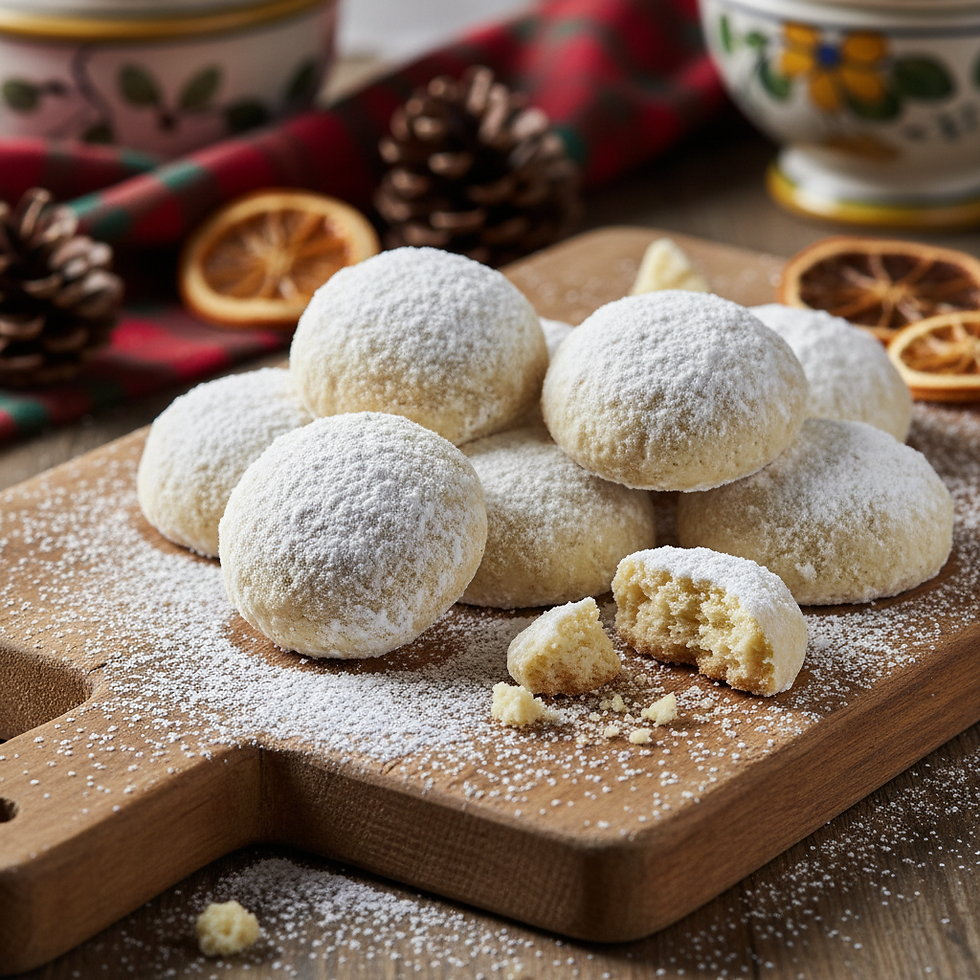
Biscotti palle di neve/Snowball cookies
This recipe belongs to the practical tradition of Italian home cooking, where careful ingredient selection, restraint, and control of texture matter more than unnecessary complication. The preparation should taste clear and balanced: every ingredient must remain recognizable while contributing to a unified final dish. Regional Italian cooking developed through seasonality, preservation, household economy, and an instinctive understanding of how heat transforms simple ingredients. This expanded version preserves that spirit while explaining the professional details that make the result consistent in an American home kitchen.
History and Italian Culinary Context
Recipes such as Biscotti palle di neve/Snowball cookies reflect the way Italian regional cuisine turns local ingredients into dishes with a strong sense of place. Rather than treating tradition as a rigid formula, Italian cooks historically adjusted proportions to the season, household, and quality of what was available. What remains constant is the method: respect the ingredient, avoid excessive seasoning, and use technique to concentrate natural flavor. For that reason, a seemingly simple preparation can demand considerable precision. The goal of this version is to retain the recognizable character of the original dish while documenting the cues a cook needs to reproduce it reliably.
Recipe Information
Servings: 4 Prep Time: approximately 20 minutes Cook Time: approximately 30–60 minutes, depending on the preparation Total Time: approximately 50–80 minutes
Ingredients — U.S. Measurements
Extra-virgin olive oil, as needed
Kosher salt, to taste
Freshly ground black pepper, to taste
Fresh Italian parsley or appropriate fresh herbs, as needed
Fresh lemon, wine, stock, or cooking liquid as appropriate to the original preparation
The principal ingredients and quantities from the original recipe, prepared and measured before cooking
Method — Step by Step
1. Prepare the mise en place completely. Wash and dry produce carefully, trim the principal ingredients, measure liquids, and have the cooking vessel ready before beginning.
2. Build the flavor base using controlled heat. When aromatics are present, soften them without scorching; when browning is required, allow the surface to develop color before moving the ingredient.
3. Add the principal ingredient and season progressively. Avoid overcrowding the pan because trapped steam prevents proper concentration and texture.
4. Introduce liquid only as required by the preparation. Maintain a controlled simmer rather than a violent boil so flavors remain clean and delicate ingredients do not break apart.
5. Cook until the ingredient reaches the correct texture, checking visually and by touch rather than relying exclusively on a timer. Adjust heat whenever the sauce reduces too quickly or moisture accumulates.
6. Finish the dish off direct high heat. Correct salt, acidity, richness, and consistency. Fresh herbs, citrus, cheese, or olive oil should be added at the stage appropriate to the original recipe.
7. Rest briefly when appropriate, then plate while the temperature and texture are at their best. Serve immediately if the preparation depends on crispness, emulsification, or delicate seafood.
Professional Technique
The most important principle is mise en place. Prepare, measure, wash, trim, and portion everything before applying heat. Use moderate heat whenever the recipe depends on tenderness, sweetness, or emulsification, and stronger heat only when deliberate browning is required. Salt progressively rather than aggressively at the beginning. Taste throughout the process. The finished dish should have contrast without harshness, moisture without wateriness, and seasoning that supports rather than masks the principal ingredient.
Temperature management is especially important. A pan that is too cold causes ingredients to release moisture before developing flavor; excessive heat burns aromatics and creates bitterness. When using vegetables, preserve their natural color and texture unless the traditional preparation specifically calls for long cooking. With pasta, reserve cooking water before draining. With seafood, stop cooking as soon as the flesh becomes opaque and tender. With eggs, remove them slightly before the desired final doneness because residual heat continues the cooking process.
Chef Tips
Use the best-quality principal ingredient you can find. Dry ingredients before browning. Keep extra hot stock or water nearby so reductions can be corrected without shocking the pan. Taste before adding more salt, especially when cheese, cured ingredients, olives, capers, or preserved fish are involved. Finish with good extra-virgin olive oil only when its fresh aroma will improve the dish.
Common Mistakes to Avoid
Do not rush the flavor base, overcrowd the cooking vessel, or confuse high heat with faster cooking. Avoid adding all the salt at once. Do not allow delicate herbs to burn. Do not reduce a sauce until it becomes greasy or excessively salty. Most importantly, do not continue cooking after the principal ingredient has reached its ideal texture.
Serving and Presentation
Serve Biscotti palle di neve/Snowball cookies in a warm plate or serving dish appropriate to its style. Keep the presentation natural and distinctly Italian: the food should remain recognizable, portions should be generous but controlled, and garnish should come only from ingredients that belong to the recipe. Clean the rim of the plate and use sauce deliberately rather than decoratively.
Wine Pairing
Choose an Italian wine according to the weight and dominant flavor of the finished dish. Crisp Vermentino, Pinot Grigio, or Verdicchio suits vegetables, seafood, and fresh preparations; structured reds such as Chianti Classico, Montepulciano d’Abruzzo, or Cannonau work better with richer, braised, tomato-based, or deeply savory dishes. The wine should refresh the palate without overpowering the principal ingredient.
Chef Lyuba's Recommendation
Prepare the dish once exactly as written, paying close attention to heat, texture, and seasoning. On later preparations, adjust only one variable at a time. Italian cooking becomes personal through repetition, but the foundation should always remain respect for the ingredient and control of technique.
Chef Lyuba Vitelli
Chef Gianluca’s Recommendation
For the best result, prioritize ingredient quality and execute the basic technique cleanly before adding decorative touches. The finished recipe should taste balanced first; presentation comes second. Make the final adjustment for salt, acidity, sweetness, or texture immediately before service, then serve without unnecessary delay.
Chef Gianluca Deiana
Technique and Ingredient Notes
For a professional result, treat the ingredient list as a system rather than a collection of separate items. Bring ingredients to the temperatures required by the method before cooking, measure accurately, and prepare the mise en place completely. Small differences in moisture, pan size, burner strength, and ingredient maturity can change cooking time, so use texture, aroma, and color as the final indicators of doneness.
Salt should be added in stages. Early seasoning helps build depth, while the final adjustment should happen only after reductions, cheeses, cured ingredients, stocks, or sauces have concentrated. When fat is used, allow it to carry aroma without becoming greasy; when acidity is present, use it to sharpen and balance the dish rather than make it taste sour.
Temperature control is especially important in Italian cooking. High heat is useful for rapid browning, but once color is established, reduce or moderate the heat as needed to protect tenderness and prevent bitter flavors. Rest roasted or seared proteins when appropriate, keep pasta and risotto moving through their finishing stage, and serve fried preparations immediately so their texture remains crisp.
Before plating, taste every major component together. A sauce that tastes correct by itself may need adjustment once paired with pasta, meat, fish, vegetables, cheese, or garnish. The finished plate should have a clear primary flavor, supporting secondary notes, and enough contrast in texture to remain interesting from the first bite to the last.
Nutrition per Serving
Approximate nutrition per serving: 430 calories, 7 g protein, 52 g carbohydrates, 22 g fat, 13 g saturated fat, 2 g fiber, 34 g sugars, 170 mg sodium, and 95 mg cholesterol. Values vary with portion size and exact ingredients.
Storage and Reheating
Store covered in the refrigerator according to the most perishable ingredient, generally up to 3 days. Frozen preparations should remain tightly wrapped to prevent ice crystals and odor absorption. Temper briefly before serving when needed for the intended texture.
Professional Technique and Regional Standards
Professional technique for Chef Gianluca: Biscotti palle di neve/Snowball cookies: begin with disciplined mise en place so every ingredient is measured, trimmed, and ready before heat is applied. Control temperature rather than relying only on the clock. Browning should create flavor without burning; simmering should remain gentle enough to preserve moisture and texture. Season in stages and taste again after reductions, cured ingredients, cheese, or concentrated cooking liquids have been added. The final texture should look intentional on the plate, with sauce emulsified rather than oily and the principal ingredient still recognizable. Ingredient quality matters because regional Italian recipes usually rely on a short list of strongly identifiable ingredients. Use the best version available and avoid masking it with unnecessary cream, excessive garnish, or aggressive seasoning. When a protected regional ingredient is unavailable, choose a substitute with a similar fat level, acidity, texture, and aging profile rather than simply choosing the strongest-flavored alternative. For service, warm plates for savory dishes and chill plates or serving dishes when appropriate for cold desserts. Finish sauces immediately before plating, because emulsions tighten as they cool. Reserve cooking water or stock whenever starch is involved so the final consistency can be corrected without adding cream. If the preparation contains cheese, incorporate it away from aggressive heat to avoid separation. If it contains meat or fish, allow a short rest when appropriate so juices redistribute before slicing. The recipe should taste balanced rather than merely intense. Salt, acidity, sweetness, bitterness, fat, and aroma should support one another. If a finished dish tastes heavy, correct with acidity or a small amount of hot cooking liquid before adding more salt. If it tastes thin, reduce or emulsify rather than automatically adding more fat. These final adjustments are what separate a professional result from a recipe that is technically cooked but not fully finished. Regional identity should remain visible. Do not modernize a traditional dish by adding ingredients that obscure its origin. Refined presentation comes from clean cuts, controlled sauce consistency, proper temperature, and proportion—not from decorative elements unrelated to the recipe. Keep garnishes edible and connected to the flavor profile. Texture is the final standard. Pasta and rice should remain al dente; dumplings should be tender without becoming dense; braised meats should be moist and yielding without collapsing into fibers; fish should separate into clean flakes; desserts should hold their intended structure without becoming icy, gummy, or excessively sweet. Serve promptly once the correct texture is reached.


Comments