
Italian Mixology: Italian 75 al Bergamotto
Updated: Aug 31

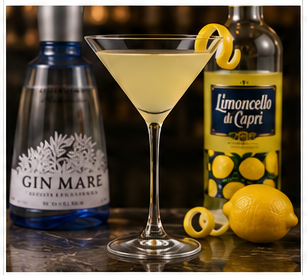
Italian 75 al Bergamotto — Gin Mare, Italicus Rosolio di Bergamotto and Valdobbiadene Prosecco.
The Italian 75 al Bergamotto takes the clean architecture of the French 75 and moves it toward the Italian aperitivo table. Gin supplies structure, bergamot adds floral citrus complexity, fresh lemon gives the drink its acid line, and dry Prosecco lifts everything with fine bubbles. The goal is not sweetness. The goal is a cold, aromatic, dry sparkling cocktail in which every ingredient remains identifiable.
The Story and Italian Context
Bergamot is one of the most distinctive aromas in Italian citrus culture, especially in Calabria, where the peel is prized for its intensely perfumed oils. In a cocktail it must be treated with restraint because its floral bitterness can dominate quickly. Italicus Rosolio di Bergamotto gives a measured expression of that character while preserving enough sweetness to soften the lemon. Paired with botanical gin and dry Prosecco, it creates a drink that feels unmistakably Mediterranean without becoming heavy or perfumed.
The classic French 75 family depends on spirit, citrus, sugar and sparkling wine. This Italian interpretation keeps that technical logic but changes the aromatic center of gravity. Bergamot liqueur contributes both sweetness and aroma, while Prosecco brings a softer orchard-fruit profile. The result belongs naturally in aperitivo service, where freshness, gentle bitterness and food compatibility matter as much as alcoholic strength.
Ingredients
1 1/2 oz (45 ml) Gin Mare
1/2 oz (15 ml) Italicus Rosolio di Bergamotto
3/4 oz (22 ml) fresh lemon juice
2–3 oz (60–90 ml) chilled Valdobbiadene Prosecco
Optional: 1 bar spoon simple syrup only if the lemon is unusually sharp
Long lemon peel for garnish
Preparation
Chill a Champagne flute or small tulip glass and keep the Prosecco very cold. Add gin, Italicus and fresh lemon juice to a shaker filled with hard cold ice. Shake firmly for 10–12 seconds, then double-strain into the chilled glass. Top slowly with Prosecco and give the drink one gentle lift with a bar spoon. Express a long lemon peel over the surface and place it neatly on the rim.
Professional Technique
Temperature is the first technical priority. Only the still ingredients are shaken; sparkling wine never enters the shaker because agitation destroys carbonation. The base needs enough dilution to soften the gin, but not so much that it disappears after the Prosecco is added. A clean double strain keeps ice shards out of the finished drink and helps the bubbles remain fine and elegant.
Bergamot is powerful. It should perfume the drink without burying the gin. Taste the base before topping because citrus acidity changes from fruit to fruit. If the lemon is extremely sharp, a bar spoon of syrup may be justified, but the finished cocktail should still end dry. Too much Italicus makes the drink floral and soft; too little leaves it tasting like an ordinary sparkling gin sour.
Flavor Profile and Balance
Expect juniper and Mediterranean herbs first, followed by bergamot blossom, lemon peel and the pear-and-apple notes of dry Prosecco. The palate should move from crisp citrus into floral bitterness and finish clean. There should be no syrupy coating after the swallow. A good version is aromatic enough to be memorable but dry enough to invite another sip and to work beside food.
The target dilution is moderate: enough water from shaking to integrate the gin and citrus, followed by sparkling wine that lengthens rather than weakens the drink. If the base tastes perfect before the Prosecco but thin afterward, the initial shake was too long or the sparkling pour was excessive.
Glassware, Ice and Garnish
Serve in a narrow flute or small tulip glass without ice. Use a single long lemon peel. The visual discipline matters: pale gold color, fine bubbles and one precise garnish communicate the same restraint that should exist in the recipe. Avoid oversized glassware, which makes the drink look flat and allows the aroma to dissipate too quickly.
Chef Tips
Use lemon juice squeezed immediately before service and keep the Prosecco sealed and refrigerated until the final moment. Brut or a genuinely dry extra-dry Prosecco works better than a sweet bottle. If using a highly aromatic Mediterranean gin, do not add extra herbs until you have tasted the complete drink. Bergamot, botanicals and sparkling wine already create a complex aromatic field.
Common Mistakes
The most common failures are warm Prosecco, stale citrus, excessive bergamot liqueur and over-dilution. Do not shake the sparkling component. Do not compensate for a sweet Prosecco by adding excessive lemon; that creates an unstable sweet-sour seesaw instead of balance. Never pre-garnish hours in advance because fresh citrus oils are part of the first impression.
Food Pairing
This cocktail is particularly effective with oysters, shrimp crudo, grilled prawns, burrata, young pecorino, lemon-dressed vegetables and delicate fried antipasti. Salt and gentle fat make the citrus appear brighter, while the bubbles reset the palate. Zucchini flowers and small seafood fritti are excellent partners when lightly fried and cleanly seasoned. Avoid very sweet desserts or heavily smoked foods.
Batch and Service
For four cocktails, combine 6 oz (180 ml) gin, 2 oz (60 ml) Italicus and 3 oz (90 ml) fresh lemon juice in a chilled bottle and refrigerate for only a few hours. At service, shake one quarter of the batch with ice, strain and top with 2–3 oz (60–90 ml) cold Prosecco. Keeping the sparkling component separate preserves carbonation and lets every drink receive the correct dilution.
Variations
For a drier version, reduce Italicus slightly and use brut Prosecco. For a softer aperitivo version, add only a bar spoon of syrup if the citrus demands it. A more herbal expression can use a gin with rosemary, thyme or olive botanicals, but the principle should remain unchanged: one dominant Italian aromatic idea, a clear acid line, enough gin structure to support it and sparkling wine that lifts the cocktail instead of masking it.
Final Notes
The Italian 75 al Bergamotto succeeds through precision rather than complexity. Bergamot gives it an unmistakable Italian identity, but the technique remains classical: cold glassware, fresh citrus, measured dilution and sparkling wine added at the end. When those details are correct, the drink is elegant enough for a serious cocktail bar, refreshing enough for aperitivo and structured enough to accompany food.
Ingredient Selection
The gin should be dry enough to give the cocktail a spine. Gin Mare is especially useful because rosemary, thyme, olive and citrus botanicals echo the Mediterranean direction of bergamot without turning the drink into perfume. Italicus should be fresh and measured accurately; free-pouring it is one of the easiest ways to lose balance. For the sparkling component, choose a clean Prosecco with active fine bubbles and enough acidity to remain refreshing after it meets the liqueur. The lemon must be freshly squeezed, strained and tasted before service because its acidity determines whether any additional syrup is needed.
Dilution, Temperature and Carbonation
A sparkling cocktail exposes weak temperature control immediately. The base should leave the shaker close to freezing, while the Prosecco should come directly from refrigeration. Hard, dense ice is preferable because it chills rapidly without flooding the drink with water. Shake only until the metal shaker is fully cold and the citrus is integrated. Once strained, add the sparkling wine slowly so the foam does not surge out of the glass. The final gentle lift with a bar spoon is not a full stir; its purpose is only to connect the denser base with the wine while protecting the bubbles that give the cocktail its length and texture.
Professional Service Standard
For consistent bar service, measure every component rather than relying on visual estimation. Keep the glassware chilled, store the sparkling wine upright and cold, and open a fresh bottle when carbonation begins to fade. The cocktail should be served immediately after topping; even a few minutes on a service station changes the aroma and bubble structure. The lemon peel should be cut with minimal white pith and expressed directly over the finished surface. Present the drink with a clean stem, no drips on the glass and no unnecessary decorative elements. A restrained presentation reinforces the dry, precise character of the recipe.
Why This Cocktail Works
The success of the Italian 75 al Bergamotto comes from contrast. Gin is dry and botanical; Italicus is floral, citrus-driven and gently sweet; lemon is direct and acidic; Prosecco is light, fruity and carbonated. None of these elements should dominate for more than a moment. The aroma begins with bergamot and citrus oils, the center of the palate reveals gin, and the finish belongs to acidity and bubbles. That progression is what separates a composed cocktail from a mixture of fashionable Italian ingredients. When each component has a clear job, the drink remains recognizable, repeatable and useful at the table.


Comments