
Italian Horse Meat Meatloaf with Cannonau | Polpettone di Carne di Cavallo al Cannonau
Updated: Aug 30
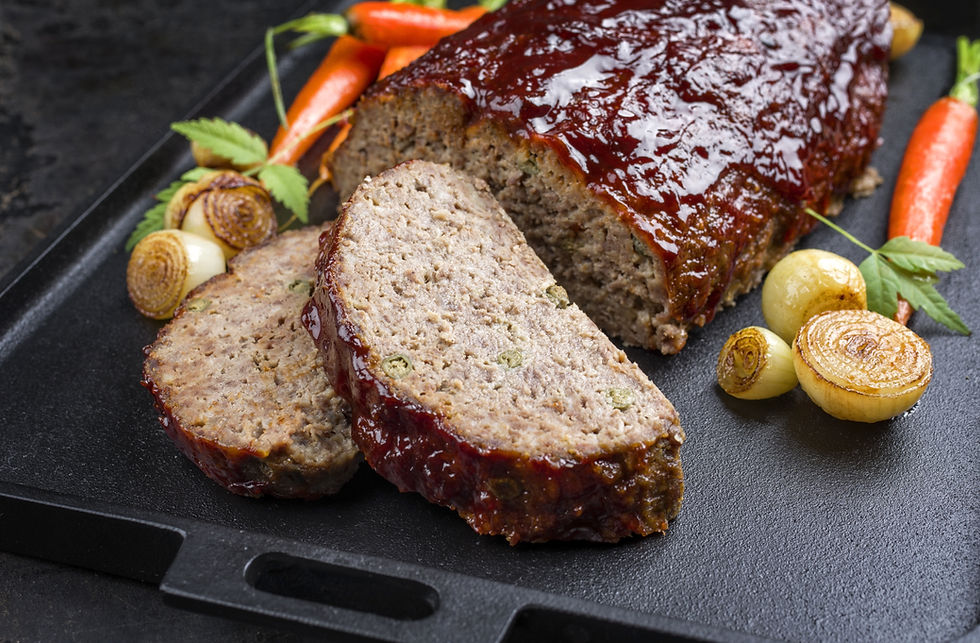
Horse meat is lean, deeply colored and slightly sweet, which makes it very different from the beef-and-pork mixtures normally used for Italian polpettone. This recipe treats that difference as an advantage. A milk-soaked breadcrumb panade protects moisture, the meat is mixed as little as possible, and Cannonau di Sardegna is reduced separately before it becomes the base of a savory wine sauce. The result should slice cleanly while remaining tender and juicy.
This is best understood as a contemporary Italian recipe with a strong Sardinian wine identity, not as a codified historic Sardinian classic. Cannonau is the defining regional element: it gives the sauce ripe red-fruit depth, herbs, spice and enough acidity to balance the mineral character of the meat.
Recipe Information
Course: Main Course / Secondo Piatto
Cuisine: Italian, Sardinian-inspired
Servings: 6
Preparation: 35 minutes
Cooking: about 1 hour 15 minutes
Resting: 15 minutes
Total time: about 2 hours 5 minutes
Difficulty: Intermediate
Why This Polpettone Works
The technical problem with horse meat is not flavor but fat. It is generally much leaner than a conventional meatloaf blend, so aggressive mixing and overcooking can make it dry very quickly. Three controls solve that problem: a panade to hold moisture, gentle handling to prevent a dense protein network, and precise internal temperature.
The Cannonau sauce follows the opposite principle: concentration. The wine must be reduced before stock is added. That removes the raw alcoholic edge and concentrates fruit, acidity and spice. The finished sauce should taste savory first, with wine as a structural ingredient rather than a sweet glaze.
Ingredients
For the Horse Meat Polpettone
2 lb freshly ground horse meat (900 g)
2 large eggs
3/4 cup finely grated Parmigiano Reggiano (80 g)
1/2 cup fine breadcrumbs (60 g)
1/3 cup whole milk (80 ml)
1 small yellow onion, very finely minced, about 2.5 oz (70 g)
1 small garlic clove, finely grated
2 tbsp flat-leaf Italian parsley, finely chopped
1 tsp fresh rosemary, very finely chopped
2 tbsp extra virgin olive oil
1 1/2 tsp fine sea salt
1/2 tsp freshly ground black pepper
1 small pinch freshly grated nutmeg
For the Cannonau Sauce
2 tbsp extra virgin olive oil
1 small yellow onion, finely diced, about 3.5 oz (100 g)
1 small carrot, finely diced, about 2 oz (60 g)
1 celery stalk, finely diced, about 1.5 oz (45 g)
1 garlic clove, lightly crushed
1 tbsp tomato paste (16 g)
1 1/2 cups Cannonau di Sardegna DOC (350 ml)
1 2/3 cups unsalted beef or veal stock (400 ml)
1 fresh rosemary sprig
2 fresh sage leaves
1 bay leaf
1 1/2 tbsp cold unsalted butter (20 g)
Fine sea salt and freshly ground black pepper, as needed
Preparation
Make the panade. Combine the breadcrumbs and milk in a small bowl. Mix once and let stand for 5 minutes, until the crumbs are fully hydrated. Do not squeeze the mixture dry.
Cook the onion. Warm 1 tablespoon of the olive oil over medium-low heat. Add the minced onion with a tiny pinch of salt and cook for 5 to 6 minutes until soft and translucent, without browning. Add the grated garlic for the final 30 seconds. Cool completely.
Mix gently. Keep the horse meat cold. Place it in a large bowl with the cooled onion mixture, panade, eggs, Parmigiano Reggiano, parsley, rosemary, remaining olive oil, salt, pepper and nutmeg. Mix with your hands only until evenly combined. Do not knead.
Test the seasoning. Cook a teaspoon of the mixture in a small skillet, taste it, and adjust salt or pepper before shaping the full loaf.
Shape and chill. Form an even cylinder about 9 inches (23 cm) long on parchment paper. Keep the diameter consistent and avoid compressing the meat. Refrigerate for 15 to 20 minutes.
Sear the polpettone. Heat a wide Dutch oven or heavy casserole over medium-high heat with a thin film of olive oil. Brown the loaf carefully on all sides, about 7 to 9 minutes total. Turn with two spatulas or large spoons; never pierce it with a fork. Transfer to a plate.
Build the soffritto. Lower the heat to medium. Add onion, carrot and celery and cook for 7 to 8 minutes until softened and lightly caramelized. Add the garlic for 30 seconds, then stir in the tomato paste and cook for 2 minutes until slightly darkened.
Reduce the Cannonau. Pour in the Cannonau and scrape the browned fond from the bottom of the pot. Add rosemary, sage and bay. Simmer uncovered until the wine has reduced by roughly half, usually 8 to 12 minutes. Only then add the stock.
Braise in the oven. Return the polpettone to the casserole. The liquid should reach about one-third to halfway up the sides. Cover and transfer to a 325°F (165°C) oven for 45 to 55 minutes, turning the loaf once very carefully.
Check the center. Because this is ground meat, cook the center to 160°F (71°C) using an instant-read thermometer. Remove it as soon as it reaches the target so the lean meat does not dry out.
Rest. Transfer the polpettone to a warm platter and rest loosely covered for 15 minutes before slicing.
Finish the sauce. Remove the herbs and garlic. For a refined texture, strain the sauce; for a rustic version, leave the vegetables. Reduce until it lightly coats a spoon. Remove from the heat and swirl in the cold butter. Taste and correct salt and pepper.
Professional Technique
The panade is not filler. It is a moisture-management tool. Hydrated breadcrumbs trap liquid inside the protein network and protect the slice during cooking. This matters more with horse meat than with a fatty mixed-meat polpettone.
Temperature control is equally important. For home food safety, treat the preparation like other ground red-meat meatloaves and bring the center to 160°F (71°C). A thermometer is more reliable than color. Once the loaf reaches temperature, resting allows the internal juices to redistribute and gives you cleaner slices.
The sauce should never taste like raw wine. Reducing Cannonau before stock concentrates its character and softens the alcoholic edge. Mounting with cold butter after reduction gives the sauce gloss and body without making it heavy.
How to Plate It
Cut the rested polpettone into slices about 3/4 inch (1.5–2 cm) thick. Arrange two overlapping slices on a warm plate and spoon the Cannonau reduction around and lightly over the meat, leaving part of the interior visible. Potato purée, soft polenta, roasted potatoes or roasted root vegetables are the strongest accompaniments because they absorb the sauce without competing with it.
Chef Tips
Buy freshly ground horse meat only from a reputable, legally operating and properly inspected supplier.
Keep the meat cold from grinding through shaping.
Cool the sautéed onion completely before it touches the meat.
Cook a small test portion before shaping the loaf.
Do not add extra breadcrumbs just because the raw mixture feels soft; chilling will firm it.
Use a Cannonau you would be happy to drink. Poor wine becomes concentrated poor wine.
Reduce the wine before adding stock.
Use a thermometer and stop cooking at 160°F (71°C).
Rest 15 minutes before slicing.
Finish the sauce off the heat with cold butter.
Common Mistakes
Overmixing the meat, which creates a tight, rubbery texture.
Using dry breadcrumbs without hydrating them first.
Adding hot aromatics to cold ground meat.
Compressing the loaf too tightly when shaping.
Pouring Cannonau and stock into the pot at the same time instead of reducing the wine first.
Boiling the braise aggressively; gentle heat protects the lean meat.
Cooking far beyond the target internal temperature.
Slicing immediately after cooking.
Boiling the sauce after mounting it with butter.
Wine Pairing
Cannonau di Sardegna DOC — the most natural pairing and the best choice when you use the same wine in the sauce. Its ripe fruit, Mediterranean herbs and warm spice echo the reduction while its tannin stands up to the meat.
Etna Rosso DOC — a more lifted alternative. Nerello Mascalese brings acidity, red fruit and volcanic minerality that works particularly well when the sauce is kept savory and not over-reduced.
Valpolicella Ripasso DOC — rounder and darker in profile, with enough structure for the horse meat and enough freshness to balance the Parmigiano and the concentrated Cannonau sauce.
Serve the reds slightly cool, around 60–64°F (16–18°C), rather than warm room temperature.
Storage and Reheating
Cool leftovers promptly. Refrigerate the sliced polpettone and sauce in airtight containers for up to 3 days. For the best texture, reheat the meat gently in a covered baking dish with a few spoonfuls of sauce at 300°F (150°C) until hot throughout. Avoid repeated reheating. The cooked polpettone can also be frozen, preferably sliced and wrapped well, for up to 2 months. Thaw overnight in the refrigerator before reheating.
Nutrition
Estimated nutrition per serving, based on 6 servings and the listed ingredients:
Calories: approximately 450 kcal
Protein: approximately 39 g
Carbohydrates: approximately 12 g
Sugars: approximately 3 g
Fat: approximately 22 g
Saturated Fat: approximately 7 g
Fiber: approximately 1 g
Sodium: approximately 720 mg
Values are estimates and vary with the exact leanness of the horse meat, the amount of sauce served, the stock, cheese and wine reduction.
Final Chef Note
The success of this dish depends on restraint. Horse meat should remain recognizable, the Cannonau should deepen the sauce rather than dominate it, and the texture should stay tender enough to cut with the side of a fork. Protect moisture, reduce the wine properly and stop cooking at the right temperature. Those three decisions matter more than adding extra ingredients.


Comments