Wine Pairing: Alcamo DOC
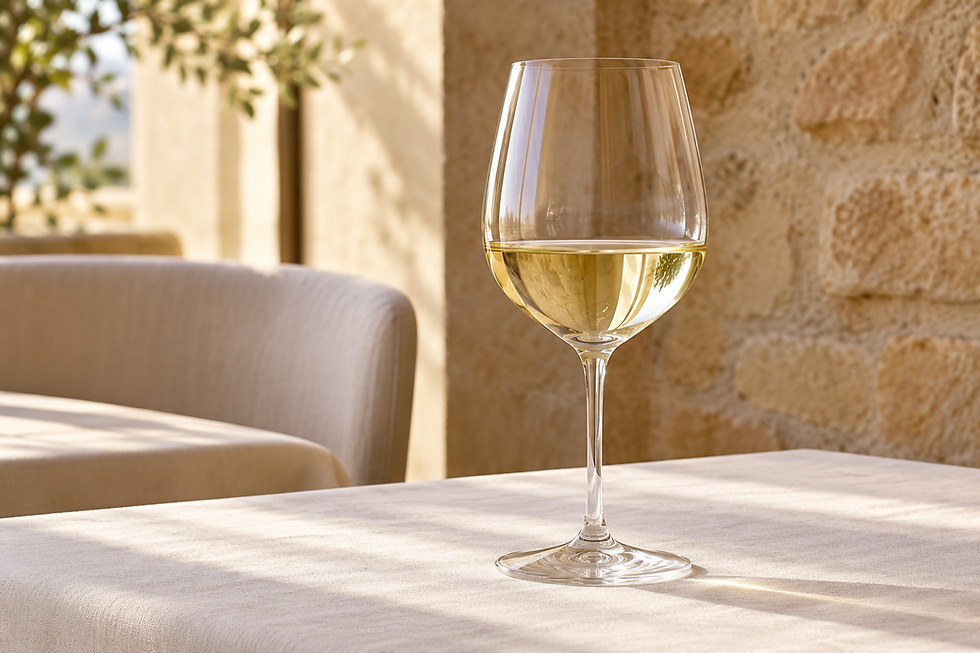
Alcamo DOC is one of the oldest denominations of Sicily, recognized by decree in July 1972. It belongs to the northwest of the island, in the hills behind the Gulf of Castellammare, and it was created to protect the white wine of Catarratto that made the town of Alcamo famous. Its rules were later widened to reds, rosés, sparkling and late-harvest wines, but Catarratto remains the heart of the denomination.
What It Is
Alcamo DOC is a protected designation of origin covering a family of styles: the Bianco, also with the mention Classico and in a spumante version; a Rosato, also sparkling; a Rosso, also novello and Riserva; a vendemmia tardiva; and varietal wines such as Catarratto, Ansonica, Grillo, Grecanico, Chardonnay, Müller-Thurgau, Sauvignon, Nero d'Avola, Cabernet Sauvignon, Merlot and Syrah. The common thread is the landscape of western Sicily between Trapani and Palermo.
At the table, Alcamo DOC should be judged through balance rather than aroma alone. The white must combine citrus and herbs with enough acidity to stay fresh in a warm climate; the red must keep ripe Nero d'Avola fruit in proportion with alcohol and tannin. Acidity determines freshness, body determines the weight of food the wine can support, and alcohol influences warmth and persistence. ZAFFERANO & CO. evaluates Alcamo as a complete gastronomic profile, with particular attention to how the white works with the seafood and vegetables of its coast.
Territory
The production area includes Alcamo, part of Calatafimi-Segesta, Castellammare del Golfo and Gibellina in the province of Trapani, and parts of Balestrate, Camporeale, Monreale, Partinico, San Cipirello and San Giuseppe Jato in the province of Palermo. Vineyards climb from the coastal plain behind the Gulf of Castellammare into hills that, around Camporeale, reach 300–600 meters, with soils that range from sand to clay and limestone.
The sea moderates the lower vineyards, while the inland hills bring cooler nights and longer ripening. Sunlight is intense and summers are dry, so the best sites are those that keep acidity and aromatic detail. Territory explains why an Alcamo from the hills of Camporeale can be sharper and more mineral than one from the plain. In pairing, these signals matter: citrus, wild fennel, capers, tomatoes, almonds and fish from the Gulf echo the wine without making the combination repetitive.
Grapes / DOC Requirements
The Bianco must contain at least 60% Catarratto, with Ansonica, Grillo, Grecanico, Chardonnay, Müller-Thurgau and Sauvignon up to 40%. The Rosso requires at least 60% Nero d'Avola, with Frappato, Sangiovese, Perricone, Cabernet Sauvignon, Merlot and Syrah allowed up to 40%. The Rosato can be made from Nerello Mascalese, Nero d'Avola, Sangiovese, Frappato, Perricone, Cabernet Sauvignon, Merlot and Syrah, alone or together. Varietal wines name a single grape on the label and must be made predominantly from it.
The official disciplinare regulates the production area, grape composition, yields, minimum analytical parameters and the use of terms such as Classico, Riserva, novello, spumante and vendemmia tardiva. The denomination established the legal framework, but producer choices determine the final expression: harvest timing in the heat, cool fermentation, time on the lees, steel or wood. The label is a starting point; the balance in the glass decides whether the wine belongs with delicate preparations or richer dishes.
Blend
There is no single blend for every bottle. The 60% Catarratto minimum gives the Bianco its identity, while the remaining 40% lets producers add the softness of Ansonica, the structure of Grillo, the aroma of Sauvignon or the breadth of Chardonnay. Many of the best whites, such as the Classico bottlings, are made almost entirely from Catarratto to show the grape at its clearest. In the Rosso, Nero d'Avola leads, with international or native partners adjusting color and tannin.
Each grape shapes structure as much as aroma. Catarratto brings lemon, herbs and a firm acidity; Ansonica adds roundness and almond; Grillo gives body and a saline edge. In the reds, Nero d'Avola contributes black cherry and freshness, Perricone firmness, Syrah spice. ZAFFERANO & CO. looks for integration: the blend should feel coherent, with no element so aggressive that it narrows the wine's usefulness at the table.
Tasting Profile
Alcamo Bianco typically shows lemon, green apple, white peach, chamomile, sage and fennel, with a saline and slightly bitter almond finish; Classico and lees-aged versions add texture and a fine mineral note. The Rosato offers red berries and citrus peel. The Rosso shows black cherry, plum, Mediterranean herbs and pepper, with spice and cocoa when aged in wood. The vendemmia tardiva is richer, with candied citrus, apricot and honey.
A technical tasting profile must connect aroma to structure. The white's medium body and lively acidity cut through olive oil and fried fish; its bitter finish matches greens and capers. The red's moderate tannin and ripe fruit respond to grilled meat and tomato sauces without overpowering them. Persistence determines whether the wine still feels present after a flavorful bite, and the best Alcamo whites finish long and salty.
ZAFFERANO & CO. Technical Score
Regional Identity: 92/100 · Typicity: 91/100 · Food-Pairing Versatility: 90/100 · Complexity: 90/100 · Balance: 91/100. These are ZAFFERANO & CO. editorial technical scores and are separate from third-party critic ratings.
The ZAFFERANO & CO. Technical Score is an editorial evaluation of typicity, balance, regional identity, aromatic clarity, structural coherence and food-pairing versatility. Alcamo's strength is the clarity of its Catarratto white; the wide range of permitted styles makes the denomination less uniform. It is not a producer-specific critic score, and individual bottles vary by producer and vintage, so the score is a reference point rather than a guarantee.
Wine Spectator and ZAFFERANO & CO. Rating
No generic Wine Spectator score is assigned to an entire denomination. A critic score is meaningful only when producer, bottling, vintage and review can be verified together. ZAFFERANO & CO. Rating: 92/100.
Third-party scores should be quoted only when producer, bottling and vintage can be checked together, and a denomination cannot responsibly carry one generic critic score. ZAFFERANO & CO. keeps its own editorial rating separate for that reason. Readers should use it as a style-level guide, then judge individual releases by producer, vintage, storage and condition.
Serving Temperature, Glassware, Opening
Serve the Bianco and the varietal whites at 46–50°F (8–10°C) in a medium white-wine glass, and Classico or lees-aged whites at 50–54°F (10–12°C). Serve the spumante at 43–46°F (6–8°C) in a tulip glass and the Rosato at 50–54°F (10–12°C). Serve the Rosso at 59–63°F (15–17°C) in a medium red-wine glass; a Riserva may need 30–60 minutes of air. The vendemmia tardiva is best at 50–54°F (10–12°C) in a small glass.
Serving conditions change the apparent quality of the wine. Too cold, and the herbs and citrus of Catarratto disappear; too warm, and the white feels broad and the red alcoholic. Glass shape affects aromatic concentration and palate entry. Decanting is useful only when it improves expression: young structured reds may benefit from air, while delicate whites never need it. Adjust temperature gradually through service.
Producers
Producers to know: Tenuta Rapitalà; Firriato; Principe di Corleone. These names are included as orientation for exploring the denomination. Producer quality, individual bottlings and vintages should be evaluated separately rather than treating the appellation as a single uniform wine.
Tenuta Rapitalà, in Camporeale, is the benchmark: its Vigna Casalj Alcamo Classico is a reference Catarratto, and its Cielo d'Alcamo is a late-harvest Alcamo DOC. Firriato and Principe di Corleone have also bottled Alcamo whites. Comparing a Classico with a younger, steel-fermented Bianco is the best way to understand how much Catarratto can give. For pairing, the right bottle is the one whose structure matches the dish, not simply the most famous label.
Alcamo DOC benefits from being considered across an entire meal. The Bianco is a natural partner for busiate with Trapani pesto of tomato, almonds and basil, couscous of fish, spaghetti with sea urchin, grilled sardines and caponata; the Rosato suits arancine and pasta alla Norma; the Rosso works with involtini of swordfish or beef, sausages with fennel and aged caciocavallo. Salt, fat, acidity, sweetness, bitterness and cooking method all change how the wine is perceived: grilling stresses its savory side, citrus and vinegar test its freshness, and fried food asks for acidity. ZAFFERANO & CO. uses this table perspective to judge versatility, because a successful pairing should keep the wine's regional identity while making the food taste more complete.
Alcamo also needs to be read through vintage and bottle age. Warmer years emphasize ripeness and body; cooler or windier seasons sharpen acidity and aroma. Most whites are at their best within two to three years, but a good Classico develops honey, dried herbs and a mineral, almost smoky note over five years or more. The reds are generally ready young, with Riserva versions gaining earth and dried fruit with time. Younger bottles favor fresh seafood and vegetables; mature wines suit roasted fish and richer dishes. The goal of service is to preserve definition and regional character from the first glass to the last.



Comments