
Wine Pairing: Greco di Tufo DOCG
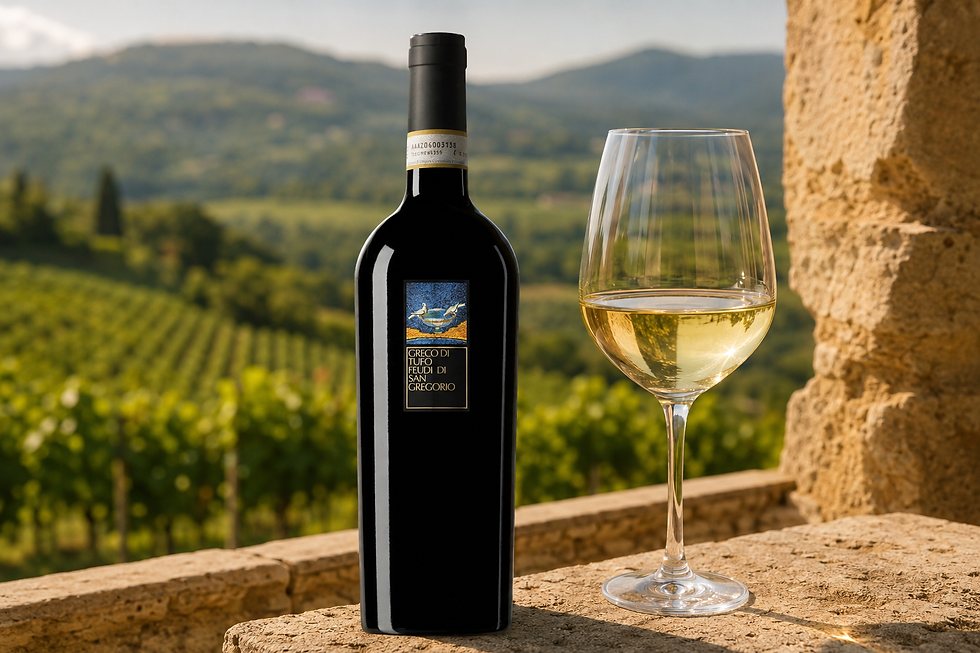
Greco di Tufo DOCG is one of southern Italy’s most structured white wines. Greco can deliver high extract, firm acidity and a slightly phenolic texture, giving the wine enough substance for shellfish, salt cod, risotto and white meat. The name comes from the Irpinian production zone around Tufo, where elevation and mineral-rich soils help create a dry white that can feel almost austere in youth and surprisingly complex after several years in bottle. The best examples also reward attention to vintage and producer: neither legal status nor price guarantees balance, and a bottle with clear regional character is more useful at the table than one built mainly around ripeness or cellar technique.
For pairing, read Greco di Tufo DOCG by weight, color where relevant, and cellar style rather than by name alone. A fresher bottle suits fried foods and delicate preparations; broader or mature examples handle risotto, poultry and cheese. The useful question is always which version of the denomination is in the glass and whether its acidity, extract and aromatic intensity match the dish.
What Greco di Tufo DOCG Is
Greco di Tufo DOCG belongs to the wine culture of Campania and is shaped above all by Greco. The denomination protects a recognizable regional identity while leaving producers enough room to express different vineyards and cellar approaches. In good examples, the wine is dry, balanced and designed around freshness rather than exaggerated perfume.
The category ranges from immediate bottles made for early drinking to more ambitious wines built on lower yields, lees work, selected parcels or additional bottle age. Those differences matter at the table. A simple bottling emphasizes citrus and drinkability; a serious selection develops more texture, herbal nuance and a longer savory finish.
That range makes Greco di Tufo DOCG more useful than its reputation sometimes suggests. It can begin with antipasti and continue through pasta or risotto, seafood and poultry. The strongest examples also have enough structure for mature cheese or earthy vegetables, especially when the wine has gained complexity through age.
The Territory of the Tufo hills of Irpinia
The denomination lies in Irpinia, east of Naples, across elevated hills centered on Tufo and neighboring communes in Avellino province. Soils vary but are strongly associated with mineral-rich clay, limestone and sulfur-bearing geological formations. Inland altitude produces significant day-night shifts, slowing ripening and helping Greco retain acidity despite Campania’s southern latitude.
Climate is the second major part of the equation. Warm daylight allows flavor to build, but elevation, exposure, air movement and cooler nights protect the acid line. When ripeness and freshness remain in balance, the wine tastes complete rather than merely sharp or fruity.
Vineyard position therefore changes the finished bottle. Freer-draining sites tend to give firmer structure and cleaner fruit, while cooler parcels emphasize perfume and acidity. Serious estates often use several plots to create balance, or isolate one site when its soil and exposure produce a particularly distinctive expression.
Grapes and Production Rules
Greco di Tufo DOCG is based predominantly on Greco, with a limited contribution from Coda di Volpe permitted by the disciplinare. The denomination includes still wine and sparkling categories, with Riserva designations also recognized under current rules. The grape remains the unmistakable structural core.
The disciplinare establishes the legal framework, but it does not prescribe one cellar personality. Fermentation can emphasize primary fruit and clarity, while lees contact can add volume and savory complexity. Neutral wood may be useful for structured wines, but obvious oak is not a requirement for quality.
Harvest timing is critical. Grapes picked too early can give hard acidity and green flavors; fruit picked too late can lose the freshness that makes the denomination useful with food. The strongest producers look for ripe skins and flavors while preserving enough natural acidity to support aging and a clean finish.
How Greco Behaves Here
Greco develops unusually high dry extract and can show more phenolic grip than many white grapes. In Irpinia, cool nights keep that weight from becoming broad or soft. Lees aging can round the palate, while bottle age often brings wax, herbs, smoke-like mineral nuances and dried citrus.
In practical terms, a good bottle should have a clear center: acidity gives direction, while fruit and extract prevent the wine from feeling thin. Lees aging can broaden the mid-palate, and bottle age can shift fresh fruit toward dried herbs, nuts, wax, spice or preserved citrus.
The most convincing versions are rarely those with the loudest aroma or the most oak. Balance is more important. Moderate body, persistent acidity and a savory finish usually make a better food wine than a richer bottle whose alcohol, sweetness or wood dominates the meal.
Tasting Profile
Lemon, yellow apple, pear, chamomile and herbs are common, along with flinty, smoky or sulfurous mineral impressions that should not be confused with a fault when clean. The palate is dry, firm and substantial, with strong acidity and a long, sometimes lightly bitter finish.
Texture deserves as much attention as aroma. A successful bottle carries flavor across the palate without becoming heavy, then finishes with enough acidity to reset the mouth. Salinity, gentle bitterness or light phenolic grip can be positive because they connect naturally with olive oil, vegetables, fried crusts and aged cheese.
As the wine matures, primary pear, apple or citrus notes become less obvious and secondary tones become more important. Dried herbs, wax, nuts, honeyed nuances or a stronger mineral impression may appear. The exact path depends on grape and producer, but freshness should remain the organizing force rather than disappearing under oxidation.
Serving Temperature, Glassware and Decanting
Serve at 48–54°F (9–12°C). Young bottles can start around 48–50°F; structured or mature Greco benefits from 52–54°F and a larger white-wine glass. A reductive bottle may improve after ten to twenty minutes of air.
Use a medium white-wine glass rather than a narrow bowl, because the wine needs room to show texture and secondary aromas. Most young bottles do not need decanting, although structured, reductive or mature examples can benefit from brief air.Shop the right glassandshop a decanter.
Baccalà Confit with Chickpea Creamworks because the wine’s acidity clears the palate while its savory character connects with salt, herbs and browned flavors. A younger, direct bottle is best when the preparation is delicate; move toward a lees-aged or mature version when the dish is richer. Avoid excessive oak if it would cover the food’s more subtle ingredients and make the pairing feel heavier than necessary. With Baccalà Confit with Chickpea Cream, choose a bottle that emphasizes acidity, mineral or herbal detail and moderate alcohol; excessive oak or overripeness can flatten the contrast that makes the pairing work.
Spigola al Sale with Citrus and Asparagusis a strong match because the dish brings sweetness, fat or umami that needs freshness as well as body. Look for a bottle with clean fruit and a persistent mineral or herbal finish. More concentrated sauces can handle an older or more structured release, while simple preparations are better with the denomination’s freshest style. The aim is balance rather than maximum intensity from either side.
King Crab Risotto with Scallopsshows why texture matters as much as aroma. The wine must stay present beside the food without making the combination heavy. A producer that emphasizes fresh acidity and restrained cellar influence is the safest choice. When the recipe includes cheese, mushrooms, tomato or browned surfaces, additional lees time or a few years of bottle age can add useful savory depth. With King Crab Risotto with Scallops, choose a bottle that emphasizes acidity, mineral or herbal detail and moderate alcohol; excessive oak or overripeness can flatten the contrast that makes the pairing work.
Paccheri with Lobster and Bisqueworks because the wine’s acidity clears the palate while its savory character connects with salt, herbs and browned flavors. A younger, direct bottle is best when the preparation is delicate; move toward a lees-aged or mature version when the dish is richer. Avoid excessive oak if it would cover the food’s more subtle ingredients and make the pairing feel heavier than necessary. With Paccheri with Lobster and Bisque, choose a bottle that emphasizes acidity, mineral or herbal detail and moderate alcohol; excessive oak or overripeness can flatten the contrast that makes the pairing work.
Italian Saffron Chicken Breastis a strong match because the dish brings sweetness, fat or umami that needs freshness as well as body. Look for a bottle with clean fruit and a persistent mineral or herbal finish. More concentrated sauces can handle an older or more structured release, while simple preparations are better with the denomination’s freshest style. The aim is balance rather than maximum intensity from either side. With Italian Saffron Chicken Breast, choose a bottle that emphasizes acidity, mineral or herbal detail and moderate alcohol; excessive oak or overripeness can flatten the contrast that makes the pairing work.
Ricotta Gnocchi with Red Shrimp, Lemon and Zucchinishows why texture matters as much as aroma. The wine must stay present beside the food without making the combination heavy. A producer that emphasizes fresh acidity and restrained cellar influence is the safest choice. When the recipe includes cheese, mushrooms, tomato or browned surfaces, additional lees time or a few years of bottle age can add useful savory depth. With Ricotta Gnocchi with Red Shrimp, Lemon and Zucchini, choose a bottle that emphasizes acidity, mineral or herbal detail and moderate alcohol; excessive oak or overripeness can flatten the contrast that makes the pairing work.
Italian Mixed Fried Seafoodworks because the wine’s acidity clears the palate while its savory character connects with salt, herbs and browned flavors. A younger, direct bottle is best when the preparation is delicate; move toward a lees-aged or mature version when the dish is richer. Avoid excessive oak if it would cover the food’s more subtle ingredients and make the pairing feel heavier than necessary. With Italian Mixed Fried Seafood, choose a bottle that emphasizes acidity, mineral or herbal detail and moderate alcohol; excessive oak or overripeness can flatten the contrast that makes the pairing work.
Italian Artichoke Risottois a strong match because the dish brings sweetness, fat or umami that needs freshness as well as body. Look for a bottle with clean fruit and a persistent mineral or herbal finish. More concentrated sauces can handle an older or more structured release, while simple preparations are better with the denomination’s freshest style. The aim is balance rather than maximum intensity from either side. With Italian Artichoke Risotto, choose a bottle that emphasizes acidity, mineral or herbal detail and moderate alcohol; excessive oak or overripeness can flatten the contrast that makes the pairing work.
Pairing Principles
Pair Greco di Tufo DOCG by preparation and weight rather than by ingredient alone. Fried foods ask for acidity; creamy rice needs acidity plus body; shellfish needs a wine that does not bury sweetness; white meat permits more texture and bottle age. Herbal, bitter or saline edges can become advantages when the plate contains olive oil, artichokes, greens or aged cheese.
Be careful with sweet sauces and aggressive chile heat, both of which can make a dry wine feel harder or more alcoholic. When a recipe contains lemon, vinegar or tomato, the bottle needs enough acidity to keep pace. When the food is roasted, smoked or deeply browned, a mature or lees-aged selection is often better than the leanest young release.
Five Greco di Tufo DOCG Producers to Know
Benito Ferrara,Mastroberardino,Cantine di Marzo,Pietracupa,Feudi di San GregorioThese names provide useful reference points for the denomination; where an official producer site has not been verified here, the producer is intentionally left unlinked rather than pointing to a retailer or importer.
When comparing producers, taste the simplest bottling beside a more ambitious selection if possible. The contrast often reveals whether an estate builds depth through vineyard concentration, longer lees contact, neutral wood, skin contact or later release. None of those techniques is automatically superior; the question is whether structure remains coherent.
Vintage matters as well. Warm years can give broader fruit and softer edges, while cooler years emphasize acidity, herbs and mineral detail. Producer style becomes clearest when two vintages are tasted side by side, because the estate’s approach remains visible even when the growing season changes.
Availability in the United States varies by importer and state. Larger estates are usually easier to find, while smaller producers may appear only through specialist Italian-wine retailers or restaurant lists. If a specific name is unavailable, use the style described here as the buying guide rather than substituting solely by price.
Price and Value
Good Greco di Tufo generally retails around $18–30 in the U. S. , while single-vineyard, Riserva or benchmark-producer bottles often reach $30–55 or more.
Value is usually strongest in the middle of the range, where careful growers can afford lower yields and longer cellar work without luxury-brand pricing. Entry-level bottles are useful for simple seafood and aperitivo service; higher-tier wines make more sense when the dish is richer or when you want to explore bottle development.
Aging and Storage
Many bottles are best over three to six years, but serious Greco di Tufo can develop for eight to twelve years. High acidity and extract support notes of wax, herbs, nuts and preserved citrus with age.
Store bottles around 55°F (13°C), away from light, vibration and temperature swings. Whites sealed with natural cork should be kept on their side for long storage. Once opened, refrigerate and reseal; most dry examples remain useful for one to three days, while sweet styles can often last longer because sugar and extract add stability.
Common Mistakes
Do not serve Greco di Tufo as cold as a neutral aperitivo white. Excessive chill makes its phenolic grip seem harder and hides texture. Another mistake is assuming every smoky or stony note means oak; much of the wine’s character comes from grape, site and reduction rather than barrel flavor.
A second general mistake is buying by denomination alone. Two bottles with the same DOC or DOCG can differ sharply because of vineyard altitude, yields, fermentation vessel, lees aging and release date. Read the producer and cuvée, then match that particular bottle to the dish rather than assuming every version behaves identically.
Wine Spectator and Zafferano & Co. Rating
Wine Spectator scores individual wines and vintages, not an entire denomination. A score attached to one producer’s bottle should never be presented as the rating for every Greco di Tufo DOCG. When evaluating a purchase, check the exact producer, cuvée and vintage rather than borrowing a score from the category as a whole.
ZAFFERANO & CO. rating for Greco di Tufo DOCG as a food-and-wine category: ★★★★☆. This editorial rating reflects regional identity, consistency among serious producers, versatility at the table, value and aging potential. It is not a substitute for a critic’s review of a specific bottle.
Why Greco di Tufo DOCG Matters
Greco di Tufo matters because it gives southern Italy a white wine with genuine structural and aging authority. It can stand beside substantial food and develop in bottle, challenging the idea that Campanian whites are only youthful partners for seafood.
For a restaurant or home cellar, the denomination also matters because it creates options. A fresh young bottle can cover appetizers and seafood, while a more structured or mature example can move into risotto, poultry, vegetables and cheese. That range is exactly what makes an Italian regional wine worth learning rather than merely recognizing by name.


Comments