
Wine Pairing: Verdicchio dei Castelli di Jesi Classico Riserva DOCG
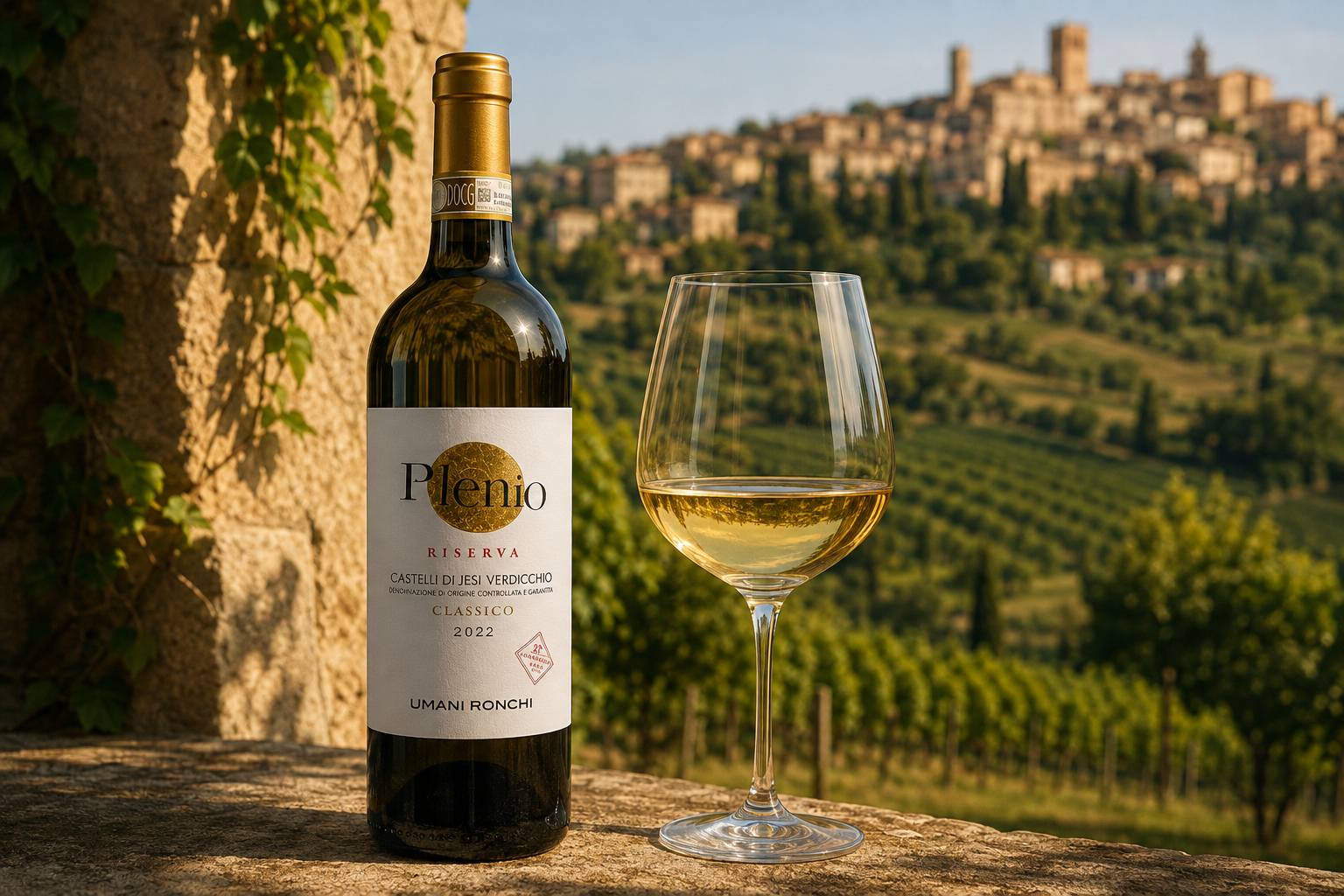
Verdicchio from the Castelli di Jesi hills is one of the clearest examples of how an Italian white wine can combine freshness with serious aging potential. In the Classico Riserva style, the grape moves beyond simple citrus-and-seafood territory: it keeps its characteristic acidity and almond-toned finish, but adds breadth, savory depth, texture and the ability to develop wax, herbs, dried citrus and mineral complexity with bottle age.
The protected DOCG is Castelli di Jesi Verdicchio Riserva, including the Classico version, while older restaurant lists may use Verdicchio dei Castelli di Jesi Classico Riserva. The practical point is that Riserva is a more ambitious, separately regulated expression selected for concentration, maturation and longevity.
What Verdicchio dei Castelli di Jesi Classico Riserva DOCG Is
Castelli di Jesi Verdicchio Riserva DOCG Classico is a dry white wine from the historic Verdicchio zone of the Marche. It is built around Verdicchio, a grape that can look deceptively simple when young but is capable of remarkable development when yields, site selection and cellar work are handled seriously.
The Classico indication refers to the historic heart of the production area around the inland hills west of Ancona. These are not flat coastal vineyards: the landscape is a sequence of ridges, slopes and valleys moving between the Adriatic influence and the Apennine interior. That geography gives producers many exposures and mesoclimates, so style can range from taut and citrus-driven to broader, herbal and almost waxy with age.
For food pairing, the important distinction is between basic youthful Verdicchio and a true Riserva. A young, stainless-steel wine is excellent with simple shellfish and aperitivo foods. A serious Riserva has enough body for richer fish, saffron risotto, chickpea purées, burrata, roast poultry and even carefully handled veal. Bottle age can push the wine further toward mushroom, toasted nut and herb-driven pairings.
The Territory of the Castelli di Jesi Classico Zone
The production area lies primarily in the province of Ancona, with part extending into Macerata. The Classico zone covers the traditional core of the Jesi hills, where vineyards occupy rolling elevations between the Adriatic and the first significant Apennine relief. Sea breezes temper summer heat, while inland air and elevation help preserve night-time freshness.
Soils vary from site to site but commonly include clay, limestone and calcareous components. Rather than producing one uniform flavor, these soils influence water retention, vine vigor and the tactile sensation of the finished wine. In stronger sites, Verdicchio often shows a firm, almost stony palate with a dry saline impression.
The landscape also helps explain why producer style matters so much. Vineyards around Montecarotto, Cupramontana, Maiolati Spontini, Staffolo and neighboring communes can differ in altitude, exposure and proximity to marine influence. A Riserva therefore should not be reduced to one aroma profile. The common thread is structure: enough acidity, dry extract and phenolic character to remain vivid as the wine develops secondary and tertiary notes.
Grapes and Production Rules
The DOCG specification requires Verdicchio to make up at least 85 percent of the wine, with permitted white grapes of the Marche able to account for the remaining share. Many benchmark producers choose to work with 100 percent Verdicchio because the grape already provides the acidity, texture and aromatic identity needed for a complete wine. The Classico designation identifies the historic subzone rather than a different grape composition.
The Riserva category is subject to stricter production and maturation requirements than the basic DOC. Because the official specification was modified again in the 2025–2026 period, exact technical limits should always be checked against the consolidated rules applicable to the vintage rather than repeated from an obsolete summary. What remains essential is that Riserva is a deliberately more selective category, with lower-yield ambitions and extended maturation before release.
In the cellar there is no single mandatory stylistic formula. Stainless steel can preserve citrus, fennel and saline precision; cement may emphasize texture without adding wood flavor; large neutral casks can introduce gentle oxygen exchange; and some producers use smaller oak for part of the wine. The best examples keep the grape recognizable. Oak should frame Verdicchio, not turn it into a generic barrel-fermented white.
How Verdicchio Behaves Here
Verdicchio is naturally useful in the Jesi hills because it combines high acidity with enough extract to avoid tasting thin. In warm years it can reach generous ripeness while still holding a fresh backbone. In cooler or higher sites, citrus, green herbs and a sharper mineral impression become more prominent. The grape also has a slight phenolic grip, especially when skin contact or gentle pressing is managed to preserve structure.
The most recognizable young aromas include lemon, green apple, pear, white flowers, fennel and fresh almond. With time, these can broaden toward ripe yellow fruit, dried citrus peel, chamomile, hay, beeswax and toasted almond. Good Riserva does not simply become softer; it becomes more layered while maintaining a dry, savory finish. This is the key to its usefulness with food.
That evolution also changes pairing strategy. A younger bottle is best when the dish needs cut: fried seafood, raw or marinated fish, shellfish and lemon-driven preparations. A mature bottle can handle creamier risotto, richer shellfish bisque, roast poultry, mushrooms and aged cheeses. Choosing the vintage is therefore part of choosing the pairing.
Tasting Profile
In the glass, a young Classico Riserva is usually straw yellow with green-gold reflections, deepening toward gold as it ages. The nose should be clean and layered rather than overtly tropical. Look for lemon peel, pear, yellow apple, white flowers, anise or fennel, almond and a subtle herbal quality. Some examples show a marine or stone-like impression that reads as salinity rather than literal salt.
On the palate, acidity is the structural engine. The wine is generally medium to full for an Italian white, with a dry profile, moderate phenolic grip and a long finish marked by citrus, herbs and almond. Better Riserva bottlings gain creamy or waxy texture without losing focus. If oak is present, it should appear as breadth, spice or subtle toast rather than sweet vanilla dominating the fruit.
With bottle age, the profile can become surprisingly complex. Honeyed aromas may appear, but the wine should remain dry. Dried flowers, beeswax, hazelnut, preserved lemon and savory herbs can emerge while the acidity keeps the finish alive. Mature Verdicchio can therefore resemble the behavior of far more expensive age-worthy white wines, which is one reason it remains compelling for collectors.
Serving Temperature, Glassware and Decanting
Serve a young or recently released Riserva at about 50–54°F (10–12°C). A more mature bottle can be served slightly warmer, around 54–57°F (12–14°C), because excessive chilling hides the waxy, herbal and nutty details that make aged Verdicchio interesting. Avoid serving it refrigerator-cold. The goal is freshness without suppressing aroma or texture.
Use a medium-to-large white-wine glass with enough bowl volume for the wine to open. Young, tightly wound Riserva can benefit from 15–30 minutes of air, while old bottles should be opened carefully and decanted only when sediment or reduction makes it necessary.Shop the right glassandshop a decanter.
Risotto alla Pescatora (Seafood Risotto)works because shellfish sweetness, seafood stock and the creamy texture of rice need acidity but also body. Choose a younger Riserva with stainless-steel or neutral-vessel aging so citrus and salinity stay clear. The wine cleans the palate between spoonfuls, while its almond and herbal notes echo parsley and the toasted character of properly cooked rice. Avoid heavily oaked versions here, which can obscure delicate shellfish. With Risotto alla Pescatora (Seafood Risotto), choose a bottle that emphasizes acidity, mineral or herbal detail and moderate alcohol; excessive oak or overripeness can flatten the contrast that makes the pairing work.
Fritto Misto di Mare (Italian Mixed Fried Seafood)is one of the most natural matches for Verdicchio. Crisp frying brings fat, salt and browned flavors, all of which benefit from high acidity and a dry finish. Choose a relatively young Classico Riserva with strong citrus energy and little obvious oak. The wine refreshes after each bite, while the characteristic almond bitterness mirrors the toasted edge of the crust without adding sweetness.
Spigola al Sale con Agrumi, Asparagi e Mandorlehas three direct bridges to the wine: citrus, green vegetable character and almond. Salt-baked sea bass remains delicate, so use a precise Riserva rather than a broad barrel-heavy example. A bottle with lemon peel, fennel and saline length will reinforce the fish while enough body carries the asparagus and almonds. A few years of bottle age can add extra nutty depth. With Spigola al Sale con Agrumi, Asparagi e Mandorle, choose a bottle that emphasizes acidity, mineral or herbal detail and moderate alcohol; excessive oak or overripeness can flatten the contrast that makes the pairing work.
Baccalà Confit con Crema di Ceci, Rosmarino e Olio al Peperoncinois richer and more savory than simple grilled fish, making Riserva the right level of Verdicchio. Salt cod, olive oil and chickpea cream require concentration, while rosemary and chile need aromatic lift. Choose a structured bottle with several years of age or lees-derived texture. Acidity keeps the confit from feeling oily and the wine’s herbal, almond-toned finish works naturally with rosemary and chickpeas.
Petto di Pollo allo Zafferano con Porri e Vino Biancoshows why Verdicchio Riserva is not limited to seafood. Chicken and leeks are gentle enough for white wine, but saffron and the reduced sauce add depth. Choose a medium-bodied Riserva with some bottle age and restrained oak. Its acidity brightens the sauce, while yellow-fruit, herb and almond notes sit comfortably beside saffron and sweet leeks without competing with the meat. With Petto di Pollo allo Zafferano con Porri e Vino Bianco, choose a bottle that emphasizes acidity, mineral or herbal detail and moderate alcohol; excessive oak or overripeness can flatten the contrast that makes the pairing work.
Risotto allo Zafferano, Ricotta di Pecora e Timo Limoneneeds a wine that can handle both creamy texture and aromatic precision. A Riserva aged mainly in steel, cement or large neutral wood is ideal. The acidity cuts through butter and ricotta, the wine’s herbal side complements lemon thyme, and subtle almond bitterness prevents the saffron from becoming sweet or heavy on the palate. Choose a bottle with freshness first, not maximum oak concentration.
Paccheri con Favette, Gamberi Rossi, Scorza di Limone e Stracciatellacombines sweet prawns, green fava beans, citrus and fresh dairy, all flavors that line up with Verdicchio’s strengths. Choose a younger Riserva with vivid acidity and a saline finish. The wine lifts the stracciatella, respects the sweetness of the prawns and repeats the green-herb character of the favette. Lemon in the dish also makes a citrus-driven bottle particularly coherent. With Paccheri con Favette, Gamberi Rossi, Scorza di Limone e Stracciatella, choose a bottle that emphasizes acidity, mineral or herbal detail and moderate alcohol; excessive oak or overripeness can flatten the contrast that makes the pairing work.
Fregola Sarda Risottata con Gambero Rosso, Bisque, Burrata e Limoneis the richest seafood pairing in this group. Bisque, toasted fregola and burrata need more body than a simple young Verdicchio can provide. Choose a serious Riserva with lees texture, a few years of bottle age or subtle neutral-oak maturation. Acidity keeps the bisque and burrata under control, while savory almond, citrus peel and herbal notes connect with the toasted pasta and shellfish.
Pairing Principles
With Verdicchio Riserva, think first about acidity, savory depth and texture. The wine succeeds when the dish has enough weight to use its structure but not so much sweetness or char that the white wine disappears. Seafood remains the classic territory, especially shellfish, fried fish, salt cod and richer baked or roasted fish. Olive oil, lemon, parsley, fennel, saffron, chickpeas and almonds are particularly useful flavor bridges.
Vintage and cellar style matter. Young bottles favor dishes where freshness is the priority; mature bottles are better with mushrooms, roast poultry, creamy risotto and aged cheese. Avoid very sweet sauces, aggressive barbecue glaze and intensely spicy dishes, because they can make the wine feel sharper and more alcoholic. Also avoid serving the wine too cold: a Riserva needs enough temperature to show its texture.
Five Verdicchio dei Castelli di Jesi Classico Riserva Producers to Know
Five benchmark names provide a useful map of the category.Villa Bucciis historically central to the reputation of age-worthy Verdicchio and its Riserva has shown how gracefully the grape can evolve.Garofolioffers a broad view of the Jesi tradition, including long-lived selections.Umani Ronchicombines scale with serious vineyard selection and produces Plenio in the Riserva DOCG category.
Two other names are especially useful for understanding stylistic range.Sartarellifocuses almost entirely on Verdicchio and produces Classico wines from sites around Poggio San Marcello, including Riserva-level bottlings such as Milletta and Balciana.Cantina Santa Barbaraunder Stefano Antonucci explores a richer, more contemporary side of Verdicchio, including versions shaped by wood as well as fresher expressions.
Availability in the United States is uneven because importer portfolios change by state and vintage. Villa Bucci and Umani Ronchi are often the easiest benchmark names to encounter in specialist retail, while Garofoli, Sartarelli and Santa Barbara may require a more targeted search. For buying, prioritize importer condition and storage history over chasing a famous vintage, especially with older white wine.
Price and Value
In the U. S. market, basic Verdicchio can be inexpensive, but true Riserva DOCG belongs in a different tier. A practical retail range for serious current-release bottles is roughly $25–$55, with benchmark and mature examples moving above that depending on producer, vintage and provenance. Older Villa Bucci or limited bottlings can cost significantly more. Prices should be treated as market ranges, not fixed denomination values.
The value argument is strong because Verdicchio often offers more aging potential than its price suggests. Buyers who enjoy structured white Burgundy, mature Soave, Fiano or other savory Italian whites can find a similar combination of texture and evolution without automatically entering luxury pricing. The best value usually comes from producers with a documented track record and bottles stored correctly from release.
Aging and Storage
Well-made Classico Riserva can improve for a decade or longer, although not every bottle is intended for the same trajectory. In the first few years, citrus, herbs and almond dominate. With time, the wine can develop beeswax, dried flowers, preserved lemon, hazelnut and savory complexity. High acidity is what makes that evolution possible, but concentration and closure quality matter as well.
Store bottles horizontally in a dark, vibration-free place at about 55°F (13°C), with stable temperature and moderate humidity. For older bottles, provenance matters more than theoretical aging potential. A wine that has spent years in warm retail storage will not behave like the same vintage held in a proper cellar. Once opened, mature Verdicchio is best followed over the meal rather than left for several days.
Common Mistakes
The first mistake is treating Riserva like a simple aperitivo white and serving it at 40°F (4°C). That temperature strips away aroma and texture. The second is assuming every Riserva should be decanted aggressively. Young bottles may benefit from air, but a mature white can lose delicate tertiary aromas if poured into a wide decanter for too long. Taste first, then decide.
The third mistake is choosing food by color rather than structure. White wine does not automatically require delicate food. Verdicchio Riserva can handle saffron, chickpeas, poultry, burrata, mushrooms and richer fish because acidity and extract give it authority. Conversely, heavily sweetened sauces or very spicy dishes can be poor matches even if the protein is fish or chicken.
Wine Spectator and Zafferano & Co. Rating
Wine Spectator does not assign one score to the entire Castelli di Jesi Verdicchio Riserva DOCG denomination. Any Wine Spectator number belongs to a specific producer, wine and vintage, so a denomination-wide score would be misleading. When evaluating a bottle, check the exact label and vintage rather than transferring a review from another producer to the whole category.
Zafferano & Co. rating: ★★★★☆. The category earns four stars for its combination of regional identity, aging ability, food versatility and value. The highest-performing bottles can reach a much more serious level than the price category suggests, but producer and vintage variation remain important enough that the denomination should not be treated as automatically uniform.
Why Verdicchio dei Castelli di Jesi Classico Riserva DOCG Matters
Verdicchio matters because it challenges the idea that Italy’s great age-worthy wines must be red. In the Jesi hills, a native white grape can deliver acidity, texture, territorial character and long bottle evolution without relying on residual sugar or excessive oak. The Riserva category makes that point most clearly, especially when tasted beside younger DOC bottlings from the same producer.
It also matters at the table. Few white wines move so naturally from fried seafood to shellfish risotto, salt cod, saffron, white meat and mature cheese while remaining recognizably Italian. For a restaurant cellar or serious home collection, a few bottles at different ages provide more pairing flexibility than many fashionable whites that are designed mainly for early drinking.


Comments