
Italian Hunter Style Braised Hare | Lepre alla Cacciatora
Updated: 3 days ago

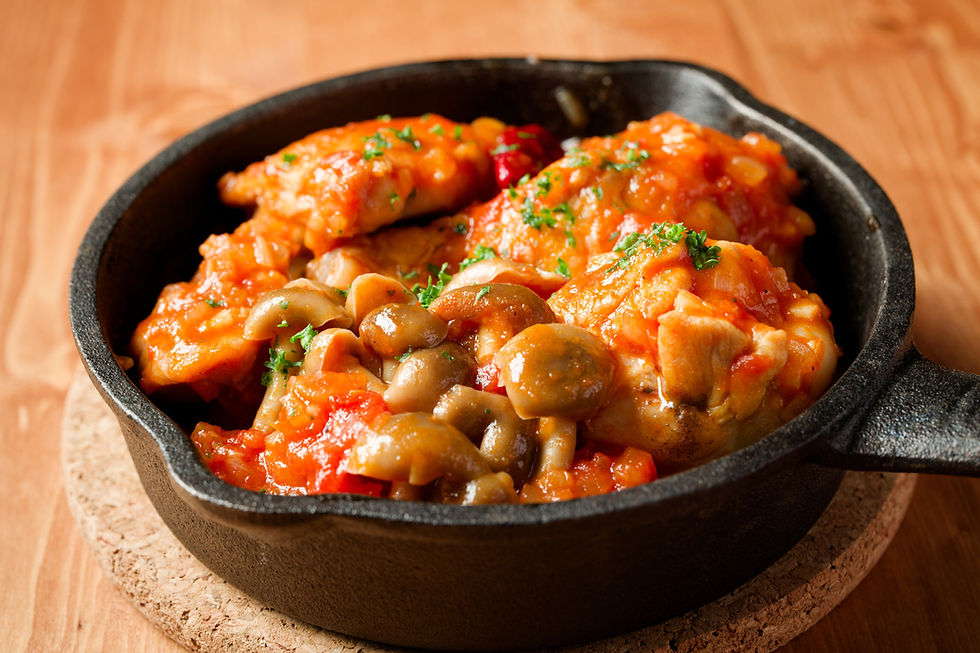
Coniglio alla Cacciatora Cuisine: Italian Tradition: Central and Northern Italian Game Cookery Primary Technique: Marination, searing, braising, reduction and glazing Serves: 4–6 Preparation: 45 minutes Marination: 12–24 hours Cooking Time: approximately 2½–3½ hours Oven Temperature: 325°F The Dish Lepre alla Cacciatora is one of the most expressive preparations of traditional Italian game cookery. The term “alla cacciatora” literally means “hunter-style” and refers not to one rigid national recipe, but to a family of rustic preparations associated with hunters and rural cooking traditions. Game was traditionally prepared with ingredients capable of complementing its naturally assertive flavor: wine, aromatic vegetables, garlic, rosemary, sage, juniper, bay leaf and, depending on the regional interpretation, tomato, olives or vinegar. Among these preparations, hare occupies a particularly important position. Unlike farmed rabbit, hare is genuine game meat. It is darker, leaner, more muscular and substantially more intense in flavor. Proper preparation therefore requires a different technical approach. A well-executed Lepre alla Cacciatora should preserve the character of the game without allowing it to become aggressive. The finished meat should be tender but structured, the sauce deeply aromatic and naturally gelatinous, and the wine reduction should complement rather than conceal the flavor of the hare. Hare or Rabbit? This preparation can also be made with rabbit , but the two meats should not be treated as interchangeable from a technical perspective. Hare — Lepre Hare is: darker in color leaner more muscular more intensely flavored richer in iron and game character generally firmer in texture For these reasons, hare benefits significantly from a 12–24 hour wine marinade and requires a longer, slower braise. Rabbit — Coniglio Rabbit is: paler more delicate naturally sweeter less gamey more tender quicker to cook Rabbit normally does not require a prolonged marinade . If using rabbit instead of hare, a short aromatic marinade of 2–4 hours is sufficient, and in many cases it can be omitted entirely. Rabbit should also be cooked for a shorter period to avoid drying the meat. Cooking Adjustment for Rabbit For rabbit, begin checking tenderness after approximately 60–75 minutes of gentle braising. Depending on the size and age of the animal, total cooking time will generally be approximately 75–100 minutes , substantially less than for hare. The sauce and preparation method can otherwise remain essentially the same. Understanding the Meat Hare is one of the leanest meats used in traditional European cooking. Because the animal is extremely active, its muscles contain very little intramuscular fat and considerably more developed connective tissue than domestic rabbit. That creates two challenges: moisture retention and connective-tissue breakdown The meat must therefore be cooked gently enough to prevent excessive tightening of the muscle fibers while remaining in a moist cooking environment long enough for connective tissue to soften. This is why controlled braising is particularly effective. The wine marinade contributes aroma and surface seasoning, but it does not magically tenderize the entire animal. Tenderness is primarily achieved through temperature, moisture and time .
The Story
Coniglio alla Cacciatora Cuisine: Italian Tradition: Central and Northern Italian Game Cookery Primary Technique: Marination, searing, braising, reduction and glazing Serves: 4–6 Preparation: 45 minutes Marination: 12–24 hours Cooking Time: approximately 2½–3½ hours Oven Temperature: 325°F The Dish Lepre alla Cacciatora is one of the most expressive preparations of traditional Italian game cookery. The term “alla cacciatora” literally means “hunter-style” and refers not to one rigid national recipe, but to a family of rustic preparations associated with hunters and rural cooking traditions. Game was traditionally prepared with ingredients capable of complementing its naturally assertive flavor: wine, aromatic vegetables, garlic, rosemary, sage, juniper, bay leaf and, depending on the regional interpretation, tomato, olives or vinegar. Among these preparations, hare occupies a particularly important position. Unlike farmed rabbit, hare is genuine game meat. It is darker, leaner, more muscular and substantially more intense in flavor. Proper preparation therefore requires a different technical approach. A well-executed Lepre alla Cacciatora should preserve the character of the game without allowing it to become aggressive. The finished meat should be tender but structured, the sauce deeply aromatic and naturally gelatinous, and the wine reduction should complement rather than conceal the flavor of the hare. Hare or Rabbit? This preparation can also be made with rabbit , but the two meats should not be treated as interchangeable from a technical perspective. Hare — Lepre Hare is: darker in color leaner more muscular more intensely flavored richer in iron and game character generally firmer in texture For these reasons, hare benefits significantly from a 12–24 hour wine marinade and requires a longer, slower braise. Rabbit — Coniglio Rabbit is: paler more delicate naturally sweeter less gamey more tender quicker to cook Rabbit normally does not require a prolonged marinade . If using rabbit instead of hare, a short aromatic marinade of 2–4 hours is sufficient, and in many cases it can be omitted entirely. Rabbit should also be cooked for a shorter period to avoid drying the meat. Cooking Adjustment for Rabbit For rabbit, begin checking tenderness after approximately 60–75 minutes of gentle braising. Depending on the size and age of the animal, total cooking time will generally be approximately 75–100 minutes , substantially less than for hare. The sauce and preparation method can otherwise remain essentially the same. Understanding the Meat Hare is one of the leanest meats used in traditional European cooking. Because the animal is extremely active, its muscles contain very little intramuscular fat and considerably more developed connective tissue than domestic rabbit. That creates two challenges: moisture retention and connective-tissue breakdown The meat must therefore be cooked gently enough to prevent excessive tightening of the muscle fibers while remaining in a moist cooking environment long enough for connective tissue to soften. This is why controlled braising is particularly effective. The wine marinade contributes aroma and surface seasoning, but it does not magically tenderize the entire animal. Tenderness is primarily achieved through temperature, moisture and time .
Ingredients
For the recipe
Hare
1 whole hare, approximately 4–5 lb, cleaned and cut into serving pieces
Kosher salt
Freshly ground black pepper
3 tbsp extra-virgin olive oil
For the Marinade
1 bottle dry Italian red wine, 750 ml
1 medium onion, sliced
1 carrot, sliced
1 celery stalk, sliced
3 garlic cloves, lightly crushed
2 rosemary sprigs
5 sage leaves
3 thyme sprigs
2 bay leaves
8 juniper berries, lightly crushed
8 black peppercorns
2 strips lemon peel
For the Braise
1 large yellow onion, finely diced
2 carrots, finely diced
2 celery stalks, finely diced
3 garlic cloves, lightly crushed
2 tbsp tomato paste
1½ cups dry red wine
2–3 cups unsalted game, chicken or veal stock
1 tbsp red wine vinegar
1 rosemary sprig
4 sage leaves
2 thyme sprigs
1 bay leaf
5 juniper berries, lightly crushed
Optional Regional Element
½ cup Italian black olives
The olives are optional and should be used only if they complement the regional interpretation you want to present.
To Finish the Sauce
1 tbsp cold unsalted butter
1–2 tsp aged balsamic vinegar, only if required
Extra-virgin olive oil
Kosher salt
Preparing the Ingredients
Lepre alla Cacciatora should taste unmistakably of game. The purpose of wine, juniper, rosemary, sage and vegetables is not to disguise the hare but to frame its natural character. Marinate the hare long enough to perfume the meat, dry it thoroughly, develop a serious Maillard crust and reduce the wine before introducing the stock.
Building the Flavor Base
Braise gently and evaluate each section independently. When the meat reaches the correct tenderness, remove it immediately and allow the sauce to continue developing on its own.
Cooking the Main Component
Strain the cooking liquid, remove excess fat, reduce it to a natural jus and finish it with only enough butter to provide balance and gloss. For my preferred presentation, I would serve a glazed hind leg over
Developing Texture
soft polenta , accompanied by roasted cipollini onions or braised Savoy cabbage and finished with the concentrated cacciatora jus. And when hare is unavailable,
Balancing the Seasoning
rabbit is an excellent alternative — but it must be treated as the more delicate meat that it is, with a substantially shorter marinade and cooking time.
Finishing the Dish
The technique should adapt to the ingredient. That is the difference between simply following a recipe and understanding how to cook.
Plating
Professional Technique
Professional execution depends on temperature control, sequencing, and visual cues. Keep the work area organized and move to the next stage only when the current component has reached the correct texture.
Texture and Moisture Control
Control moisture deliberately. Excess liquid weakens flavor and structure, while excessive heat or reduction can dry the main ingredient. Adjust gradually and allow each addition to integrate before making another correction.
Professional Mise en Place
Complete the mise en place before cooking begins. Measure ingredients, prepare garnishes and finishing elements, organize pans and utensils, and keep temperature-sensitive ingredients refrigerated until needed.
Chef Tips
Lepre alla Cacciatora should taste unmistakably of game. The purpose of wine, juniper, rosemary, sage and vegetables is not to disguise the hare but to frame its natural character. Marinate the hare long enough to perfume the meat, dry it thoroughly, develop a serious Maillard crust and reduce the wine before introducing the stock. Braise gently and evaluate each section independently. When the meat reaches the correct tenderness, remove it immediately and allow the sauce to continue developing on its own. Strain the cooking liquid, remove excess fat, reduce it to a natural jus and finish it with only enough butter to provide balance and gloss. For my preferred presentation, I would serve a glazed hind leg over soft polenta , accompanied by roasted cipollini onions or braised Savoy cabbage and finished with the concentrated cacciatora jus. And when hare is unavailable, rabbit is an excellent alternative — but it must be treated as the more delicate meat that it is, with a substantially shorter marinade and cooking time. The technique should adapt to the ingredient. That is the difference between simply following a recipe and understanding how to cook.
Common Mistakes
Avoid rushing the preparation, overcrowding pans, adding excess liquid, overcooking the main ingredient, or making large seasoning corrections at the end.
Wine Pairing
Fiano di Avellino DOCG — A balanced pairing chosen to support the structure, richness, acidity, and aromatic profile of the dish.
Vermentino di Gallura DOCG — A balanced pairing chosen to support the structure, richness, acidity, and aromatic profile of the dish.
Etna Bianco DOC — A balanced pairing chosen to support the structure, richness, acidity, and aromatic profile of the dish.
Bardolino DOC — A balanced pairing chosen to support the structure, richness, acidity, and aromatic profile of the dish.
Alta Langa DOCG — A balanced pairing chosen to support the structure, richness, acidity, and aromatic profile of the dish.
Storage
Cool leftovers promptly and refrigerate in an airtight container for up to 3 days. Reheat gently with a small amount of stock, water, or sauce as appropriate. Avoid repeated reheating because it damages texture and can dry proteins or overcook starches. Chef Gianluca




Comments