

Must Know: Ingredients (Instant Yeast)
Updated: Sep 6
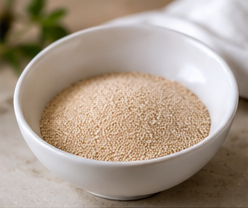
The Essential Difference
Instant yeast is finely granulated and fast-acting, allowing direct mixing into flour. The key to using instant yeast well is understanding what it contributes to structure, flavor and technique rather than treating it as a generic pantry item.
What Is Instant Yeast?
Instant Yeast should be understood by its composition, processing and culinary behavior. Those factors determine how it reacts to heat, moisture, fat, acidity and mixing, and they explain why substitutions can change a recipe substantially.
How It Behaves in Cooking
In professional cooking, instant yeast is added with a purpose. Temperature, timing and proportion matter. Small changes can affect texture, aroma, stability and the final balance of the dish.
How It Is Used in Italian Cooking
Italian cooking values ingredients for function as much as flavor. Instant Yeast can appear in traditional preparations, regional cooking or modern Italian technique depending on the ingredient and the desired result. The best use is controlled and should support the principal ingredients rather than overwhelm them.
How to Choose It
Choose instant yeast based on freshness, clean aroma, appropriate texture and reliable quality. Packaging should be intact and the ingredient should show no signs of staleness, moisture damage or off aromas.
Storage
Store instant yeast according to its natural stability. Keep dry ingredients sealed away from heat and humidity, and refrigerate perishable ingredients promptly. Proper storage protects both flavor and technical performance.
Common Mistakes
The most common mistake is using instant yeast automatically without considering its specific role. Measure carefully, respect temperature and timing, and do not assume that a similar ingredient will behave identically.
Chef Tip
Before changing the quantity of instant yeast, identify what problem you are trying to solve: flavor, moisture, structure, acidity, richness or texture. Adjust only the variable that actually needs correction.


Comments