
Must Know: Ingredients (White Chocolate)
Updated: Sep 6
The Essential Difference
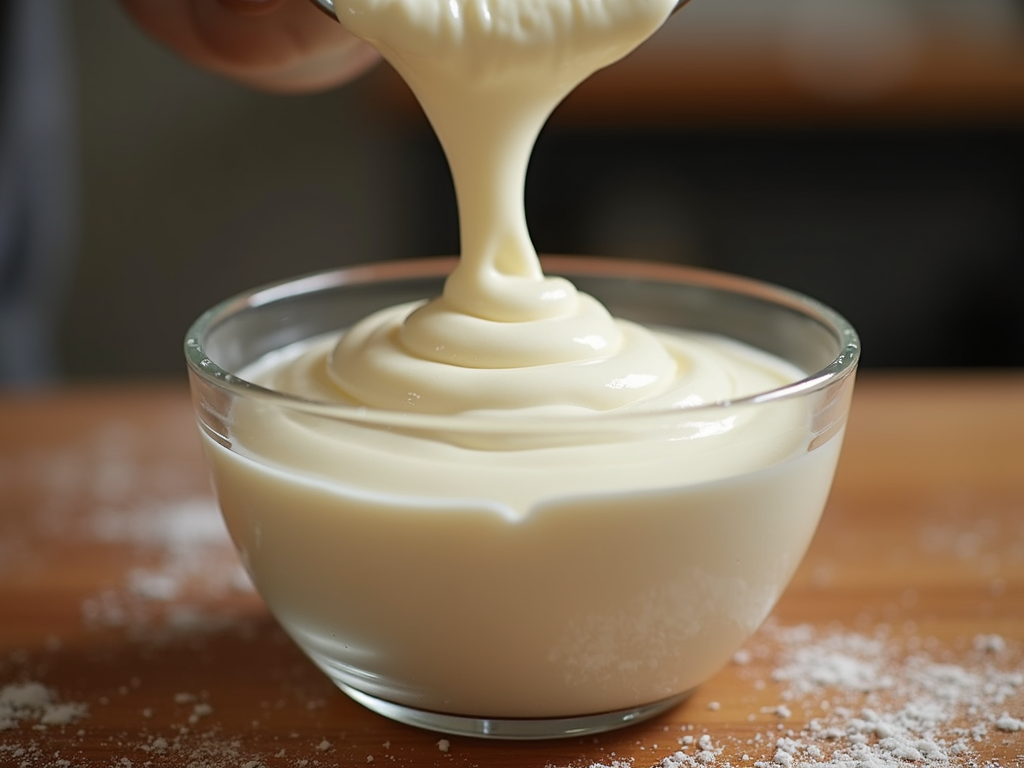
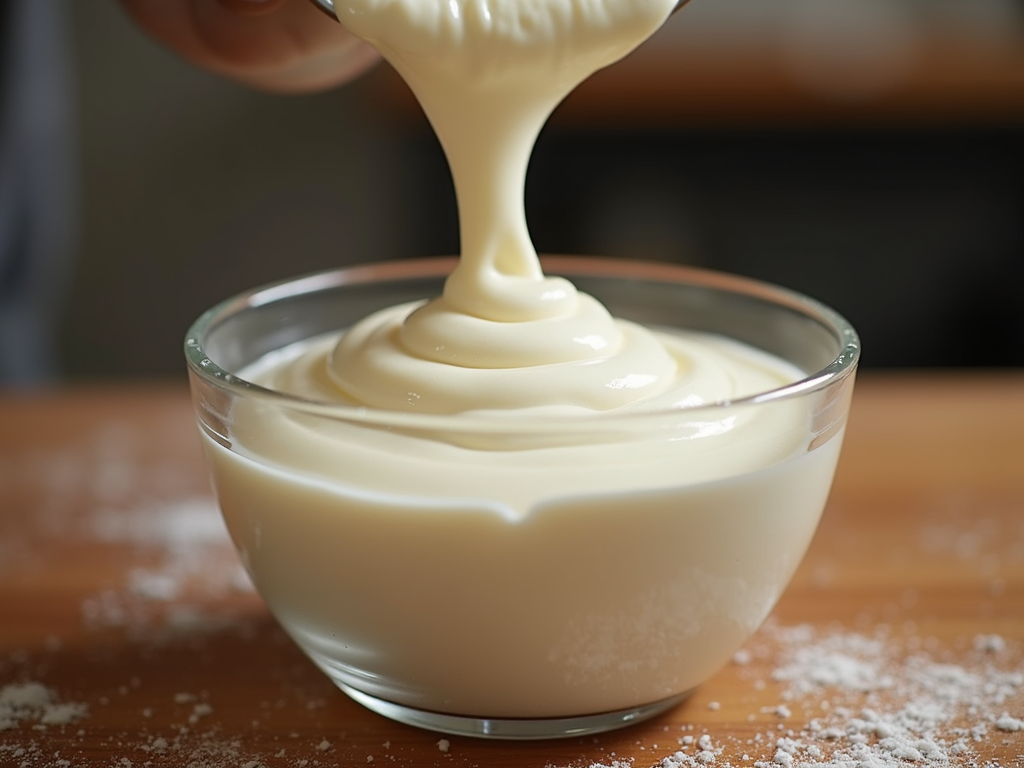
White chocolate contains cocoa butter, sugar and milk solids but no cocoa solids.
What Is White Chocolate?
White Chocolate is best understood by looking at its composition, processing and culinary function. Those factors determine how it behaves in pastry, cooking and finishing.
How It Behaves in the Kitchen
Its flavor is creamy, sweet and strongly influenced by the quality of the cocoa butter and vanilla.
Professional Use
Because it is high in fat and sugar, balance it with acidity, salt, fruit or toasted flavors.
Buying and Quality
Choose white chocolate with clean aroma, appropriate color and no signs of staleness, moisture damage or off flavors. Buy according to the intended preparation rather than treating every version as interchangeable.
Storage
Protect white chocolate from excess heat, humidity, light and strong surrounding odors. Once opened, airtight storage helps preserve its intended flavor and functional qualities.
Common Mistake
A common mistake is using white chocolate by habit without considering concentration, moisture, particle size or intensity. Measure carefully, taste and adjust to the final balance.
Chef Tip
Decide what job white chocolate must perform—sweetness, aroma, structure, moisture, texture or finishing—and add it at the stage where that function is most effective.


Comments