
Must Know: Destinazioni Italiane per Cibo Storia e Cultura (Italian Destinations for Food History and Culture)
Updated: Aug 30
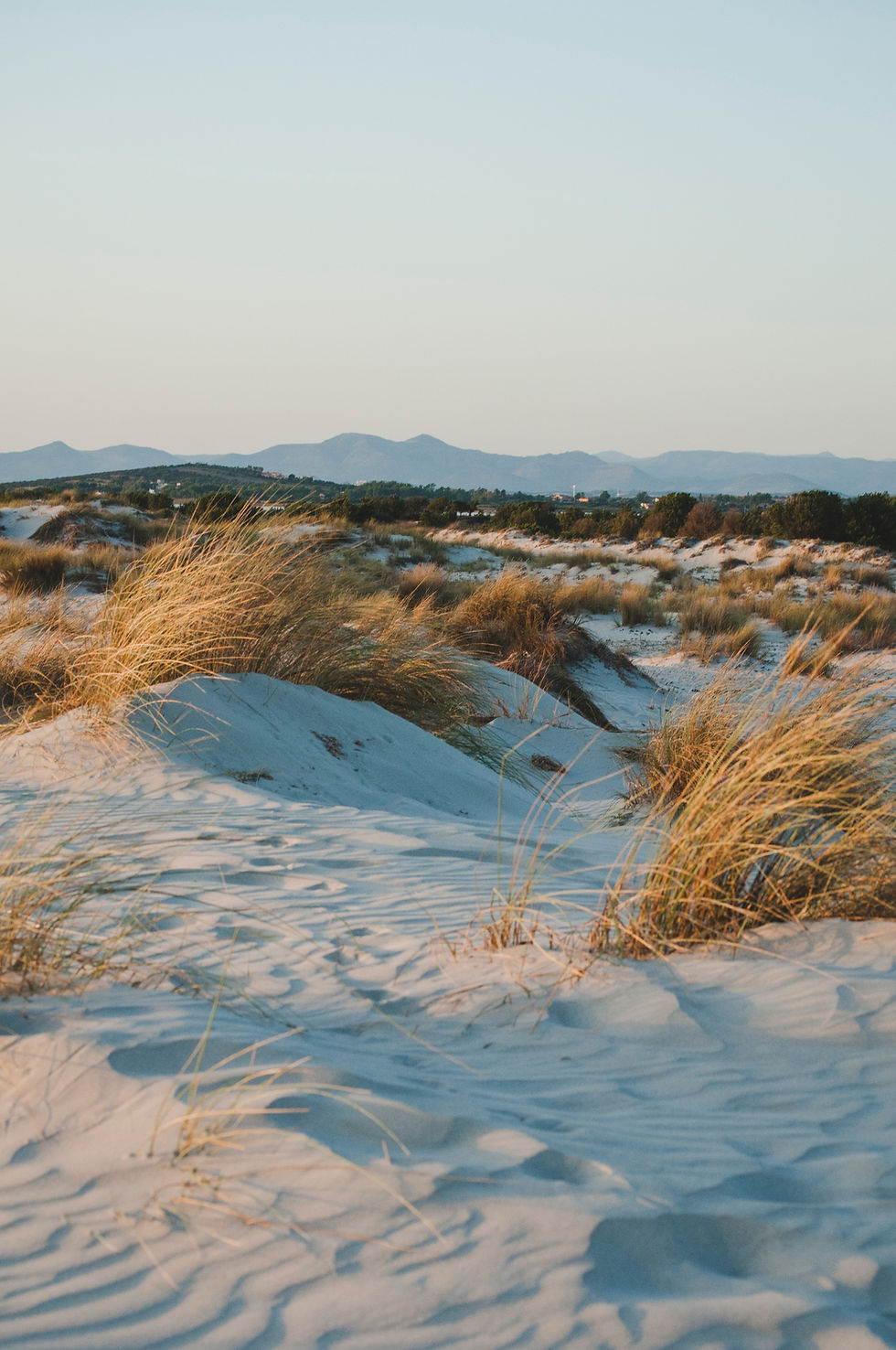
Must-See Destinations for Food, History & Culture by Chef Gianluca Deiana Abis
Here’s a detailed guide to what I’d explore in different regions and why each is special:
1. Rome – The Eternal City
📍 Why visit? Rome is the heart of ancient history, offering a mix of ruins, art, and vibrant city life. It’s a must-see for first-time travelers.
✅ Colosseum & Roman Forum – Walk through the gladiatorial battleground and the political center of ancient Rome.
✅ Vatican City – Marvel at the Sistine Chapel’s ceiling by Michelangelo and visit St. Peter’s Basilica.
✅ Pantheon – A masterpiece of Roman engineering and one of the best-preserved ancient buildings.
✅ Trevi Fountain – Toss a coin and make a wish, then enjoy a gelato nearby.
✅ Trastevere – Wander the charming streets and enjoy authentic Roman dishes like Cacio e Pepe or Carbonara.
2. Florence – The Birthplace of the Renaissance
📍 Why visit? Florence is an open-air museum, packed with masterpieces from Michelangelo, Leonardo da Vinci, and Botticelli.
✅ Uffizi Gallery – Home to iconic paintings like Botticelli’s The Birth of Venus.
✅ Ponte Vecchio – A historic bridge lined with jewelry shops, offering a perfect sunset view.
✅ Duomo & Brunelleschi’s Dome – Climb to the top for an unparalleled view of Florence.
✅ Accademia Gallery – See Michelangelo’s David in person.
✅ Tuscan Cuisine – Try Bistecca alla Fiorentina (Florentine steak) and Chianti wine.
3. Venice – The Floating City
📍 Why visit? Venice is a city of canals, stunning architecture, and romantic charm.
✅ Grand Canal & Gondola Ride – Experience Venice’s waterways and picturesque bridges.
✅ Piazza San Marco & St. Mark’s Basilica – Admire golden mosaics and stunning Byzantine architecture.
✅ Doge’s Palace & Bridge of Sighs – Explore the history of Venetian rulers.
✅ Murano & Burano Islands – Visit Murano for glass-blowing art and Burano for its colorful fishermen’s houses.
✅ Seafood Delicacies – Enjoy Sarde in Saor (sweet and sour sardines) and Risotto al Nero di Seppia (black squid ink risotto).
4. Milan – Italy’s Fashion and Design Capital
📍 Why visit? Milan is the modern heartbeat of Italy with a deep-rooted historical and artistic side.
✅ Duomo di Milano – One of the most beautiful cathedrals in the world with a rooftop view.
✅ Galleria Vittorio Emanuele II – A luxurious shopping gallery with historic cafés.
✅ The Last Supper – See Leonardo da Vinci’s masterpiece at Santa Maria delle Grazie.
✅ Brera District – A charming neighborhood filled with boutiques, art galleries, and cafés.
✅ Aperitivo Culture – Enjoy a Milanese Negroni Sbagliato and small bites before dinner.
5. Naples & The Amalfi Coast – Where History Meets Coastal Beauty
📍 Why visit? Naples is the birthplace of pizza, and the Amalfi Coast is one of the most breathtaking places in Italy.
✅ Naples’ Historic Center – Explore Spaccanapoli, San Gregorio Armeno, and underground tunnels.
✅ Authentic Pizza Napoletana – Try Margherita pizza at L’Antica Pizzeria da Michele.
✅ Pompeii & Herculaneum – Walk through ancient cities frozen in time by the eruption of Mount Vesuvius.
✅ Positano & Amalfi Coast – Colorful cliffside villages, crystal-clear water, and fresh seafood dishes.
✅ Capri & The Blue Grotto – A boat ride into the glowing blue cave is an unforgettable experience.
6. Sicily – A Blend of Cultures & Flavors
📍 Why visit? Sicily offers an incredible mix of Greek, Roman, and Arabic influences.
✅ Palermo’s Markets & Street Food – Taste Arancini, Panelle, and Sfincione (Sicilian-style pizza).
✅ Valley of the Temples in Agrigento – Majestic Greek ruins overlooking the Mediterranean.
✅ Mount Etna – Hike Europe’s highest and most active volcano.
✅ Taormina & Isola Bella – A postcard-perfect town with a stunning Greek theatre.
✅ Cannonau & Nero d’Avola Wines – Sample some of the best full-bodied red wines.
7. Sardinia – The Island of Longevity
📍 Why visit? Sardinia is home to some of the longest-living people in the world, thanks to their healthy lifestyle and diet.
✅ Costa Smeralda – Pristine beaches with turquoise waters.
✅ Alghero & Bosa – Stunning medieval towns with Catalan influences.
✅ Cannonau Wine & Sardinian Cuisine – Try Porceddu (roast suckling pig) and Malloreddus (Sardinian gnocchi).
✅ Blue Zone Secrets – Learn about Sardinia’s longevity through diet, wine, and active lifestyle.
✅ Su Nuraxi di Barumini – Prehistoric stone fortresses unique to Sardinia.
8. Bologna – Italy’s Food Capital
📍 Why visit? Bologna is where Italy’s most famous dishes were born.
✅ Piazza Maggiore & Due Torri – The heart of the city with medieval towers.
✅ Bologna’s Porticoes – Endless covered walkways perfect for strolling.
✅ Authentic Bolognese Cuisine – Eat Tagliatelle al Ragù (never Spaghetti Bolognese!) and Tortellini in Brodo.
✅ Quadrilatero Market – Discover fresh cheeses, cured meats, and traditional balsamic vinegar.
✅ University of Bologna – The oldest university in the world, founded in 1088.
9. Turin – The Royal City & Chocolate Heaven
📍 Why visit? Turin is elegant, rich in history, and famous for chocolate.
✅ Piazza Castello & Mole Antonelliana – The city’s main landmarks.
✅ Egyptian Museum – The most important collection of Egyptian artifacts outside of Egypt.
✅ Gianduja & Bicerin – Taste the chocolate-hazelnut spread that inspired Nutella and a rich coffee-chocolate drink.
✅ Royal Palaces – Explore the grandeur of Italy’s former capital.
✅ Slow Food Movement – Turin is the birthplace of Italy’s farm-to-table philosophy.
10. Verona – The City of Love
📍 Why visit? Famous for Romeo & Juliet, Verona is a romantic city with beautiful architecture.
✅ Juliet’s House & Balcony – Even if fictional, it’s a must-see for romantics.
✅ Arena di Verona – An ancient Roman amphitheater that hosts incredible opera performances.
✅ Ponte Pietra & Castelvecchio – Beautiful medieval bridges and castles.
✅ Valpolicella Wine Country – Try Amarone and Ripasso wines.
✅ Traditional Cuisine – Eat Pastissada de Caval (horse meat stew) and Pandoro (Verona’s famous Christmas cake).
Final Thoughts
Italy is a country that never stops amazing travelers. Whether you’re looking for history, culture, food, wine, or natural beauty, there’s always something magical waiting to be discovered. Each city and region tells a different story, making Italy one of the most diverse and captivating places in the world.
Which of these destinations excites you the most?
Rome
Milan
Sardinia
Venice
How to Choose Destinations for Food, History and Culture
The best Italian destinations are not necessarily the places with the longest lists of monuments. A serious itinerary asks three questions: what historical layers can be experienced here, what local culture still shapes daily life, and what foods or products belong specifically to this place? When all three overlap, travel becomes more than sightseeing. The city, landscape, and table begin explaining one another.
Bologna, Food Knowledge in Urban Form
Bologna is one of Italy’s strongest destinations for travelers who want food and history in equal measure. Its medieval center, porticoes, university tradition, markets, and surrounding agricultural economy create a natural bridge between culture and cuisine. Tagliatelle al ragù, tortellini, mortadella, lasagne verdi, and local cured meats belong to a broader Emilian system that extends toward Modena, Parma, and Reggio Emilia. Bologna also works as a base for visiting producers whose protected products require highly specific methods.
Palermo, Mediterranean Layers
Palermo compresses centuries of Mediterranean history into architecture and food. Arab-Norman monuments, markets, churches, palaces, street stalls, and neighborhood life coexist within a dense urban environment. The city’s food reflects exchange and adaptation: panelle, arancine, sfincione, pasta con le sarde, spleen sandwiches, cassata, cannoli, citrus, almonds, and pistachios each connect to different historical layers. Palermo is not polished into one aesthetic, and that complexity is exactly its value.
Naples, Archaeology and Street Culture
Few cities connect elite art and popular food as dramatically as Naples. Greek and Roman history, Spanish rule, Bourbon architecture, churches, underground sites, music, street life, and one of the world’s most influential pizza traditions all occupy the same city. Nearby Pompeii, Herculaneum, Vesuvius, the Phlegraean Fields, and the royal palace at Caserta turn the region into one of Europe’s richest historical travel corridors.
Matera and Basilicata
Matera’s Sassi are among Italy’s most extraordinary urban landscapes, but Basilicata deserves attention beyond one famous view. The region’s inland geography produced resilient food traditions based on bread, legumes, peppers, wheat, pork, and sheep products. Matera demonstrates how architecture, poverty, modernization, conservation, and tourism can all reshape the meaning of a place within a few generations.
Lecce and the Salento
Lecce offers a different southern experience: exuberant Baroque stonework, piazzas, churches, and a food culture connected to the Salento peninsula. Pasticciotto, rustico leccese, puccia, vegetables, legumes, seafood, olive oil, and local wines create a cuisine rooted in the agricultural and coastal environment. Smaller towns, masserie, and the two surrounding seas make the area especially rewarding for travelers willing to leave the largest urban centers.
Turin and Piedmont
Turin combines royal architecture, industrial history, cafés, chocolate, aperitivo culture, museums, and one of Italy’s most sophisticated regional cuisines. Outside the city, Langhe and Roero landscapes connect wine, hazelnuts, cheeses, truffles, and rural villages. Barolo and Barbaresco are not merely bottle labels when experienced in the hills where Nebbiolo is grown; the landscape makes the wine’s identity easier to understand.
Trieste, a Border City
Trieste is one of the clearest examples of Italy’s cultural complexity. Its architecture and café traditions reflect centuries under the Habsburg world, while Italian, Slovenian, Jewish, Adriatic, and Central European histories meet in the city and surrounding Karst. Local food moves easily between seafood, jota, cured meats, pastries, coffee, and wines from nearby limestone soils. It is an ideal destination for anyone who thinks Italian culture has one uniform form.
Cagliari and Southern Sardinia
Cagliari combines Phoenician and Roman archaeology, a fortified historic center, wetlands, beaches, markets, and access to one of the Mediterranean’s most distinctive island cultures. A traveler can move from bottarga and seafood to inland cheeses, breads, handmade pasta, roast meats, Cannonau, Vermentino, and Carignano without leaving Sardinia. The island becomes far more meaningful when coastal travel is paired with archaeological and inland cultural sites.
Ravenna, Where Mosaics Change the Scale of History
Ravenna is essential for understanding the transition from the Roman Empire to Late Antiquity and Byzantine Italy. Its mosaics are among the great artistic achievements of Europe. Yet the city is often easier to experience than more crowded destinations. The surrounding Romagna adds piadina, fresh pasta, seafood, Sangiovese, and agricultural traditions, making Ravenna a strong example of how major art and everyday food culture can coexist without overwhelming tourism.
The Value of Secondary Cities
Italy’s most famous destinations deserve their reputation, but secondary cities often provide stronger access to ordinary life. Mantua, Ferrara, Parma, Perugia, Ascoli Piceno, Orvieto, Ragusa, Noto, Nuoro, Udine, Aosta, and dozens of others contain architecture, markets, regional dishes, and local festivals without requiring every day to revolve around the largest tourist attractions. The objective is not to avoid famous Italy; it is to connect famous Italy with the places that explain it.
A Destination Is Better When You Understand Its Table
Before traveling, learn five local foods, one wine or beverage, one market, one historical event, and one craft associated with the destination. That small amount of preparation changes how streets and menus are read. Italy becomes less a collection of picturesque backdrops and more a network of communities whose identities were built through geography, labor, trade, religion, migration, and food.
Orvieto, A City Built Above and Below Ground
Orvieto rises dramatically from volcanic tuff, giving the city a natural defensive profile and one of Italy’s great Gothic cathedrals. Beneath the streets, caves and passages reveal centuries of adaptation to the geology. Local white wine, olive oil, pork, game, and Umbrian cooking connect the monumentality above ground with an agricultural landscape surrounding the cliff.
Mantua, Renaissance Power Without the Crowds of Florence
Mantua was shaped by the Gonzaga court and remains one of northern Italy’s richest Renaissance cities. Palazzo Ducale, Palazzo Te, lakes, arcades, and a distinctive Lombard-Emilian food culture reward more than a day trip. Tortelli di zucca, risotto alla pilota, mostarda, salumi, and local sweets demonstrate the sweeter-spiced profile that appears in parts of the Po Valley.
Ascoli Piceno, Travertine and Olive Ascolane
Ascoli Piceno is built in luminous travertine and centered on one of Italy’s most harmonious piazzas. It also gives a famous local food a real context. Olive ascolane are not simply fried stuffed olives found anywhere; they belong to a particular city and surrounding territory. Eating them there while exploring the Marche interior turns a familiar appetizer into regional history.
Ragusa, Modica and Noto
Southeastern Sicily offers a concentrated route through late Baroque cities rebuilt after the devastating 1693 earthquake. Ragusa Ibla, Modica, and Noto combine architecture with food traditions involving almonds, citrus, chocolate, cheeses, pastries, vegetables, and wines from the Val di Noto. The area demonstrates how disaster, rebuilding, agriculture, and cultural exchange can shape a recognizable regional identity.
Bergamo, Two Cities in One
Bergamo’s upper and lower cities provide a compact encounter with Lombard urban history. Venetian walls surround Città Alta, while the modern lower city reflects later development. Polenta, casoncelli, cheeses from nearby valleys, and local baking traditions connect the city to Alpine and pre-Alpine agriculture. It is close enough to Milan for easy access but culturally distinct enough to deserve its own stay.
Genoa, A Maritime Republic at the Table
Genoa’s old port, steep alleys, palaces, churches, and mercantile history explain a cuisine that looks outward to the Mediterranean while remaining tied to a narrow coastal landscape. Pesto, focaccia, farinata, vegetable pies, stuffed vegetables, seafood, and preserved foods reflect a city where trade wealth and difficult agricultural terrain coexisted. Ligurian food makes far more sense after seeing how mountains fall almost directly into the sea.
Why Historic Food Shops Matter
Italy’s cultural heritage is not limited to monuments. Bakeries, salumerie, pastry shops, cafés, wine bars, cheese shops, and family groceries can preserve techniques and social habits for generations. A historic shop may reveal how residents actually eat more effectively than a restaurant designed entirely for visitors. Look for specialization, local clientele, seasonal products, and clear regional identity rather than simply age.
Protecting Places From Overtourism
Travel choices have consequences. Concentrating every visitor in Venice, Florence, Rome, Cinque Terre, and a few famous coastal towns raises housing pressure, congestion, and infrastructure strain while many other Italian communities seek sustainable tourism. Adding secondary destinations is not charity; it often produces a richer journey. Spending on local lodging, guides, producers, and independent businesses keeps more value inside the community being visited.
The Best List Is a Starting Point, Not a Ranking
No serious list can identify ten or twenty objectively “best” Italian places because the answer depends on interests, season, mobility, budget, and pace. Food travelers may prioritize Emilia Romagna and Piedmont. Archaeology lovers may build around Rome, Campania, Sicily, and Sardinia. Art travelers may focus on Tuscany, Umbria, Veneto, and Lombardy. The purpose of a guide is to open routes, not to reduce Italy to a leaderboard.


Comments