
Wine Pairing: Piper-Heidsieck Vintage 2018
Updated: 4 days ago
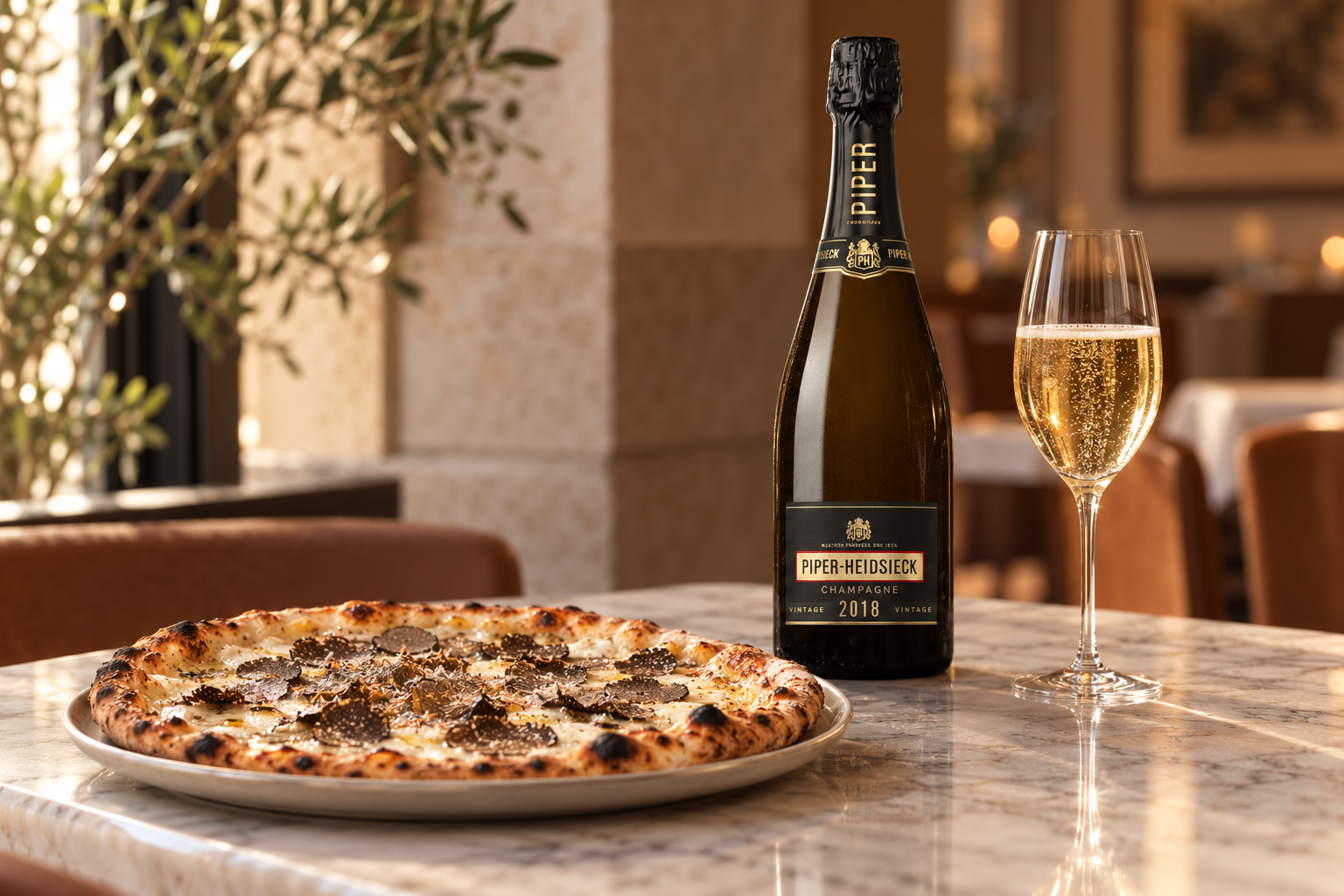
Piper-Heidsieck Vintage 2018 is a luminous, fruit-driven Brut Champagne made for the table. It combines equal proportions of white and black grapes—50% Chardonnay, 47% Pinot Noir and 3% Meunier—from 16 selected crus, with Grand and Premier Cru sites playing the leading role. Five years on the lees give the wine breadth and a refined mousse, while a dosage of 7 grams per liter keeps its ripe character precise.
The vintage is expressive rather than austere. Nectarine, red berries, raspberry and pineapple are joined by toasted almond, mocha, smoke and paprika. This mix of fruit, savory complexity and fresh acidity gives it unusual pairing range: shellfish, anchovy, truffle, roast poultry, aged cheese and dishes based on Parmesan can all work when seasoning is controlled.
Exact Product and Release
This article concerns Piper-Heidsieck Vintage 2018 in the standard 750 ml bottle released in the United States. It is a vintage Brut Champagne, not the house’s non-vintage Cuvée Brut, Essentiel Extra Brut, Brut Rosé or Rare Champagne. The front label carries Piper-Heidsieck, Champagne, Vintage and 2018 on a black field with gold details and the house’s red-framed wordmark.
The 2018 is the first Piper-Heidsieck vintage blend created by Chief Winemaker Émilien Boutillat. The release entered broad U.S. distribution in 2026 after more than 50 months—and officially described as five years—of lees aging. It represents one harvest and one declared vintage, so its blend and dosage can be discussed precisely without borrowing specifications from another year.
The 2018 Growing Season
The season was shaped by contrast. A mild, rainy winter was followed by a warm spring with storms, then an exceptionally dry and sunny summer. Ripening accelerated under the warm conditions, and harvest began early, on August 20. The crop combined generous volume with healthy grapes, expressive fruit and sufficient freshness for a declared vintage.
Warm years can produce Champagne that feels broad but lacks definition. Piper-Heidsieck’s selection avoided that imbalance. Chardonnay preserves brightness and length, Pinot Noir provides red-fruit depth and structure, and the small Meunier component completes the blend with supple fruit. The result is generous but not heavy, with acidity and mousse keeping the finish active.
Blend, Crus and Origin
The official blend is 50% Chardonnay, 47% Pinot Noir and 3% Meunier. The grapes come from 16 selected crus across Champagne, predominantly Grand and Premier Cru vineyards associated with the Montagne de Reims. Half of the blend is made from black grape varieties and half from Chardonnay, a deliberate balance between structure and elegance.
Pinot Noir supplies raspberry, red berry and spice, while Chardonnay brings citrus lift, floral freshness and a straighter mineral line. Meunier represents only 3%, but it contributes an accessible fruit tone and softens the transition through the middle palate. Piper-Heidsieck does not present the wine as a single-vineyard expression; it is a house blend built from several strong terroirs.
Production, Lees Aging and Dosage
The grapes are harvested by hand at full maturity. Pressing is slow and qualitative, carried out close to the vineyards with the juice fractions separated. After static settling, alcoholic fermentation takes place in temperature-controlled stainless-steel vats with selected yeasts. Malolactic fermentation is completed, moderating sharp malic acidity and helping the generous 2018 fruit integrate.
Only the cuvée, the finest first-press juice, is selected. The wine then undergoes its second fermentation in bottle and remains on the lees for more than 50 months, described by the house as five years. This extended maturation builds a finer mousse and introduces almond, toast, mocha and smoke around the ripe fruit. A minimum post-disgorgement rest allows the wine to settle before release.
The dosage is 7 g/L, placing the wine in the Brut category while keeping the balance relatively dry. The dosage does not create sweetness as a dominant flavor. Its role is to frame the ripe fruit and integrate the natural acidity of the vintage, leaving a finish that is generous, spicy and refreshing.
Appearance, Aroma and Palate
In the glass, Vintage 2018 is an intense, luminous gold with a fine, persistent bead. The mousse feels creamy rather than aggressive. Its color and texture suggest maturity from lees contact, but the wine retains the brightness expected from a recently released vintage Champagne.
The nose begins with nectarine, raspberry and other red berries, then develops toward pineapple, toasted almond and mocha. A controlled smoky note gives depth. With additional air, the wine can show citrus peel, bread and subtle spice. These elements are layered rather than separate, reflecting the balance of ripe fruit and long bottle maturation.
On the palate, raspberry and pineapple create an immediate fruit impression. Paprika, almond and light smoke add savory complexity. The texture is generous, yet Chardonnay and lively mousse keep the wine from becoming broad. The finish is long, clean and lightly spicy, with enough grip for food and enough freshness for a second glass.
Technical Profile
Appellation: Champagne AOC, France. Producer: Champagne Piper-Heidsieck. Cuvée: Vintage 2018. Style: vintage Brut Champagne. Blend: 50% Chardonnay, 47% Pinot Noir and 3% Meunier. Origin: 16 selected crus, predominantly Grand and Premier Cru vineyards from the Montagne de Reims. Harvest: hand-picked, beginning August 20, 2018. Fermentation: temperature-controlled stainless steel. Malolactic fermentation: complete. Lees aging: five years, more than 50 months. Dosage: 7 g/L. Alcohol: 12% by volume. Recommended service: 50–54°F (10–12°C).
Wine Spectator Rating
★★★★ — Wine Spectator: 93 points
The four-star conversion reflects the precisely identified Piper-Heidsieck Vintage 2018 release. The score aligns with the wine’s combination of ripe cassis and apricot character, creamy mousse, toast and vibrant lemony acidity. Its strength is not only aromatic intensity but the ability to remain balanced through a long, structured finish.
Serving Temperature and Glassware
Serve Piper-Heidsieck Vintage 2018 at 50–54°F (10–12°C). At the lower end, acidity, citrus and the bead feel most prominent. As the wine warms slightly, nectarine, raspberry, pineapple, mocha and toasted almond become more expressive. Avoid serving it near freezing, which hides the details created by five years of lees aging.
Choose a tulip-shaped Champagne glass or a medium white-wine glass. The bowl should provide enough space for the bouquet while narrowing at the rim to preserve aroma and bubbles. A flute is visually elegant but too restrictive for a complex vintage wine; a coupe dissipates the mousse too quickly. Routine decanting is unnecessary.
Current U.S. Price and Buying Advice
Current verified U.S. pricing for one 750 ml bottle runs from approximately $99 to the producer’s $120 suggested retail price. Limited promotions or pre-arrival case offers can be lower, while gift packaging and local distribution may raise the price. Compare the exact 2018 vintage and bottle size rather than non-vintage Piper-Heidsieck listings.
Buy from a merchant with climate-controlled storage and regular Champagne turnover. The black-and-gold label must state Vintage 2018. Check the capsule, fill level and closure area for damage or seepage. The wine is newly released and does not require an old retail bottle to show complexity; sound storage is more important than additional shelf age.
Food Pairing Logic
Vintage 2018 pairs well with dishes that combine savory depth and fresh contrast. The mousse and acidity cut through cheese, olive oil, butter and roasted flavors. Chardonnay supports shellfish and citrus, while Pinot Noir meets mushrooms, truffle, cured meat and roast poultry. The wine’s pineapple and raspberry notes also tolerate a measured sweet-savory element.
Salt and umami are useful partners, especially anchovy, Parmesan and aged cheese. Moderate chile can echo the paprika note, but aggressive heat will overwhelm the wine. Avoid sugary sauces, heavy vinegar and intensely smoked food. The most successful dishes use richness as a base and citrus, herbs or salinity as the balancing element.
Scallop Carpaccio with Sicilian Citrus, Crisp Fennel and Bronte Pistachios
Scallop Carpaccio with Sicilian Citrus, Crisp Fennel and Bronte Pistachios connects directly with the wine’s Chardonnay freshness. Raw scallop respects the refined mousse, Sicilian citrus reinforces the bright line, and fennel keeps the aroma lifted. Bronte pistachio echoes toasted almond and adds just enough richness for the 2018’s broader texture.
Italian Champagne Risotto with Seared Scallops, Oscietra Caviar & Chives
Italian Champagne Risotto with Seared Scallops, Oscietra Caviar & Chives | Risotto allo Champagne con Capesante Scottate, Caviale Oscietra ed Erba Cipollina is the most complete luxury pairing. Acidity and bubbles lighten the creamy rice, while seared scallop follows the wine’s ripe fruit. Caviar adds salinity, and chives provide a restrained herbal note. The five-year lees character finds a natural bridge in the risotto’s creamy texture.
Italian Fried Zucchini Blossoms
Italian Fried Zucchini Blossoms | Fiori di Zucca Fritti shows why vintage Champagne is effective with fried food. The mousse clears the crisp coating, and citrus-like acidity resets the palate. The blossom remains delicate enough for Chardonnay, while the savory filling can meet Pinot Noir and the wine’s toasted notes.
Prosciutto di San Daniele with Montasio
Prosciutto di San Daniele con Montasio (Italian San Daniele Prosciutto with Montasio) pairs salt, gentle sweetness and nutty richness with the Champagne’s fruit and almond profile. San Daniele follows the ripe 2018 character without excessive smoke, while Montasio adds fat for the mousse to refresh. Serve the cheese in moderate portions so the wine remains the focus.
Pan-Seared Salmon with Asparagus
Italian Salmone Saltato in Padella con Asparagi (Pan-Seared Salmon with Asparagus) | Salmone Saltato in Padella con Asparagi (Pan-Seared Salmon with Asparagus) is a persuasive main-course match. Salmon has enough richness for Pinot Noir, while the clean sear preserves the wine’s finesse. Asparagus supplies a green, lightly bitter contrast that the Champagne’s ripe fruit can absorb. Avoid sweet glaze and use lemon with restraint.
Truffle Pizza and Other Gastronomic Pairings
Truffle pizza is one of the release’s most distinctive pairing directions. A thin crust, restrained mozzarella and fresh truffle connect with smoke, mocha and toasted almond, while the wine’s acidity prevents the cheese from feeling heavy. Avoid excessive truffle oil, which can flatten the Champagne’s more delicate fruit and floral details.
Other strong choices include crostini with sun-dried tomatoes, anchovies, basil and olive oil; langoustine tartare with lime and a measured touch of chile; roast poultry with a concentrated jus; and firm, aromatic cheese. Each pairing works by combining savory intensity with a fresh element that keeps the wine articulate.
Great Vintage Champagne Producers to Know
Piper-Heidsieck is the only producer of Piper-Heidsieck Vintage 2018. For the broader vintage Champagne category, Dom Pérignon, Bollinger, Louis Roederer, Pol Roger and Charles Heidsieck are important reference producers. Dom Pérignon focuses entirely on vintage expression; Bollinger emphasizes vinous Pinot Noir depth; Louis Roederer combines precision and texture; Pol Roger is known for balance and longevity; and Charles Heidsieck often highlights generous reserve-driven richness.
Piper-Heidsieck Vintage 2018 distinguishes itself through an even Chardonnay–black grape balance, a particularly expressive warm-year fruit profile and controlled 7 g/L dosage. It is more open and joyful than a severely mineral style, yet it has the structure and cellar history expected of serious vintage Champagne.
House History
Florens-Louis Heidsieck founded the house in Reims in 1785 with the ambition to create wines worthy of royalty. Henri-Guillaume Piper later expanded its international reach, and the Piper name became permanently associated with the house. Across changing ownership and successive cellar masters, the brand maintained a recognizable emphasis on bold fruit, accessibility and celebration.
Émilien Boutillat became chief winemaker in 2018, making this vintage historically important for the modern house. His first declared vintage blend preserves the familiar Piper-Heidsieck energy while sharpening its gastronomic credentials. The 2018 therefore represents both a strong growing season and the beginning of a new winemaking chapter.
Storage and Development
Store bottles horizontally in darkness at a stable 50–54°F (10–12°C), away from vibration and temperature swings. Piper-Heidsieck describes a development horizon of up to 20 years under suitable conditions. The wine is already enjoyable, but its ripe fruit, lees-derived texture and acidity give it room to evolve.
With aging, nectarine and raspberry may move toward dried apricot and compote, while toast, hazelnut, mocha and spice become more prominent. Buyers who prefer vivid fruit should drink earlier; those who enjoy deeper autolytic and savory character can wait. Once opened, close the bottle with a Champagne stopper and refrigerate, ideally finishing it during the same meal.
Final Assessment
Piper-Heidsieck Vintage 2018 is a precise, expressive Brut built from 50% Chardonnay, 47% Pinot Noir and 3% Meunier across 16 selected crus. Five years on the lees add creamy texture and toasted complexity, while 7 g/L dosage and bright acidity preserve definition. Nectarine, raspberry, pineapple, almond, mocha, smoke and paprika make the wine distinctive without sacrificing balance.
Its most convincing partners combine richness, salinity and freshness: shellfish, Champagne risotto, fried zucchini blossoms, prosciutto, salmon and truffle pizza. Served at 50–54°F in a tulip glass, it shows why a warm vintage can produce Champagne that is generous now and still structured for long development.


Comments