
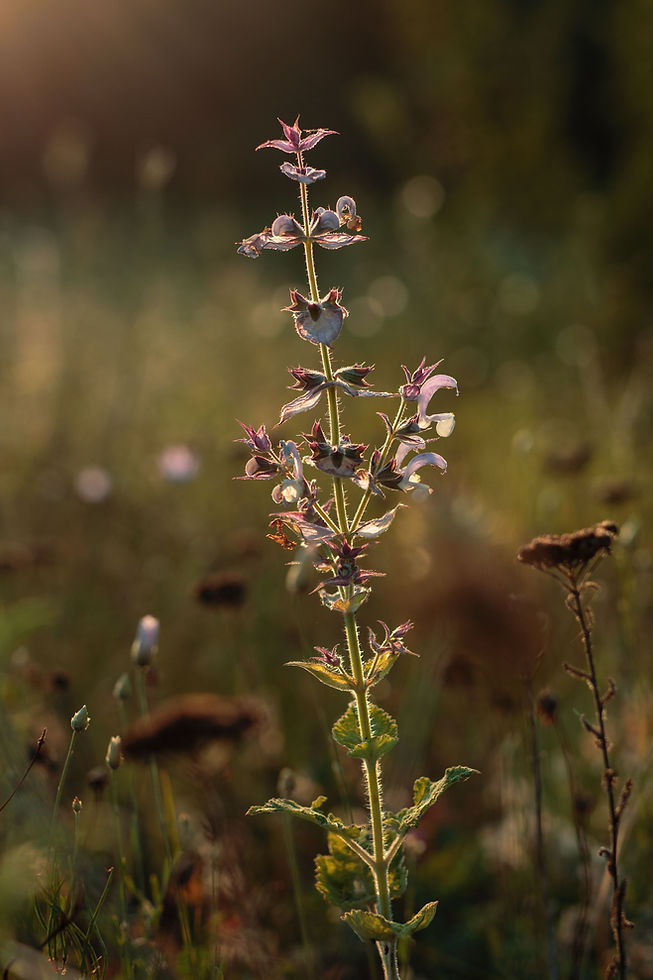
Must Know: Ingredients (Sage)
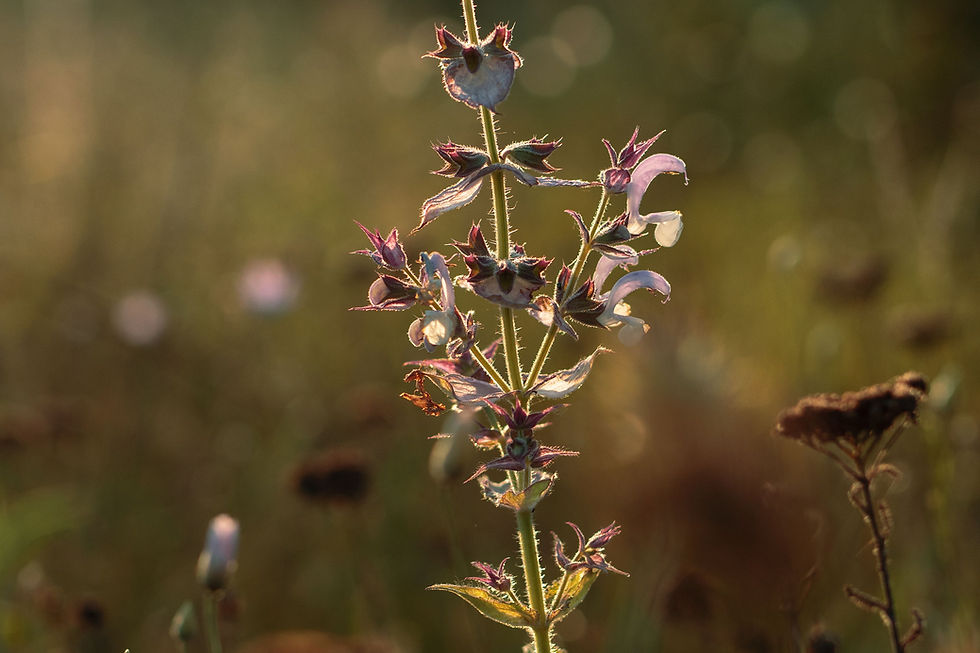
The Essential Difference
Sage has a concentrated savory aroma with earthy, camphor-like notes that become especially elegant in butter and fat. It is classic with gnocchi, ravioli, veal, pork, pumpkin and beans. A few leaves are usually enough; excessive sage can overwhelm delicate ingredients.
What Is a Sage?
Sage is best understood by looking at aroma, texture, moisture and how those qualities change with cutting and heat. Professional cooking treats the ingredient as a set of behaviors rather than a fixed flavor. The same ingredient can taste completely different raw, gently cooked, browned, roasted or preserved.
Flavor and Structure
The defining characteristics of sage are savory aroma, butter, frying, stuffing, heat and storage. These traits determine how much to use, when to add it and which cooking method will preserve the qualities that matter most.
Italian Kitchen Uses
Sage appears across Italian cooking in ways that depend on region and technique. It may build the aromatic base of a dish, season a sauce, support vegetables or proteins, or act as a finishing ingredient. The goal is always balance: the ingredient should make the preparation more expressive rather than simply more intense.
Raw vs. Cooked
Raw sage preserves its freshest aromas and sharpest edges. Cooking softens those edges, changes texture and can develop sweetness or deeper savory notes. Choosing between raw and cooked use should be intentional rather than automatic.
Heat and Timing
Timing is one of the most important controls. Delicate aromas are often best protected by adding part of the ingredient late, while deeper flavors require slower cooking. High heat can be useful for browning, but it can also burn aromatic compounds and create bitterness if not controlled.
How to Choose
Choose sage that looks fresh, feels appropriate for its variety and has a clean, characteristic aroma. Avoid obvious dehydration, mold, excessive bruising or off odors. Quality at purchase determines how much corrective cooking will be necessary later.
Storage
Store sage according to its moisture level and sensitivity. Keep it dry when excess moisture encourages spoilage, refrigerate when freshness requires it, and protect cut surfaces from unnecessary air exposure. Use the most aromatic forms promptly.
Chef Technique
Prepare sage with a sharp knife and a clear goal for size and texture. Uniform cuts cook evenly. Taste during cooking rather than relying only on time, and adjust salt, acidity and fat around the ingredient instead of trying to fix balance at the end.
Common Mistakes
Common mistakes include using too much, applying the wrong heat, ignoring moisture and treating every form of sage as interchangeable. Better results come from understanding what the ingredient is supposed to contribute in that specific dish.
Final Thoughts
Sage is valuable because it can change the direction of a dish without unnecessary complexity. When chosen well and handled with precision, it becomes part of the structure of the recipe rather than an isolated flavor.


Comments