
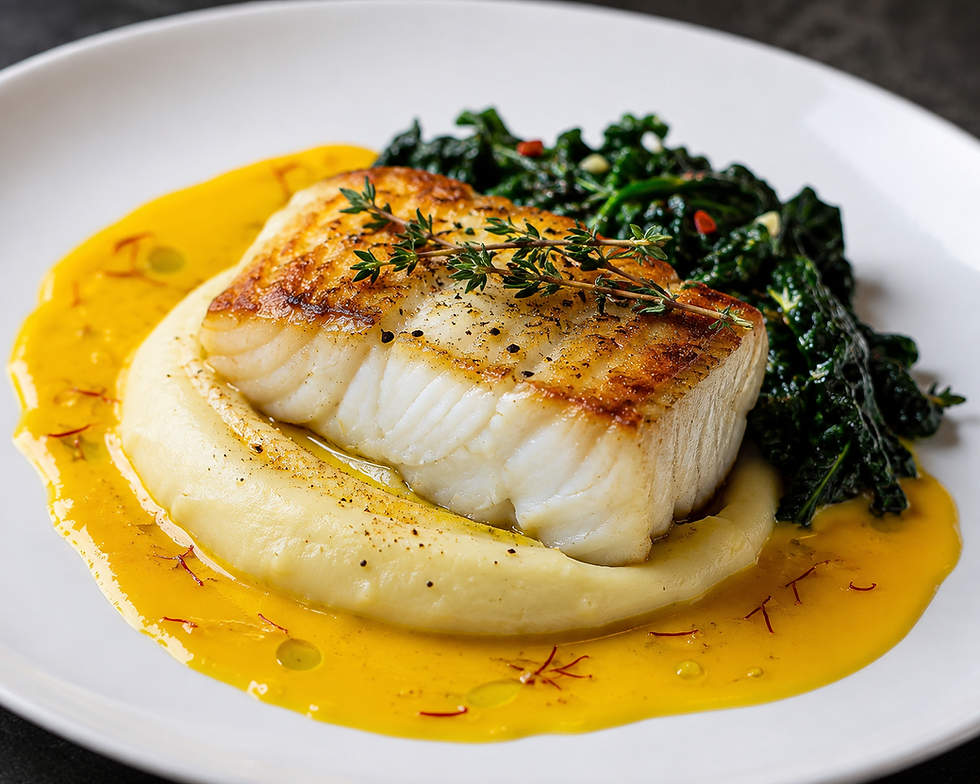
Italian Ligurian Salt Cod and Potato Mash | Brandacujun Ligure
Updated: Sep 13

Brandacujun Ligure belongs to Liguria, where olive oil, herbs, vegetables, preserved fish and the steep Mediterranean landscape reward freshness and restraint. It is the kind of preparation that makes sense only when technique and local ingredients are treated with equal respect. Regional Italian cooking is rarely about adding more; it is about extracting more flavor from a short list of ingredients through correct heat, timing, seasoning and texture.
In its traditional context, this dish would be understood not as a restaurant invention but as part of a larger food culture: seasonal shopping, preservation, family meals and the use of ingredients naturally available in the territory. For a modern kitchen, the goal is to preserve that identity while applying tighter control over temperature, moisture and finishing. The result should taste unmistakably regional, yet feel clean and precise on the plate.
This version follows that principle. The recipe is written for a serious home cook or professional minded reader: quantities are given in U.S. and metric measurements, critical texture cues are explained, and the finishing steps are designed to prevent the most common errors. Traditional food should never taste heavy simply because it is old; balance remains the final measure of quality.
Ingredients
• main regional ingredient: 1 1/2 lb (680 g)
• extra virgin olive oil: 3 tbsp (45 ml)
• garlic or onion: as appropriate
• fresh regional herbs: 2 tbsp, chopped
• regional cheese: 4 oz (115 g), when appropriate
• fine sea salt and black pepper: to taste
Preparation
1. Prepare every ingredient before applying heat. Regional recipes with a short ingredient list leave nowhere for careless knife work, inconsistent seasoning or poor raw materials to hide.
2. Build the base flavor patiently over moderate heat. Aromatics should soften and sweeten without burning. Add the principal ingredient only when the pan and fat are ready to cook rather than steam it.
3. Control moisture carefully. Add liquid gradually when tenderness is the goal, reduce uncovered when flavor must concentrate, and cover only when the method benefits from trapped steam.
4. Taste repeatedly as the dish develops. Correct salt, acidity, bitterness and richness in stages rather than trying to repair the entire balance at the end.
5. Rest or finish the dish according to its structure, then plate with restraint. The regional ingredient must remain immediately recognizable and the sauce should be concentrated but not greasy.
Understanding the Ingredients
The ingredient logic of Brandacujun Ligure follows a distinctly Liguria idea of balance. The primary ingredient must remain recognizable, while fat, acidity, salt and aroma work as supporting elements. Choose ingredients for flavor rather than appearance alone: vegetables should smell fresh and feel dense, herbs should be vivid, cheese freshly cut, and meat or seafood clean smelling and firm. When a protected regional product is named, use the authentic product when practical because its salt level, fat structure and aging profile often affect the recipe itself.
For professional consistency, weigh the principal ingredients instead of relying only on volume. Italian regional recipes were historically flexible because cooks knew their raw materials intimately; a written modern recipe has to recreate that judgment through measurable cues. Keep finishing ingredients separate until the last stage, taste stocks and cured products before adding salt, and use extra virgin olive oil as a flavoring ingredient rather than an automatic heavy pour.
Texture is equally important. Every component should have a purpose: something provides structure, something carries aroma, and something supplies moisture or contrast. If one element dominates until the others disappear, the dish loses its regional character. This is why the method emphasizes gradual seasoning, controlled reduction and a final tasting before service.
Professional Technique
Think in layers: aromatic base, principal ingredient, cooking liquid or fat, and final seasoning. Complete each layer before adding the next. Browning, reduction and resting are separate technical stages and should not be rushed into one another.
Desalt the cod under refrigeration, changing the water regularly and tasting a small cooked flake before seasoning the finished dish. Salt cod thickness varies, so time alone is not a reliable measure. Cook the fish gently and remove skin and bones while it is still warm enough to separate cleanly. Boil the potatoes separately until tender but not waterlogged, then drain and allow surface steam to escape.
The traditional texture comes from vigorous movement rather than blending. Combine warm potatoes and cod in a sturdy covered pan, add extra-virgin olive oil gradually, and shake or stir forcefully until the ingredients partially break down and emulsify. The mixture should remain visibly fibrous and rustic; a food processor makes it gluey and erases the contrast between flakes of fish and potato.
Control the final consistency with warm cooking liquid or olive oil in small additions. Brandacujun must hold a spooned shape while remaining supple, never stiff or oily. Add garlic and parsley with restraint and correct salt only at the end. Serve warm, not boiling, because excessive heat mutes the olive oil and makes the emulsion appear greasy.
Chef Tips
• Season progressively, especially when cheese, cured meat, stock or preserved fish is involved. These ingredients can add substantial salt late in the process.
• Use the best regional ingredient you can reasonably obtain, but prioritize correct technique over expensive substitutions. A carefully cooked accessible ingredient is better than a premium ingredient handled badly.
• Keep the final plating warm for hot savory dishes and properly chilled or room temperature for desserts. Serving temperature changes aroma, salt perception and texture.
• If preparing ahead, separate components whenever possible and combine them close to service. This preserves contrast and prevents sauces, crusts and garnishes from becoming dull.
Common Mistakes
• Rushing the initial flavor base and leaving aromatics raw or burned.
• Adding too much liquid at once and losing control of concentration.
• Overseasoning early when later reduction, cured products or cheese will intensify saltiness.
• Holding the finished dish too long before service, which damages texture and aroma.
Wine Pairing
Taut acidity and a mineral, savory finish work with seafood, salt cod, vegetables and cheese without adding sweetness. With Brandacujun Ligure (Italian Ligurian Salt Cod and Potato Mash), the objective is to balance the defining ingredient, cooking fat and seasoning while allowing the dish—not the wine—to remain the center of the pairing.
Its acidity, texture and savory mineral finish suit seafood, cheese, legumes and dishes whose richness needs a structured white. With Brandacujun Ligure (Italian Ligurian Salt Cod and Potato Mash), the objective is to balance the defining ingredient, cooking fat and seasoning while allowing the dish—not the wine—to remain the center of the pairing.
Its dry, light and fresh profile respects seafood, vegetables and delicate dough while clearing olive oil from the palate. With Brandacujun Ligure (Italian Ligurian Salt Cod and Potato Mash), the objective is to balance the defining ingredient, cooking fat and seasoning while allowing the dish—not the wine—to remain the center of the pairing.
Timing, Plating and Service
Serve Brandacujun Ligure at the moment when its defining texture is at its best. Use warmed plates for hot savory dishes and cool or room temperature plates for desserts as appropriate. Portion with restraint; regional food may appear rustic, but professional presentation depends on clean edges, intentional sauce placement and a clear visual focus on the principal ingredient. Avoid decorative garnishes that do not belong to the flavor profile.
Before service, taste one complete bite that includes sauce, garnish and main component together. This is the only reliable way to judge final salt, acidity and richness. If the dish feels heavy, correct with measured acidity or a fresher finishing element rather than simply adding more salt. If it feels thin, concentrate the sauce or reinforce the appropriate cheese, stock or cooking juices.
Storage & Reheating
Cool rapidly and refrigerate in a sealed container for up to 3 days. Reheat gently with a small amount of the original cooking liquid. Braised dishes often improve after one night because fat, gelatin and seasoning redistribute.
Nutrition
Calories: about 560
Protein: 33 g
Carbohydrates: 28 g
Fat: 34 g
Saturated Fat: 10 g
Fiber: 4 g
Sugars: 6 g
Sodium: 740 mg
Cholesterol: 110 mg
Nutrition values are estimates and vary with ingredient brands, portion size and finishing fat.


Comments