
Italian Mascarpone Cream | Crema al Mascarpone
Updated: Sep 13

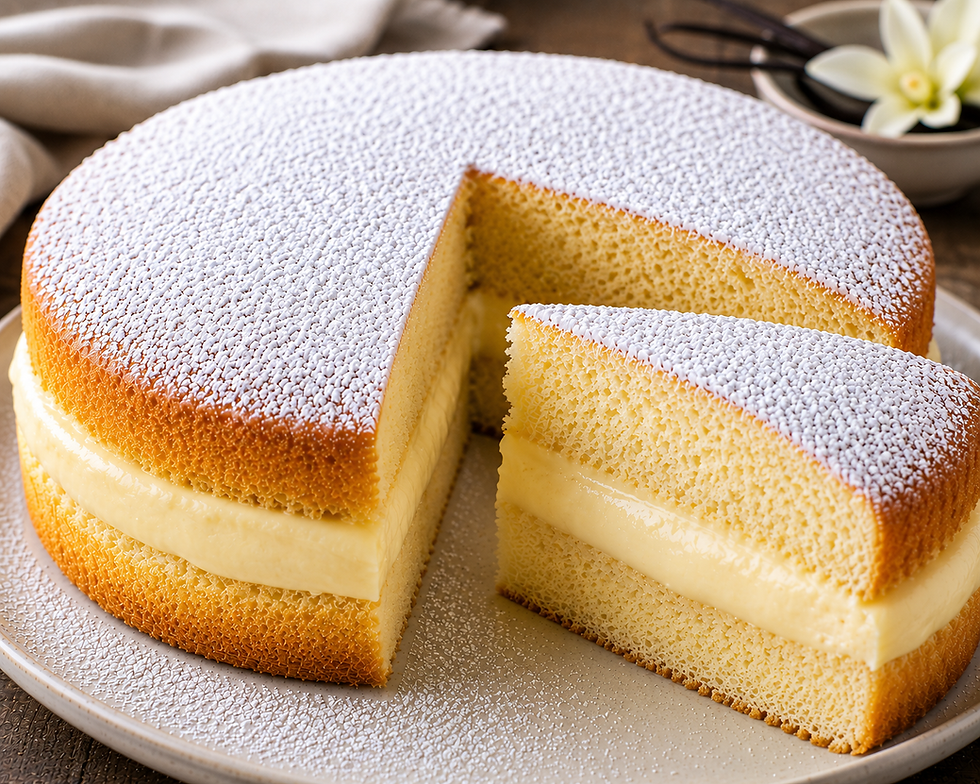
Crema al Mascarpone | Italian Mascarpone Cream Classic Italian Mascarpone Cream Crema al mascarpone is one of the essential creams of Italian pastry. Rich, smooth, and exceptionally versatile, it is best known as the cream used in tiramisù, but its applications extend far beyond a single dessert. Unlike crema pasticcera, mascarpone cream does not depend on starch for its structure. Its texture comes primarily from mascarpone, egg yolks, sugar, and carefully incorporated air. The objective is not to create a heavy cheese filling. A properly prepared mascarpone cream should be silky and rich while remaining light enough to eat comfortably with a spoon. Temperature control is essential. Mascarpone contains a significant amount of fat and can become grainy or separate when overworked or handled at the wrong temperature. For a professional preparation, the egg yolks are cooked with hot sugar syrup, creating a pâte à bombe style base before the mascarpone is incorporated. Yield: About 4 cups Preparation Time: 25 minutes Cooling Time: 1 to 2 hours
The Story
Crema al Mascarpone | Italian Mascarpone Cream Classic Italian Mascarpone Cream Crema al mascarpone is one of the essential creams of Italian pastry. Rich, smooth, and exceptionally versatile, it is best known as the cream used in tiramisù, but its applications extend far beyond a single dessert. Unlike crema pasticcera, mascarpone cream does not depend on starch for its structure. Its texture comes primarily from mascarpone, egg yolks, sugar, and carefully incorporated air. The objective is not to create a heavy cheese filling. A properly prepared mascarpone cream should be silky and rich while remaining light enough to eat comfortably with a spoon. Temperature control is essential. Mascarpone contains a significant amount of fat and can become grainy or separate when overworked or handled at the wrong temperature. For a professional preparation, the egg yolks are cooked with hot sugar syrup, creating a pâte à bombe style base before the mascarpone is incorporated. Yield: About 4 cups Preparation Time: 25 minutes Cooling Time: 1 to 2 hours
Ingredients
For the recipe
1 pound mascarpone (15.87 oz)
5 large egg yolks
1/2 cup granulated sugar (3.53 oz)
3 tablespoons water (1.52 fl oz)
1 teaspoon pure vanilla extract
Pinch of fine sea salt
1 cup heavy whipping cream (8.12 fl oz), optional for a lighter version
Choosing the Mascarpone
Use high quality full fat Italian mascarpone whenever possible.
The texture should be smooth, dense, and creamy.
Avoid mascarpone that has released a large quantity of liquid into the container.
Do not use reduced fat products.
Fat is fundamental to the structure and mouthfeel of authentic mascarpone cream.
Mascarpone Temperature
Remove the mascarpone from refrigeration approximately 10 to 15 minutes before using.
It should remain cool but should not be extremely hard.
Do not allow it to become warm.
Very cold mascarpone can be difficult to incorporate smoothly.
Warm mascarpone can become excessively soft and unstable.
Preparing the Base
Yield: About 4 cups Preparation Time: 25 minutes Prepare the Egg Yolks Place the egg yolks in the bowl of a stand mixer fitted with the whisk attachment. Begin whipping at medium speed. The yolks should become slightly lighter and more aerated while the sugar syrup is prepared. Prepare the Sugar Syrup Combine the sugar and water in a small saucepan. Heat over medium heat. Once the sugar has dissolved, avoid unnecessary stirring. Cook the syrup until it reaches approximately 250°F (250°F). Use a reliable digital thermometer. This temperature is important for creating the correct pâte à bombe structure. Cook the Egg Yolks With the mixer running at medium speed, slowly pour the hot sugar syrup down the inside wall of the mixing bowl. Do not pour the syrup directly onto the moving whisk. Once all the syrup has been incorporated, increase the mixer speed. Whip until the mixture becomes thick, pale, and significantly increased in volume. Continue whipping until the bowl feels only slightly warm. The yolk mixture should fall from the whisk in a thick ribbon. Prepare the Mascarpone Place the mascarpone in a separate mixing bowl.
Preparing the Main Mixture
Using a flexible spatula or whisk, work it very briefly until smooth. Do not whip aggressively. The objective is simply to eliminate any firm areas and create a uniform texture. Incorporate the Mascarpone Add approximately one quarter of the pâte à bombe to the mascarpone. Fold gently until smooth. Add another portion. Continue folding gradually. Once the mascarpone has been loosened, incorporate the remaining yolk mixture. Add the vanilla and a very small pinch of fine sea salt. Fold only until homogeneous. Correct Consistency The finished mascarpone cream should be: Silky Smooth Rich Light Stable Pipeable Free of visible lumps It should hold a soft peak while remaining creamy enough to spread easily.
Building the Filling or Batter
The cream should never appear oily or grainy. Optional Lighter Mascarpone Cream For a lighter texture, whip 1 cup heavy whipping cream (8.12 fl oz) to soft peaks. Do not whip the cream until stiff. Fold approximately one quarter of the whipped cream into the mascarpone mixture. Once incorporated, gently fold in the remaining cream. This creates a lighter version particularly suitable for cakes, dessert glasses, and plated desserts. For Traditional Tiramisù Use the mascarpone cream between layers of coffee soaked savoiardi. The savoiardi should absorb espresso without becoming completely saturated. Spread or pipe an even layer of mascarpone cream over each layer of biscuits. Finish the tiramisù with mascarpone cream. Refrigerate for several hours to allow the dessert to stabilize. Dust generously with unsweetened cocoa immediately before serving. Coffee Mascarpone Variation Dissolve 1 to 2 teaspoons instant espresso powder in approximately 1 tablespoon hot espresso. Cool completely. Fold gradually into the finished mascarpone cream. Do not add large quantities of liquid coffee because excessive moisture can loosen the cream. Chocolate Mascarpone Variation Melt approximately 4 ounces dark chocolate (4.06 oz).
Cooking or Baking
Allow it to cool until warm but still fluid. Fold a small amount of mascarpone cream into the chocolate first. Then gradually fold this mixture back into the remaining mascarpone cream. This gradual method reduces the risk of the chocolate setting into small pieces. Pistachio Mascarpone Variation Add approximately 1/3 cup pure pistachio paste (2.82 oz) to the mascarpone before incorporating the pâte à bombe. Mix gently until smooth. Then proceed with the recipe. This produces an excellent cream for pistachio tiramisù, cakes, and individual desserts. Hazelnut Mascarpone Variation Add approximately 1/3 cup pure roasted hazelnut paste (2.82 oz). Fold until completely homogeneous. Hazelnut mascarpone pairs particularly well with espresso and dark chocolate. Lemon Mascarpone Variation Add finely grated zest of one untreated lemon to the finished cream. For additional freshness, add approximately 1 tablespoon fresh lemon juice. Fold carefully. Do not add excessive juice because it can loosen the structure. Orange Mascarpone Variation Add finely grated zest of one untreated orange. Orange mascarpone pairs beautifully with dark chocolate, pistachios, and almonds. Traditional and Modern Uses
Cooling and Setting
Crema al mascarpone is excellent for: Tiramisù Pan di Spagna Layered cakes Millefoglie Crostate Tartlets Chocolate cakes Coffee desserts Fresh fruit desserts Individual pastries Desserts served in glasses Semifreddo style preparations Best Flavor Pairings Mascarpone cream pairs beautifully with: Espresso Dark chocolate Cocoa Pistachios Hazelnuts Almonds
Finishing the Dessert
Amaretti Marsala Orange Lemon Strawberries Raspberries Cherries Figs Pears Mascarpone and Strawberry Place fresh strawberries in the bottom of an individual glass. Add a layer of mascarpone cream. Finish with additional strawberries and a small quantity of toasted almonds. Avoid adding excessive sugar to the fruit. The natural acidity of strawberries balances the richness of mascarpone. Mascarpone and Espresso Pipe mascarpone cream into a small dessert glass. Add a thin layer of espresso soaked savoiardi. Repeat once. Finish with mascarpone cream and unsweetened cocoa. This creates a simple individual interpretation of tiramisù.
Plating
Approximate nutrition per serving: 540 calories, 0.63 oz protein, 2.54 oz carbohydrates, 0.71 oz fat, 0.28 oz saturated fat, 0.14 oz fiber, 0.18 oz sugars, 620 mg sodium, and 55 mg cholesterol. Values vary with the exact ingredients and portion size.
Professional Technique
Professional execution depends on temperature control, sequencing, and visual cues. Keep the work area organized and move to the next stage only when the current component has reached the correct texture.
Texture and Moisture Control
Control moisture deliberately. Excess liquid weakens flavor and structure, while excessive heat or reduction can dry the main ingredient. Adjust gradually and allow each addition to integrate before making another correction.
Professional Mise en Place
Complete the mise en place before cooking begins. Measure ingredients, prepare garnishes and finishing elements, organize pans and utensils, and keep temperature-sensitive ingredients refrigerated until needed.
Chef Tips
For tiramisù, keep the mascarpone cream simple. Use excellent mascarpone, fresh eggs, properly extracted espresso, quality savoiardi, and unsweetened cocoa. Do not drown the biscuits in coffee. The center should absorb espresso while retaining enough structure to support the cream. For a restaurant presentation, prepare the tiramisù in individual glasses or rectangular portions with clearly defined layers. Dust the cocoa immediately before serving rather than hours in advance. A great mascarpone cream should feel rich when it first reaches the palate, then disappear almost immediately. It should never feel greasy or excessively heavy. That balance is what separates a proper Italian mascarpone cream from a simple sweet cheese filling.
Common Mistakes
The cream becomes grainy: The mascarpone was overmixed. The cream becomes loose: The mascarpone became too warm or excessive liquid was added. The cream feels heavy: Too much mascarpone was used relative to the aerated yolk base. The cream is excessively sweet: Too much sugar hides the delicate dairy flavor. The cream contains mascarpone lumps: The cheese was too cold when incorporated. The cream separates: The mascarpone was aggressively whipped or temperature control was poor.
Wine Pairing
Moscato d’Asti DOCG — A balanced pairing chosen to support the structure, richness, acidity, and aromatic profile of the dish.
Brachetto d’Acqui DOCG — A balanced pairing chosen to support the structure, richness, acidity, and aromatic profile of the dish.
Recioto di Soave DOCG — A balanced pairing chosen to support the structure, richness, acidity, and aromatic profile of the dish.
Vin Santo del Chianti Classico DOC — A balanced pairing chosen to support the structure, richness, acidity, and aromatic profile of the dish.
Moscato di Scanzo DOCG — A balanced pairing chosen to support the structure, richness, acidity, and aromatic profile of the dish.
Storage
Keep mascarpone cream refrigerated at all times. Store in a tightly covered container. For optimal quality, use within 2 days. Do not leave the cream at room temperature for prolonged periods. For tiramisù, refrigeration for several hours before service improves the structure and allows the flavors to integrate. Chef’s Technical Note Mascarpone is delicate. The biggest mistake is treating it like heavy cream and whipping it aggressively. Mascarpone contains a high concentration of fat and can separate when overworked. Work it only enough to create a smooth texture. Then incorporate the aerated egg yolk base gradually. Temperature is equally important. Cold mascarpone can remain lumpy. Warm mascarpone can become loose. The ideal working temperature is cool but pliable. The pâte à bombe method provides both structure and a more professional approach to the egg yolks than simply mixing raw yolks with sugar. Chef Gianluca
Nutrition
Approximate nutrition per serving: 540 calories, 0.63 oz protein, 2.54 oz carbohydrates, 0.71 oz fat, 0.28 oz saturated fat, 0.14 oz fiber, 0.18 oz sugars, 620 mg sodium, and 55 mg cholesterol. Values vary with the exact ingredients and portion size.


Comments