
Italian How Mozzarella Is Made: From Milk to Burrata | Must Know
Updated: Sep 1
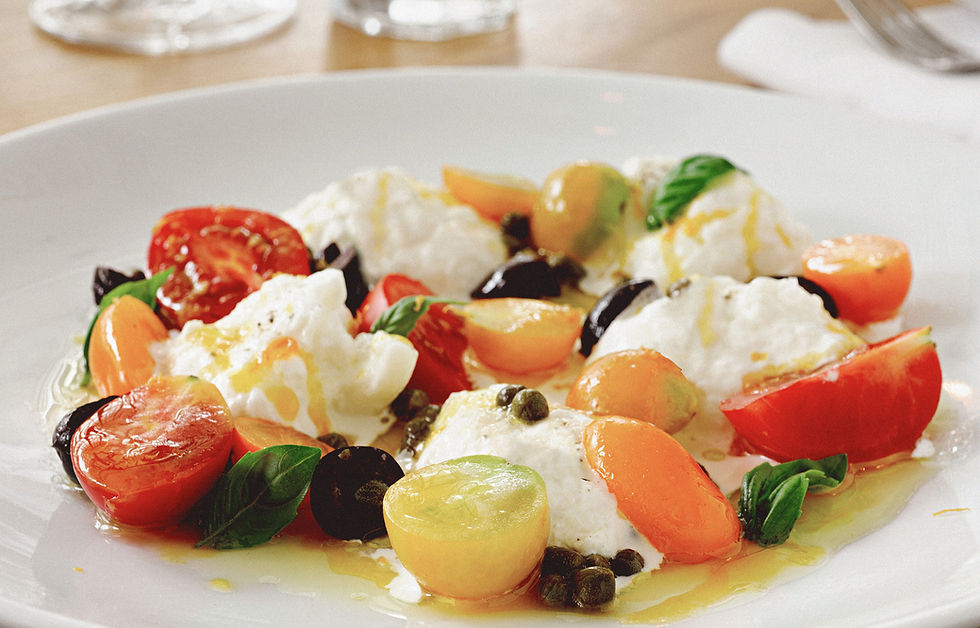
Mozzarella looks simple: milk, rennet, salt, water. But few Italian foods demonstrate the precision of cheesemaking as clearly as a properly made mozzarella. Its soft white surface, delicate layers, milky aroma and characteristic elasticity are the result of a controlled transformation involving coagulation, acidification, drainage, heat and stretching. Change the milk, temperature, acidity or timing and the final cheese changes with it. Understanding mozzarella therefore means going far beyond a recipe. It means understanding pasta filata, the family of Italian cheeses whose curd becomes elastic enough to be stretched in hot water. It also means understanding the important differences between cow's-milk mozzarella, Fior di Latte, Mozzarella di Bufala, stracciatella and burrata. They are related products, but they are not interchangeable names for the same thing. The traditional process is also very different from the simplified “30-minute mozzarella” recipes commonly found online. Cit
The Story
Ingredients
For the recipe
Use the ingredient quantities and components specified in the original recipe above, maintaining the same proportions and sequence.
What Does the Word Mozzarella Mean?
The Four Transformations Behind Mozzarella
The Stretching Test
A Serious Cow's-Milk Fior di Latte Method
What Is Burrata?
Should You Eat Mozzarella Ice-Cold?
Plating
Professional Technique
For consistent professional results, work in measured stages and keep the principal ingredient at the center of the preparation. Temperature changes affect seasoning, fat perception, starch behavior, protein texture, and aroma, so the final adjustment should be made only after the dish reaches its service consistency. Use visual and tactile cues throughout the process: observe how moisture evaporates, how sauces coat the spoon, how proteins resist gentle pressure, and how doughs or grains respond as they cook. Keep the cooking vessel appropriately sized so ingredients are not crowded, and allow each component enough contact with heat to develop flavor without drying. If the recipe contains a sauce, reserve a small amount of its cooking liquid or another compatible liquid so texture can be corrected at the end rather than by adding excess fat. Rest components only when the recipe benefits from resting; otherwise move directly to plating so crisp, delicate, or creamy textures remain intact. Before service, taste one complete bite containing the same proportions the guest will receive. Correct salt first, then acidity, then richness, and only then consider aromatic finishing elements. This sequence produces a cleaner and more repeatable result than adjusting several variables at once.
For consistent professional results, work in measured stages and keep the principal ingredient at the center of the preparation. Temperature changes affect seasoning, fat perception, starch behavior, protein texture, and aroma, so the final adjustment should be made only after the dish reaches its service consistency. Use visual and tactile cues throughout the process: observe how moisture evaporates, how sauces coat the spoon, how proteins resist gentle pressure, and how doughs or grains respond as they cook. Keep the cooking vessel appropriately sized so ingredients are not crowded, and allow each component enough contact with heat to develop flavor without drying. If the recipe contains a sauce, reserve a small amount of its cooking liquid or another compatible liquid so texture can be corrected at the end rather than by adding excess fat. Rest components only when the recipe benefits from resting; otherwise move directly to plating so crisp, delicate, or creamy textures remain intact. Before service, taste one complete bite containing the same proportions the guest will receive. Correct salt first, then acidity, then richness, and only then consider aromatic finishing elements. This sequence produces a cleaner and more repeatable result than adjusting several variables at once.
For consistent professional results, work in measured stages and keep the principal ingredient at the center of the preparation. Temperature changes affect seasoning, fat perception, starch behavior, protein texture, and aroma, so the final adjustment should be made only after the dish reaches its service consistency. Use visual and tactile cues throughout the process: observe how moisture evaporates, how sauces coat the spoon, how proteins resist gentle pressure, and how doughs or grains respond as they cook. Keep the cooking vessel appropriately sized so ingredients are not crowded, and allow each component enough contact with heat to develop flavor without drying. If the recipe contains a sauce, reserve a small amount of its cooking liquid or another compatible liquid so texture can be corrected at the end rather than by adding excess fat. Rest components only when the recipe benefits from resting; otherwise move directly to plating so crisp, delicate, or creamy textures remain intact. Before service, taste one complete bite containing the same proportions the guest will receive. Correct salt first, then acidity, then richness, and only then consider aromatic finishing elements. This sequence produces a cleaner and more repeatable result than adjusting several variables at once.
For consistent professional results, work in measured stages and keep the principal ingredient at the center of the preparation. Temperature changes affect seasoning, fat perception, starch behavior, protein texture, and aroma, so the final adjustment should be made only after the dish reaches its service consistency. Use visual and tactile cues throughout the process: observe how moisture evaporates, how sauces coat the spoon, how proteins resist gentle pressure, and how doughs or grains respond as they cook. Keep the cooking vessel appropriately sized so ingredients are not crowded, and allow each component enough contact with heat to develop flavor without drying. If the recipe contains a sauce, reserve a small amount of its cooking liquid or another compatible liquid so texture can be corrected at the end rather than by adding excess fat. Rest components only when the recipe benefits from resting; otherwise move directly to plating so crisp, delicate, or creamy textures remain intact. Before service, taste one complete bite containing the same proportions the guest will receive. Correct salt first, then acidity, then richness, and only then consider aromatic finishing elements. This sequence produces a cleaner and more repeatable result than adjusting several variables at once.
For consistent professional results, work in measured stages and keep the principal ingredient at the center of the preparation. Temperature changes affect seasoning, fat perception, starch behavior, protein texture, and aroma, so the final adjustment should be made only after the dish reaches its service consistency. Use visual and tactile cues throughout the process: observe how moisture evaporates, how sauces coat the spoon, how proteins resist gentle pressure, and how doughs or grains respond as they cook. Keep the cooking vessel appropriately sized so ingredients are not crowded, and allow each component enough contact with heat to develop flavor without drying. If the recipe contains a sauce, reserve a small amount of its cooking liquid or another compatible liquid so texture can be corrected at the end rather than by adding excess fat. Rest components only when the recipe benefits from resting; otherwise move directly to plating so crisp, delicate, or creamy textures remain intact. Before service, taste one complete bite containing the same proportions the guest will receive. Correct salt first, then acidity, then richness, and only then consider aromatic finishing elements. This sequence produces a cleaner and more repeatable result than adjusting several variables at once.
For consistent professional results, work in measured stages and keep the principal ingredient at the center of the preparation. Temperature changes affect seasoning, fat perception, starch behavior, protein texture, and aroma, so the final adjustment should be made only after the dish reaches its service consistency. Use visual and tactile cues throughout the process: observe how moisture evaporates, how sauces coat the spoon, how proteins resist gentle pressure, and how doughs or grains respond as they cook. Keep the cooking vessel appropriately sized so ingredients are not crowded, and allow each component enough contact with heat to develop flavor without drying. If the recipe contains a sauce, reserve a small amount of its cooking liquid or another compatible liquid so texture can be corrected at the end rather than by adding excess fat. Rest components only when the recipe benefits from resting; otherwise move directly to plating so crisp, delicate, or creamy textures remain intact. Before service, taste one complete bite containing the same proportions the guest will receive. Correct salt first, then acidity, then richness, and only then consider aromatic finishing elements. This sequence produces a cleaner and more repeatable result than adjusting several variables at once.
For consistent professional results, work in measured stages and keep the principal ingredient at the center of the preparation. Temperature changes affect seasoning, fat perception, starch behavior, protein texture, and aroma, so the final adjustment should be made only after the dish reaches its service consistency. Use visual and tactile cues throughout the process: observe how moisture evaporates, how sauces coat the spoon, how proteins resist gentle pressure, and how doughs or grains respond as they cook. Keep the cooking vessel appropriately sized so ingredients are not crowded, and allow each component enough contact with heat to develop flavor without drying. If the recipe contains a sauce, reserve a small amount of its cooking liquid or another compatible liquid so texture can be corrected at the end rather than by adding excess fat. Rest components only when the recipe benefits from resting; otherwise move directly to plating so crisp, delicate, or creamy textures remain intact. Before service, taste one complete bite containing the same proportions the guest will receive. Correct salt first, then acidity, then richness, and only then consider aromatic finishing elements. This sequence produces a cleaner and more repeatable result than adjusting several variables at once.




Comments