
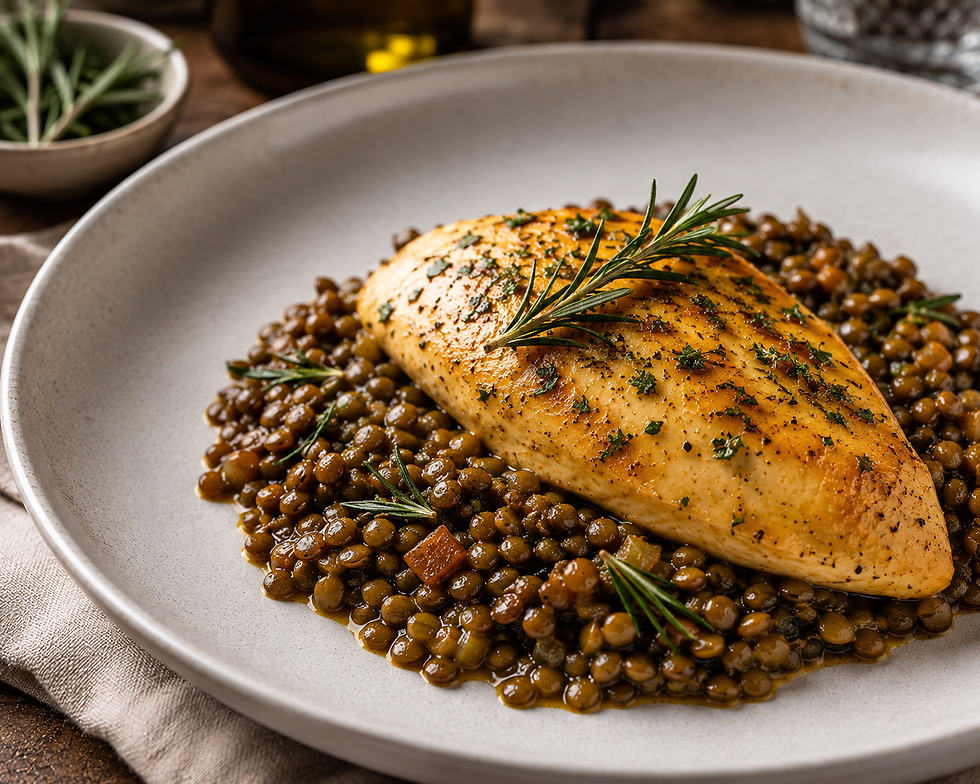
Pollo con Cipolle alla Veneta (Italian Venetian Chicken)
- Apr 1, 2020
- 7 min read
Updated: 23 hours ago

Italian Venetian Chicken with Onions
Story of the Dish
Prep. time: 10 minutes
Cook Time: 50 minutes
Difficulty: 1 out of 5
Serve: 4
Ingredients: 1 lb Chicken breast, sliced thin 2 White onions 1/4 cup of Extra virgin olive oil 2 tbsp Butter 1 tbsp Red wine vinegar
1/2 tsp Sugar
1/2 cup of Flour Black pepper qb Salt qb 1 cup of Water
Preparation:
To make Venetian chicken, start by peeling the onion, then slice it. In a pan, melt the butter, add sliced onions and water. Continue cooking over low heat for 30 minutes (add more water if necessar) then add red wine vinegar and sugar, continue cooking for another 10 minutes or until the onions are dried. Meanwhile, lay the chicken pieces, coated in flour and seasoned with salt into the oil in separate frying pan. Cook chicken on both sides until nice golden color, then transfer them in the pan with the onions, cook over medium heat for 2-3 minutes. When the Venetian chicken is ready, transfer it to a serving dish, salt and serve immediately.
Chef tips:
It is a great substitute for those who doesn’t like liver. Caramelized onions add mouthwatering flavor to almost any dish.
#caramelizedonions #chickenandonion #venetianchicken #chefgianlucadeianaabis #italiantradition #italy
Sponsored by
History, Origins and Italian Culinary Context
Pollo con Cipolle alla Veneta belongs to the broad Italian tradition of transforming straightforward ingredients through disciplined technique. Italian meat cookery favors flavor development through browning, aromatic vegetables, wine, herbs, and patient temperature control. Tougher cuts reward slow cooking while delicate cuts need precision and restraint. The most authentic approach is to preserve the logic of the preparation: seasonal ingredients, clean flavors, correct texture, and restraint.
Across Italy, household recipes naturally vary from family to family. What defines the dish is not decorative complexity but the relationship among its principal ingredients. In the ZAFFERANO & CO. kitchen, Pollo con Cipolle alla Veneta is treated as a complete culinary preparation, with attention to ingredient quality, mise en place, temperature, timing, and service.
Recipe Information
Cook Time: 50 minutes
Difficulty: 1 out of 5
Servings: 4. Prep Time: about 25 minutes. Cook Time varies with the cut and technique described above. Total Time: follow the doneness and resting cues in the method rather than the clock alone.
Professional Technique
Dry the meat before browning, work in batches, deglaze carefully, and use gentle heat for braising. Rest cooked meat before slicing so juices redistribute. Use mise en place before heat is applied. Prepare every ingredient, pan, utensil, and finishing element in advance so the cooking process can proceed without interruption.
Temperature should be adjusted according to the desired result. High heat encourages browning and evaporation; moderate heat cooks evenly; low heat protects emulsions, dairy, eggs, delicate fish, and slow braises. Visual and aromatic cues are as important as minutes on a timer.
Step-by-Step Chef Method
1. Prepare all ingredients to a consistent size and condition. Pat wet ingredients dry where browning is required, bring chilled components to the appropriate temperature, and measure seasonings before cooking.
2. Build the first flavor layer carefully. Aromatic vegetables should soften without scorching unless deliberate caramelization is part of the dish. Season lightly and progressively rather than adding all the salt at once.
3. Cook the principal ingredient with the heat level appropriate to its structure. Avoid unnecessary stirring. Allow contact with the pan when browning is required, and keep liquids at a gentle simmer when tenderness is the goal.
4. Combine components only when their textures are ready. Ingredients with different cooking times should enter at different stages. Fresh herbs, citrus zest, finishing oil, cheese, or other aromatic ingredients are often best added late.
5. Adjust final consistency with controlled additions of liquid or gentle reduction. Avoid aggressive boiling at the end because it can break sauces, toughen proteins, or destroy delicate textures.
6. Rest when appropriate, taste again, and correct seasoning before plating. Consider salt, acidity, sweetness, bitterness, richness, and aroma together rather than focusing on salt alone.
Ingredient Selection and Mise en Place
Choose ingredients that taste good on their own. Fresh produce should be aromatic and firm, seafood should smell clean and briny rather than fishy, meat should be well trimmed, dairy should taste fresh, and pantry ingredients should be free from stale flavors. Simple Italian cooking exposes weak ingredients immediately.
Measure first. Consistency in cutting and portioning matters because ingredients of different sizes cook at different rates. Keep raw and cooked components separated, and organize the work surface so the cooking sequence is obvious before you begin.
Chef Tips
Keep the preparation focused on the principal ingredient in Pollo con Cipolle alla Veneta (Italian Venetian Chicken with Onions). Taste before final seasoning, control heat carefully, and adjust consistency with cooking liquid or stock rather than unnecessary cream. Prepare garnish and serving plates before the final cooking stage so the dish can be served at its best texture and temperature.
Mistakes to Avoid
Crowding the pan, burning the fond, boiling a braise, and slicing too early are frequent errors. Another mistake is changing several variables at once. Correct one thing at a time—heat, seasoning, liquid, or fat—then taste before making another adjustment.
Storage, Make-Ahead and Reheating
Prepare only components that hold well in advance. Bases, sauces, cooked legumes, roasted vegetables, doughs, or dessert mixtures may benefit from resting, while crisp elements, fresh herbs, fried components, and final emulsions should remain close to service. Cool cooked food promptly and refrigerate in clean covered containers.
Reheat Pollo con Cipolle alla Veneta gently using the method that best preserves its original texture. Foods that tighten in the refrigerator may need a small amount of water, stock, milk, or sauce. Avoid repeated heating and cooling, which damages both quality and food safety.
Serving and Presentation
Serve Pollo con Cipolle alla Veneta at the temperature that best expresses its aroma and texture. Use a plate or bowl with enough negative space to keep the presentation clean. Avoid random garnishes, excessive herbs, or decorative ingredients not present in the recipe. The finished plate should look natural, generous, and unmistakably Italian.
Chef Gianluca’s Recommendation
Prepare Pollo con Cipolle alla Veneta once exactly as written before introducing personal variations. Learn the intended texture and balance first. After that, seasonal adjustments can be made while preserving the identity of the dish. Technique should support the food quietly rather than draw attention away from it.
Chef Gianluca Deiana
Detailed Timing and Doneness Cues
The clock is only one part of cooking Pollo con Cipolle alla Veneta. Ingredient size, starting temperature, cookware, burner strength, oven calibration, and moisture all change the actual cooking time. Look for visual and tactile signs of doneness: vegetables should be tender without collapsing, meat should become tender according to the cut, fish should remain moist and just opaque, baked goods should set through the center, and sauces should coat rather than flood the plate.
Use moderate adjustments rather than sudden changes in heat. If a sauce is reducing too quickly, lower the heat before adding more liquid. If browning is weak, remove excess moisture and give the food more surface contact. If a baked preparation colors too quickly, protect the surface while allowing the center to finish. These small corrections are what make a recipe repeatable in different kitchens.
Balancing Salt, Fat, Acidity and Aroma
Final seasoning should be evaluated as a whole. Salt intensifies flavor, fat carries aroma and gives roundness, acidity provides definition, sweetness can soften bitterness or sharpness, and fresh herbs or citrus can add lift. Pollo con Cipolle alla Veneta should not taste dominated by any one of these elements. Taste before service and make the smallest correction necessary.
When cheese, cured meat, olives, anchovies, stock, preserved vegetables, or salted nuts are present, remember that they already contribute seasoning. Add salt progressively. Likewise, acidity from tomato, citrus, vinegar, or wine becomes stronger as liquids reduce, so avoid making a final adjustment too early.
Professional Troubleshooting
If Pollo con Cipolle alla Veneta tastes flat, first check salt and acidity before adding more fat. If it tastes heavy, add freshness rather than more seasoning. If the texture is watery, correct moisture through draining, resting, or gentle reduction. If the texture is dry, restore moisture gradually with the appropriate liquid rather than covering the problem with oil or sauce.
If a sauce separates, remove it from aggressive heat and rebuild the emulsion slowly. If vegetables release too much water, increase surface area and allow evaporation. If bread or pastry is dense, review fermentation, mixing, and temperature rather than simply increasing leavening. If meat is tough in a braise, it often needs more gentle time rather than higher heat.
Service for Guests
For entertaining, stage Pollo con Cipolle alla Veneta so the final steps happen close to service without creating stress. Prepare stable components in advance, warm plates when the dish benefits from it, and keep the plating plan simple. A clean spoon, ladle, offset spatula, or tongs can make the difference between a controlled presentation and a rushed one.
Why This Recipe Works
Pollo con Cipolle alla Veneta works when each ingredient performs a clear role. The principal ingredient provides identity; aromatics create depth; fat carries flavor; liquid controls texture; seasoning gives definition; and the finishing elements add freshness or contrast. Understanding these roles makes the recipe easier to reproduce and easier to adapt without losing its Italian character.
Chef Notes on Consistency and Repetition
A professional recipe must be repeatable. When preparing Pollo con Cipolle alla Veneta again, note the pan size, actual cooking time, ingredient brand or variety, and any final adjustments you made. These details help you understand why one batch differs from another. Small changes in moisture, flour strength, vegetable variety, meat thickness, or dairy fat can noticeably change the result even when the written quantities remain identical.
The goal is not to make every batch mechanically identical, but to understand the variables well enough to guide each batch toward the same final standard. Taste, texture, aroma, and temperature remain the final judges. This is the practical discipline behind consistent Italian cooking in a professional kitchen.
Final Chef Check
Before Pollo con Cipolle alla Veneta leaves the kitchen, confirm five things: the seasoning is balanced, the principal ingredient is clearly identifiable, the texture is correct, the serving temperature is appropriate, and the presentation contains nothing unnecessary. When all five are right, stop adjusting. Overworking a finished dish can undo the balance you already achieved.
Servings and Timing
Servings: 4. Prep Time: about 25 minutes. Cook Time varies with the cut and technique described above. Total Time: follow the doneness and resting cues in the method rather than the clock alone.
Wine Pairing
Choose wine according to the dominant flavor of Pollo con Cipolle alla Veneta. Fresh vegetable and seafood preparations generally favor mineral Italian whites; richer meat dishes can support structured reds; tomato-based preparations benefit from lively acidity; creamy dishes pair well with whites that have body without excessive oak. Dessert wines should always be at least as sweet as the dessert itself.
Nutrition per Serving
Approximate nutrition per serving: 560 calories, 1.48 oz protein, 0.85 oz carbohydrates, 1.09 oz fat, 0.35 oz saturated fat, 0.14 oz fiber, 0.21 oz sugars, 760 mg sodium, and 135 mg cholesterol. Values vary with the cut of meat and serving size.



Comments