
Italian Mixology: Venetian Spritz
- 52 minutes ago
- 6 min read
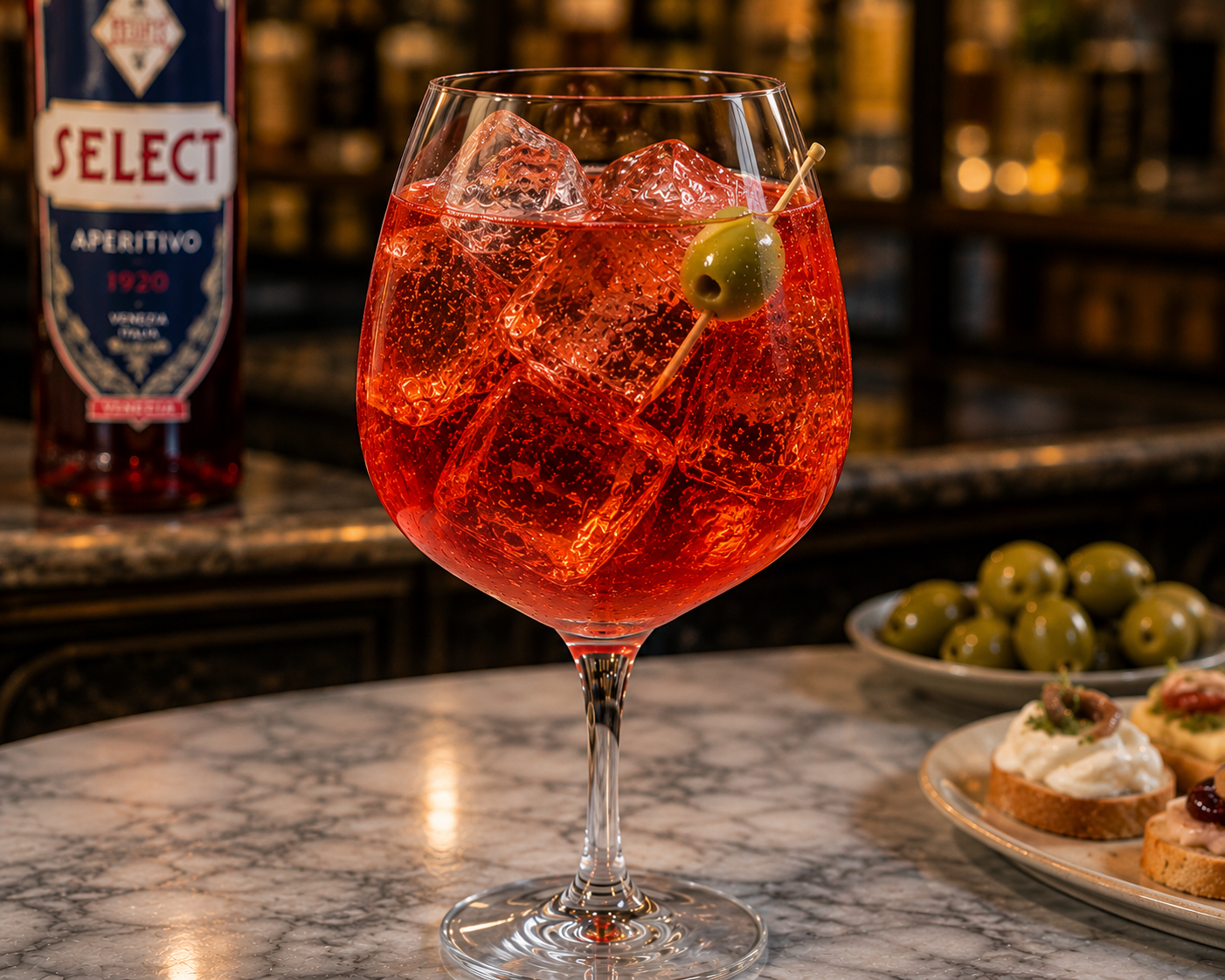
Italian Mixology: Venetian Spritz
Quick Answer
The Venetian Spritz is the traditional aperitivo style associated with Venice and the Veneto, built from sparkling wine, a bitter aperitivo, soda water, and ice. There is no single universal Venetian Spritz formula. In Venice, the drink can be prepared with different bitter aperitivi, but Select has the strongest specifically Venetian identity.
Professional formula: 3 oz Prosecco, 2 oz Select Aperitivo or another traditional bitter aperitivo, 1 oz soda water, large hard ice cubes, and 1 green olive. The drink should be cold, sparkling, bittersweet, refreshing, and designed to accompany cicchetti before dinner.
Classification
Regional Traditional Italian Aperitivo. The Venetian Spritz is best understood as a regional style of Spritz rather than a single cocktail with one universally fixed historic recipe. Its defining structure is wine or sparkling wine, bitter aperitivo, soda, ice, and a simple garnish.
The Venetian Spritz Tradition
The Spritz belongs deeply to northeastern Italian drinking culture. Its roots are connected to the historical practice of lengthening local wine with water. Over time, carbonated water, sparkling wine, and bitter aperitivi transformed that simple combination into the modern Spritz family.
Venice became one of the cities most closely identified with this style of drinking. The Spritz is not treated only as a cocktail. It belongs beside cicchetti, conversation, standing at the bar, and the transition between the working day and dinner. That social context is essential to understanding the drink.
Venice, Veneto, and the Aperitivo
Venetian aperitivo culture is built around simplicity and drinkability. The best drinks refresh, stimulate the appetite, work with savory food, remain moderate in strength, and encourage conversation rather than dominate it.
Why Select Matters
Many bitter aperitivi can appear in a Venetian Spritz, but Select Aperitivo holds a special position in Venice. Its herbal, bittersweet, and lightly spicy character works naturally with sparkling wine. The traditional green olive garnish also gives the drink a savory character that fits Venetian cicchetti culture.
Ingredients
3 oz chilled Prosecco 2 oz Select Aperitivo or another traditional bitter aperitivo 1 oz chilled soda water Large, hard ice cubes 1 green olive
Ingredient Quality
Prosecco provides the sparkling backbone. Choose a fresh, dry style with lively acidity and good carbonation. The wine does not need to be expensive, but it must be fresh and properly chilled.
The bitter aperitivo determines the personality of the drink. Select creates an herbal, bittersweet, slightly spicy Venetian profile. Campari makes it firmer and more bitter; Aperol makes it softer and sweeter.
Soda water should be cold, neutral, freshly opened, and strongly carbonated. The green olive contributes a subtle savory and saline note that connects the drink naturally to Venetian food culture.
Professional Preparation
1. Chill a large wine glass. 2. Fill it completely with large ice cubes. 3. Add 3 oz chilled Prosecco. 4. Add 2 oz Select Aperitivo. 5. Add 1 oz chilled soda water. 6. Give the drink one gentle lift with a bar spoon. 7. Garnish with one good-quality green olive. 8. Serve immediately.
Professional Technique
Build the drink directly in the glass. Never shake a Venetian Spritz. Shaking destroys carbonation and creates unnecessary dilution. The ingredients should integrate through careful pouring and minimal stirring.
Ice and Dilution
Use plenty of hard ice. A glass with only a few cubes warms rapidly and those cubes melt quickly. A glass filled generously with dense ice remains colder for longer and gives better control over dilution.
Temperature and Carbonation
Every liquid ingredient should be cold before preparation. A cold Spritz tastes drier, cleaner, brighter, and more refreshing. Warm ingredients accelerate melting and make the drink feel sweeter. Fresh carbonation is part of the texture, not an optional detail.
Glassware
A large stemmed wine glass is the standard modern choice. It provides enough space for ice, sparkling wine, bitter aperitivo, soda, and garnish while allowing the guest to hold the stem instead of warming the bowl.
Garnish
For a Select-based Venetian Spritz, one green olive is enough. Orange may appear in other Spritz styles, especially with Aperol or Campari, but the olive gives the Venetian expression a distinctive savory identity. Avoid unnecessary decorative garnish.
Flavor Profile
Bitterness: medium-high. Sweetness: medium-low. Acidity: medium-high. Body: light-medium. Alcohol: moderate. Carbonation: high. Herbal character: high. Citrus: medium. Savory character: subtle. Finish: bittersweet, dry, and refreshing.
Balance
A good Venetian Spritz should never taste like bitter liqueur randomly diluted with sparkling ingredients. The aperitivo provides identity, Prosecco supplies acidity and bubbles, soda gives length, ice controls temperature, and the olive provides a savory accent.
Venetian Spritz vs Select Spritz
Venetian Spritz is the broader regional style associated with Venice and Veneto. Select Spritz is one specific and strongly Venetian expression made with Select Aperitivo. Every Select Spritz can reasonably be considered Venetian in style, but not every Venetian Spritz necessarily uses Select.
Venetian Spritz vs Aperol Spritz
The Venetian style allows more regional flexibility and may be more bitter and savory, especially when made with Select. Aperol Spritz is sweeter, more orange-forward, softer in bitterness, and more standardized internationally.
Venetian Spritz vs Campari Spritz
A Select-based Venetian Spritz is herbal, moderately bitter, savory, slightly spicy, and typically garnished with an olive. Campari Spritz is more bitter, more bitter-orange driven, and generally finished with orange.
Common Mistakes
Too much soda makes the drink weak. Too little bitter aperitivo removes its identity. Warm Prosecco causes rapid dilution. Flat sparkling wine makes the cocktail lifeless. Too little ice weakens temperature control. Excessive stirring destroys carbonation. Over-garnishing hides the drink instead of improving it.
Substitutions and Variations
Another dry Italian sparkling wine can replace Prosecco, although Prosecco is especially appropriate to the Veneto context. Campari or Aperol may replace Select, but the drink changes character. Modern variations include a white Venetian Spritz, a rosé Venetian Spritz, or an extra-dry version, but the structure should remain simple.
Food Pairing
The Venetian Spritz belongs with food. Excellent pairings include baccalà mantecato, sarde in saor, anchovies, fried calamari, fried shrimp, polenta crostini, tramezzini, green olives, prosciutto, mortadella, salami, aged cheeses, fried vegetables, artichokes, croquettes, and focaccia.
Cicchetti
Cicchetti are small savory bites central to Venetian bar culture. They may include seafood, cured meats, cheese, vegetables, creamy spreads, fried foods, and bread-based snacks. Bitterness and acidity cut through fat and salt, while carbonation refreshes the palate between bites.
Baccalà Mantecato Pairing
Baccalà mantecato is one of the strongest pairings for a Venetian Spritz. Its creamy texture and savory cod flavor benefit from the drink’s acidity and carbonation, while the olive garnish reinforces the saline character.
Sarde in Saor Pairing
Sarde in saor combines sardines with sweet-and-sour flavors, traditionally including onions and vinegar. A bittersweet Spritz complements the acidity while refreshing the palate and brings together two strongly Venetian traditions.
Best Time to Serve
Serve the Venetian Spritz in the late afternoon or early evening, during aperitivo hour, before dinner, on summer terraces, in bacari, at cocktail receptions, or at casual gatherings. Its purpose is social: the drink should accompany conversation and food rather than dominate them.
The Bacaro Tradition
In Venice, small traditional bars known as bacari play an important role in local drinking culture. Wine, Spritz, and cicchetti form a natural combination. The experience is informal and often involves stopping for one drink and a few bites before continuing through the city.
Professional Bar Service
Keep Prosecco and soda refrigerated, organize aperitivo bottles, prepare olives cleanly, maintain hard ice, measure consistently, and serve immediately. A simple cocktail exposes poor technique quickly because there are too few ingredients to hide mistakes.
Batch Preparation
Do not fully batch a Venetian Spritz in advance. The sparkling components lose carbonation. For events, prepare the station instead: cold sparkling wine, cold soda, measured aperitivo, prepared garnish, clean ice, and chilled glassware.
Chef Tips
Use a dry Prosecco. Use more ice than you think you need. Keep every ingredient cold. Use Select when you want the strongest Venetian identity. Do not over-dilute or over-stir. Use one quality olive. Serve immediately and pair with cicchetti whenever possible.
Frequently Asked Questions
What is a Venetian Spritz? It is the regional Venetian expression of the Italian Spritz tradition, combining wine or sparkling wine, bitter aperitivo, soda, and ice. Is it the same as Select Spritz? Not exactly: Select Spritz is one specific version of the broader Venetian style. What bitter is traditional in Venice? Different bitters are used, but Select has a particularly strong Venetian association. Should it be shaken? No. What glass should I use? A large wine glass. Is it sweet? It should be bittersweet rather than strongly sweet.
Final Professional Standard
A properly made Venetian Spritz should be cold, lively, bittersweet, refreshing, and food-friendly. It should never be syrupy, flat, or overloaded with garnish. The aperitivo should remain clear in the flavor, the sparkling wine should provide freshness and acidity, the soda should lengthen rather than weaken the drink, and the garnish should support the regional style. Above all, the cocktail should reflect what makes Venetian aperitivo culture distinctive: simplicity, bitterness, sparkling freshness, savory food, and social drinking.
Chef Gianluca Deiana


Comments